

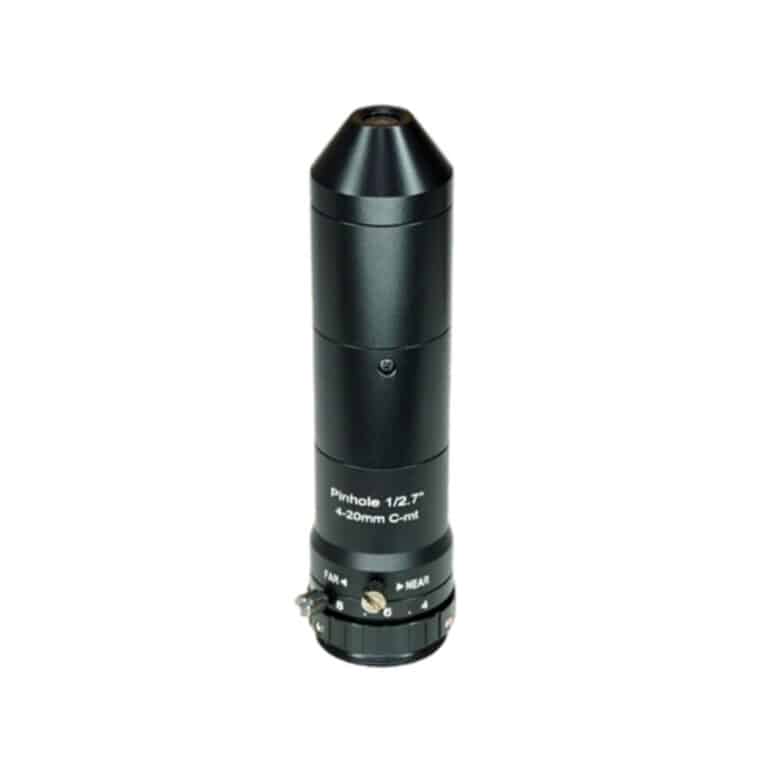

1″ Format 16mm F/1.4 10 Megapixel C-Mount Fixed Focal Length Lens
Review the product data sheet or request model-specific specifications.
SUPERIOR OPTICS / CATEGORY
CCTV lenses form an image on a security camera sensor and determine coverage, brightness, and usable detail. SUPERIOR supports lens selection for security camera OEM projects by reviewing sensor dimensions, mounting interface, scene distance, illumination, and day-night imaging requirements before recommending an assembly or discussing project-specific customization.
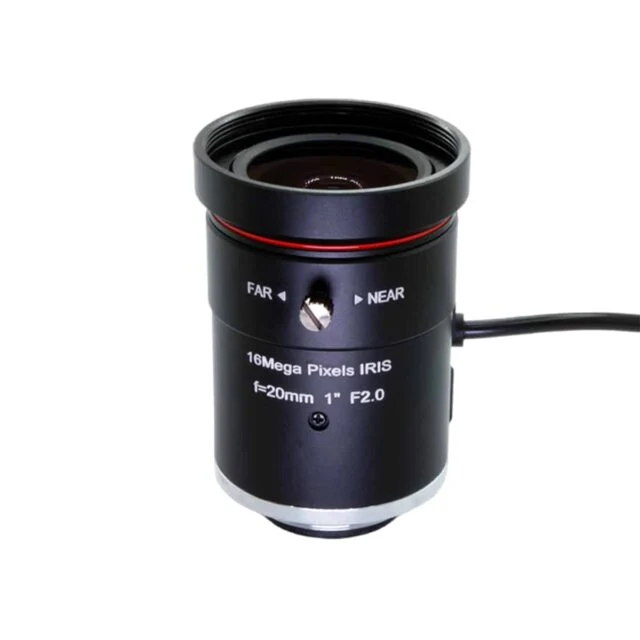
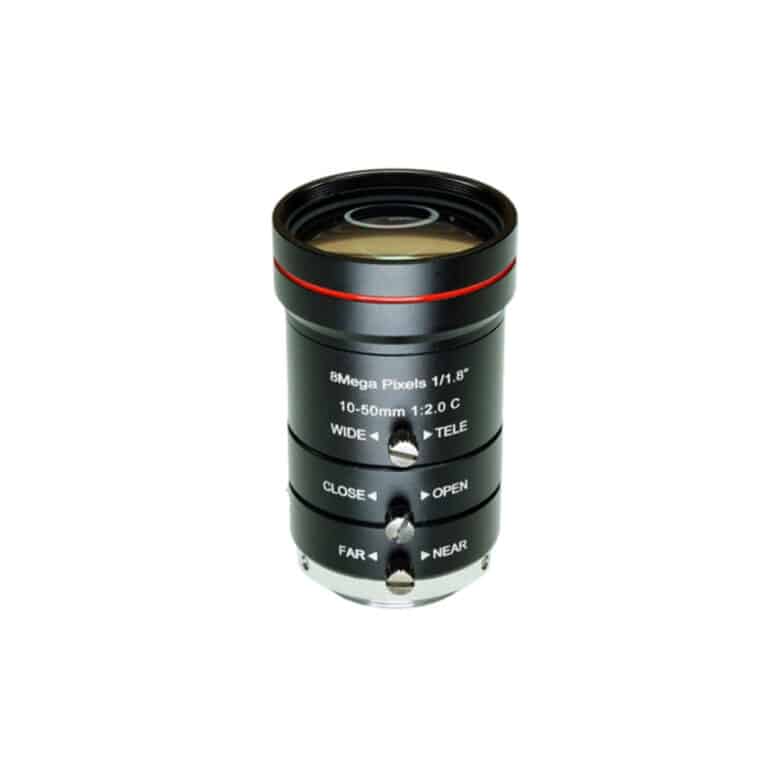
13 matching models
Review the product data sheet or request model-specific specifications.


Review the product data sheet or request model-specific specifications.

Review the product data sheet or request model-specific specifications.

Review the product data sheet or request model-specific specifications.

Review the product data sheet or request model-specific specifications.
Review the product data sheet or request model-specific specifications.
Use these illustrative inputs to prepare your lens selection brief. This checklist is not a model specification or an interactive product filter. Confirm all values against the selected model data sheet, or request engineering selection support.
| Parameter | Selection example / input | Verification required |
|---|---|---|
| Focal length | Example: 8 mm fixed focal length | Verify coverage on the actual sensor at the scene distance. |
| Sensor format | Example: 1/2.8-inch format | Use active dimensions, not the format name alone. |
| Mount | Example: C-mount or CS-mount | Confirm flange distance, back clearance and filter stack. |
| Aperture | Example: f/1.8 | Check low-light exposure, sharpness and depth of field. |
| Spectral condition | Example: visible plus 850 nm illumination | Confirm focus behavior with the intended IR-cut configuration. |
Compare CCTV lenses by focal length, sensor coverage and field of view. Match the required scene coverage and target detail to the camera position, installation distance and monitoring task.
Review lens performance under the intended visible and infrared illumination. For applicable models, assess IR correction and focus behavior together with the camera’s IR-cut filter configuration.
Select fixed or adjustable focal length and the appropriate focus and iris controls for the installation. Check control compatibility and adjustment access against the selected camera and enclosure.
Compare mounting interfaces, rear clearance and housing constraints before camera integration. Discuss sample quantities, approved specifications and any optical or mechanical changes required for your OEM project.
CCTV lenses evaluation should reflect the camera, scene coverage and visible or infrared operating conditions. Agree on optical performance, mechanical fit and focus-control requirements, and request relevant drawings, sample images and inspection records before approving the production configuration.
Review scene coverage, center and edge detail, distortion and low-light imaging with the intended camera. For day-night projects, evaluate focus behavior with the specified visible and IR illumination and filter configuration; do not assume every model is IR-corrected.
Verify the mount, stated back focal requirements, barrel dimensions and available installation space against the camera and approved drawing. Check rear clearance and any filter, housing or protective-window interference before assembly approval.
Check focus adjustment and retention in the intended camera assembly. For applicable models, evaluate zoom travel and iris operation, including the required control interface. Confirm day-night refocusing behavior and the agreed production focus-setting procedure.
Review appearance, model identification, approved specification revision and protective packaging against agreed requirements. Request applicable inspection records and batch identification; define any additional sampling, functional checks or shipment documentation for the project.
Request relevant drawings, test conditions and project-specific inspection evidence.
Camera specifications help define the imaging requirements for CCTV lenses selection. EMVA 1288 provides a framework for characterizing machine-vision sensors and cameras. Use the camera manufacturer’s published data alongside lens-specific checks for sensor coverage, chief ray angle and image quality.
Typical application directions for CCTV lenses selection and camera integration.
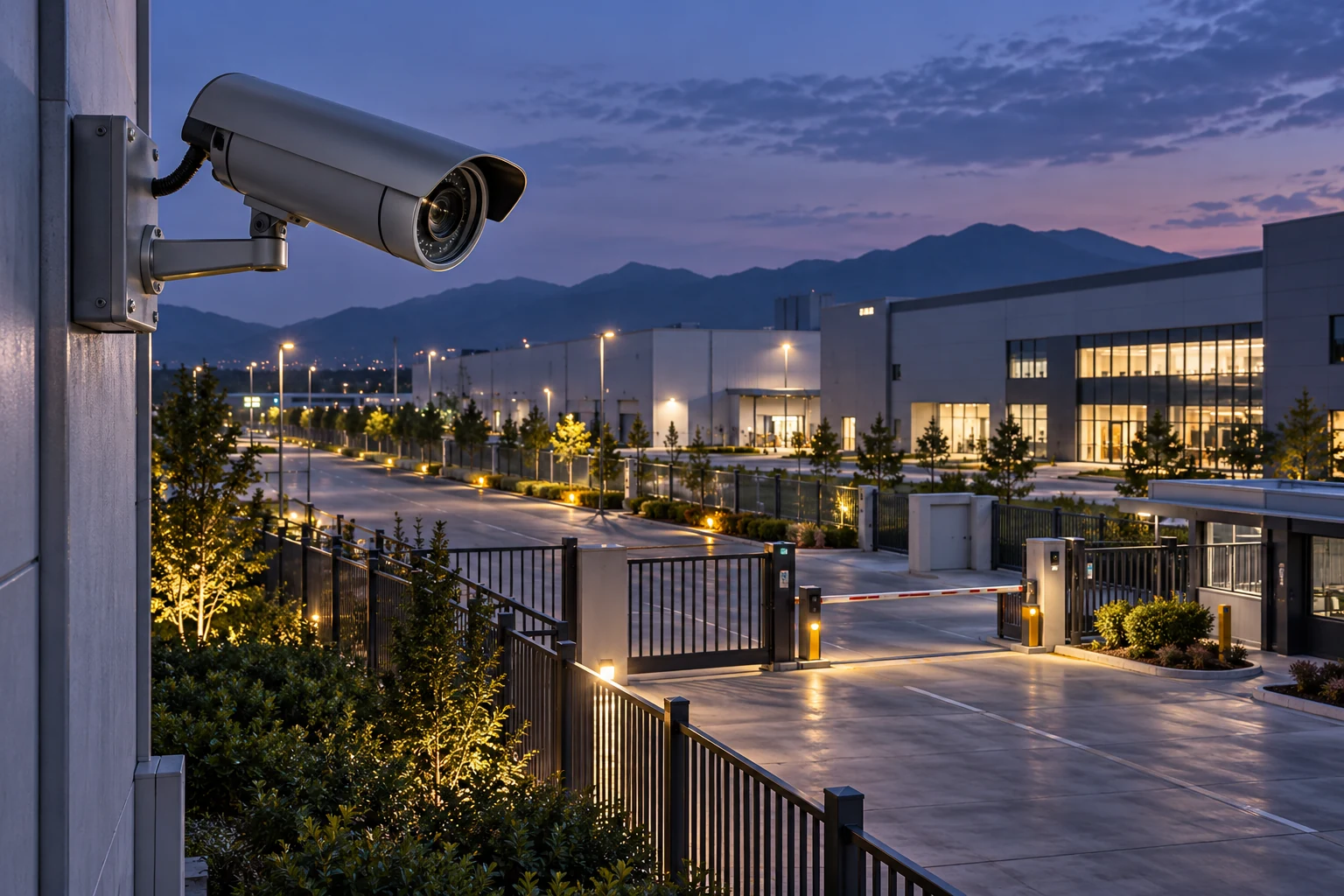
Define recognition distance, scene width and near-to-far coverage. Match sensor format, focal length and day-night focus behavior to the site illumination and monitoring task.
Discuss Surveillance Coverage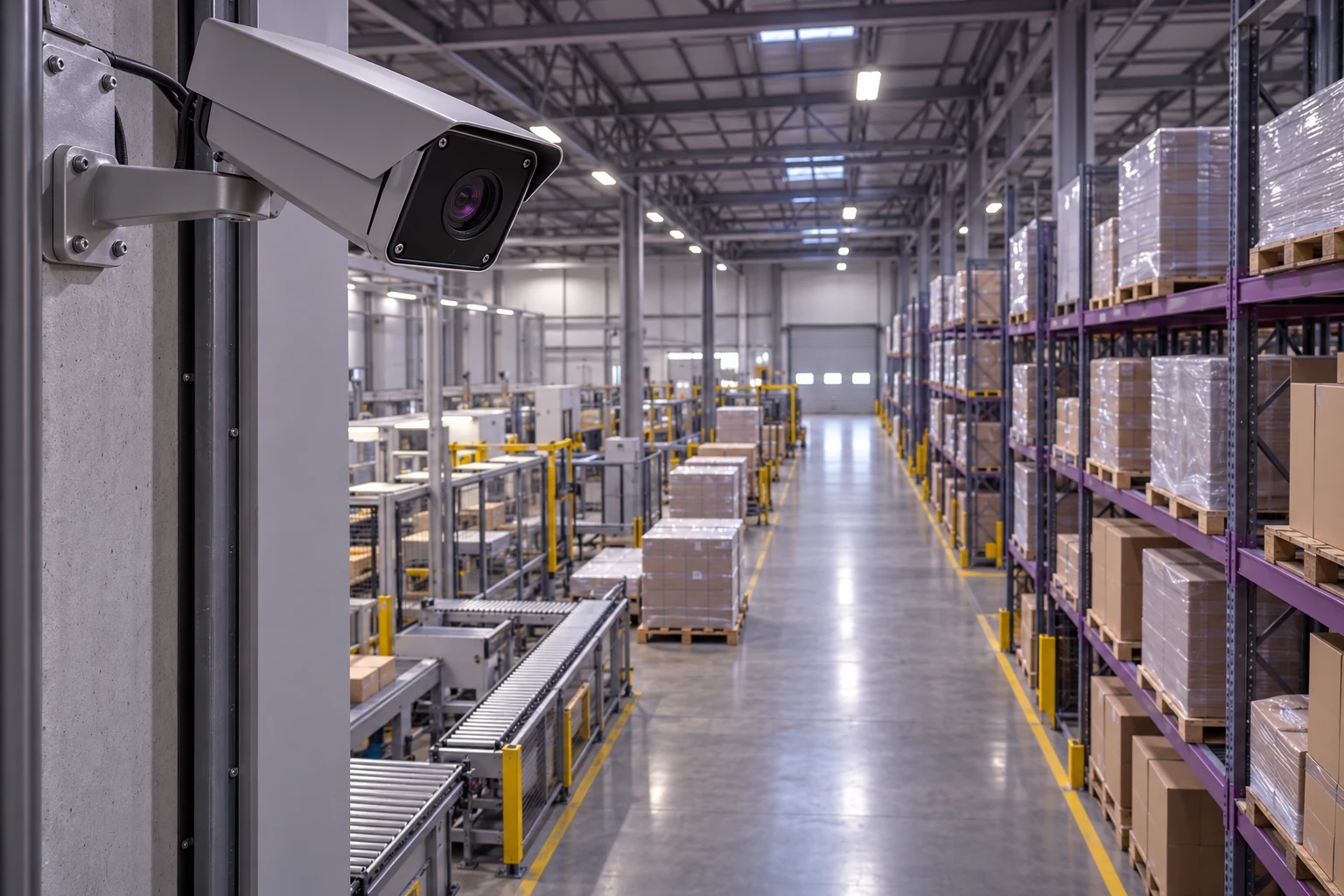
Review aisle coverage, exposure and mounting space for production or warehouse cameras. Compare field of view, vibration conditions and available light before evaluating the selected lens.
Discuss Warehouse Imaging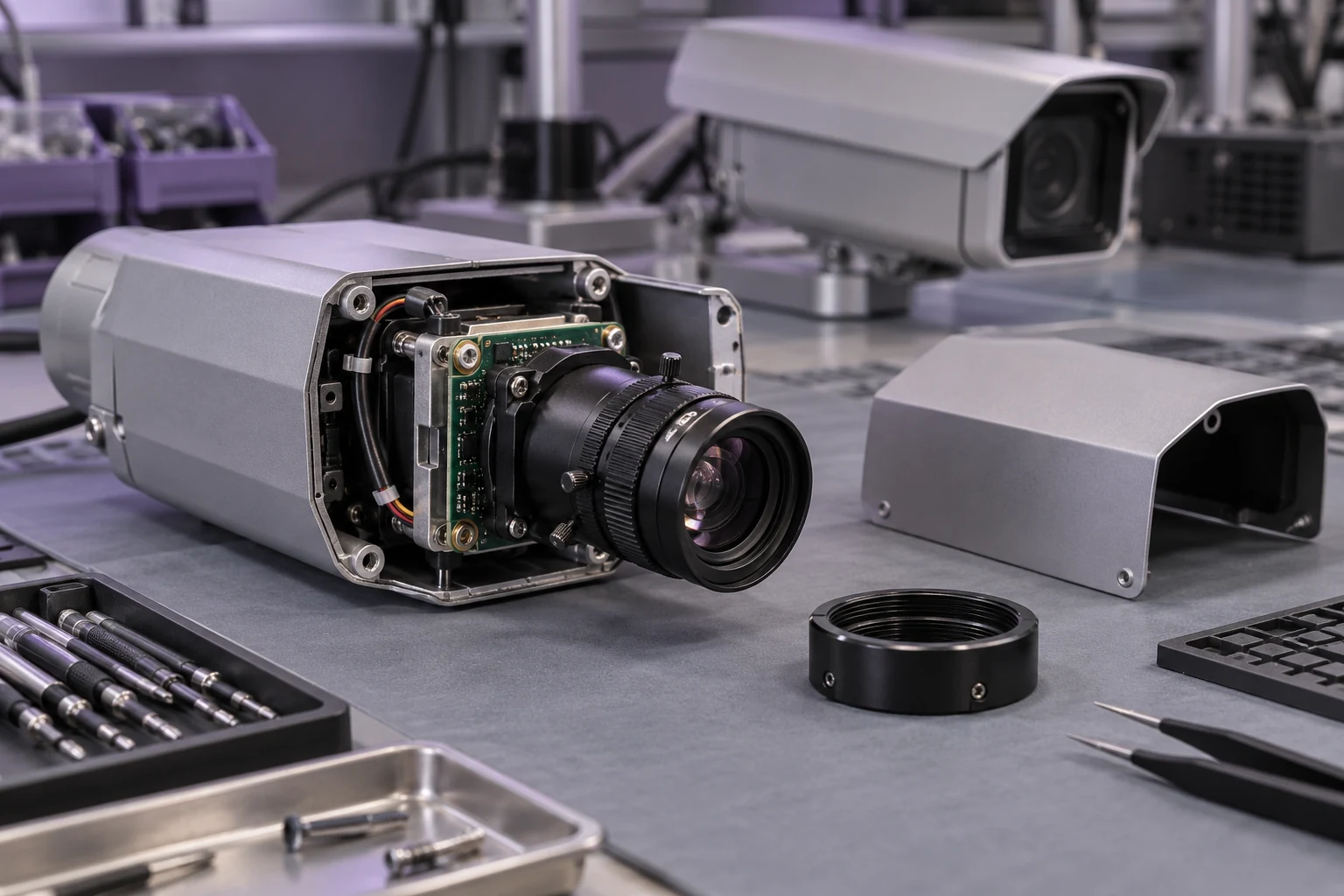
Match sensor format, mount and lens barrel clearance to your camera housing. Review IR filters, focus adjustment and retention before sample testing and production approval.
Discuss OEM IntegrationIllustrative application scenes.
Compare related lenses, review selection guidance or discuss a custom camera requirement.
Explore compact board lenses. Compare sensor coverage, focal length and working distance..
Browse M12 LensesReview field of view, sensor matching, day-night imaging and illumination before choosing a lens.
Read Selection GuidesDiscuss optical targets, mechanical interfaces, sample evaluation and production requirements.
Discuss OEM / ODMBUYER QUESTIONS
Answers to common selection and project questions.
They share a thread interface but use different flange focal distances. Compatibility depends on the camera and available spacing. Confirm the complete mechanical arrangement rather than assuming that a lens that threads in will focus correctly.
It may. Pixel size, image circle, aperture, and contrast at the required spatial frequency matter. Compare measured image quality on the intended camera, including the image corners and operating illumination.
Illumination spectrum and the position of an IR-cut filter can change the best-focus condition. Ask for an evaluation at the actual visible and infrared conditions instead of relying on an unspecified day-night label.
Submit the selected model, drawing changes, labeling needs, sample quantity, and forecast volume. SUPERIOR can review the request and confirm the feasible scope, validation requirements, and commercial terms in a quotation.
PROJECT INQUIRY
Specify your security camera project. Send the sensor model, required scene coverage, mounting interface, visible/IR conditions, and purchasing volume to request a CCTV lens recommendation and quotation.
Include a model number or the information currently available:
You do not need a complete optical specification to start. Send the information currently available, along with your delivery destination and preferred schedule.