


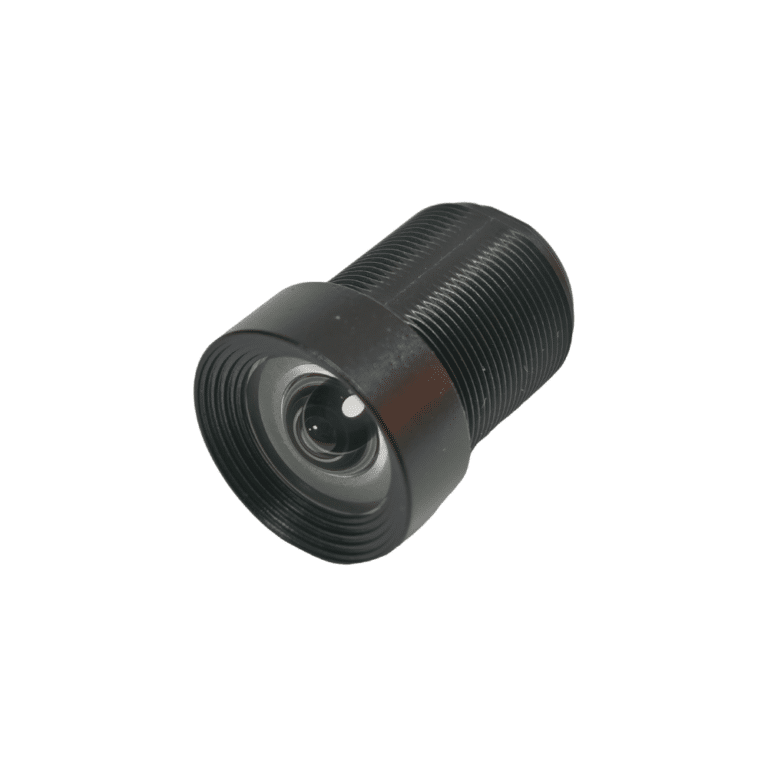
SPD2345B10MP
- Focal Length
- 4.55 mm
- Sensor Format
- 2/3"
- Mount
- M12
- Iris
- Fixed Iris
- Rated Resolution
- 10 MP
- F-Number
- f/4.5
SUPERIOR OPTICS / CATEGORY
M12 lenses are compact imaging assemblies commonly using an M12 x 0.5 thread, often called S-mount, for board cameras and embedded vision systems. SUPERIOR reviews sensor compatibility, field of view, chief ray angle, back clearance, and focus requirements to help buyers select a suitable model for evaluation and OEM integration.
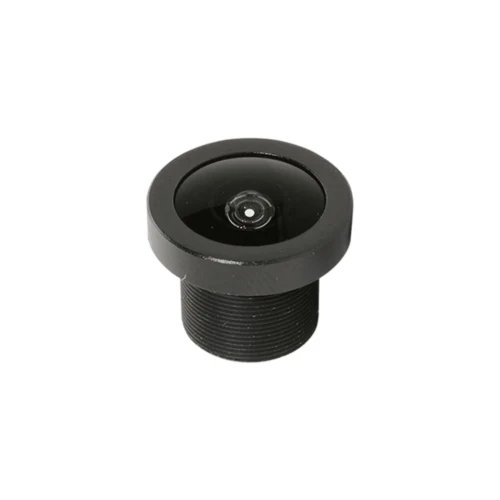
1 matching model
Use these illustrative inputs to prepare your lens selection brief. This checklist is not a model specification or an interactive product filter. Confirm all values against the selected model data sheet, or request engineering selection support.
| Parameter | Selection example / input | Verification required |
|---|---|---|
| Thread | Example: M12 x 0.5 | Confirm holder drawing, engagement and focus travel. |
| Sensor format | Example: 1/2.8-inch active sensor | Check image circle, corner quality and chief ray angle. |
| Focal length | Example: 4 mm | Calculate field of view from the actual sensor and projection. |
| Aperture and spectrum | Example: f/2.0; visible imaging | Evaluate illumination, filter stack and operating aperture. |
| Board clearance | Example: 3 mm rear-element clearance requirement | Check the mechanical drawing before installation. |
M12 mount lenses offer a compact integration option for board cameras and embedded devices. Compare barrel dimensions, holder engagement and rear clearance within your available installation space.
Compare available models by sensor coverage, focal length and projection. Review chief ray angle and corner image quality with your selected sensor before approving the camera configuration.
Evaluate lens performance using your actual pixel pitch, lighting and working distance. Compare center and corner detail, distortion and illumination against the requirements of your imaging task.
Discuss focus retention, filter configuration and mechanical requirements for your camera assembly. Confirm modification feasibility, sample acceptance criteria and the approved specification before volume purchasing.
A board-level assembly needs both optical and mechanical verification. Agree on focus setting conditions, holder engagement, image tilt checks, cosmetic acceptance, and any adhesive or locking process. Ask for assembly drawings and representative camera images. Temperature, vibration, and focus-retention claims should be supported by tests defined for the intended integration.
Evaluate center and corner image quality, distortion and relative illumination under defined sensor, lighting and working-distance conditions.
Verify thread dimensions, barrel geometry and critical clearances against the approved drawing for board-camera integration.
Check lens assembly, focus adjustment and image alignment. Confirm the agreed locking method and inspect focus after curing where applicable.
Review appearance, model identification and packaging against agreed requirements. Request applicable inspection records and approved specification revisions.
Request relevant drawings, test conditions and project-specific inspection evidence.
Camera specifications help define the imaging requirements for M12 lens selection. EMVA 1288 provides a framework for characterizing machine-vision sensors and cameras. Use the camera manufacturer’s published data alongside lens-specific checks for sensor coverage, chief ray angle and image quality.
Match compact lens geometry, sensor coverage and imaging requirements to your camera design.
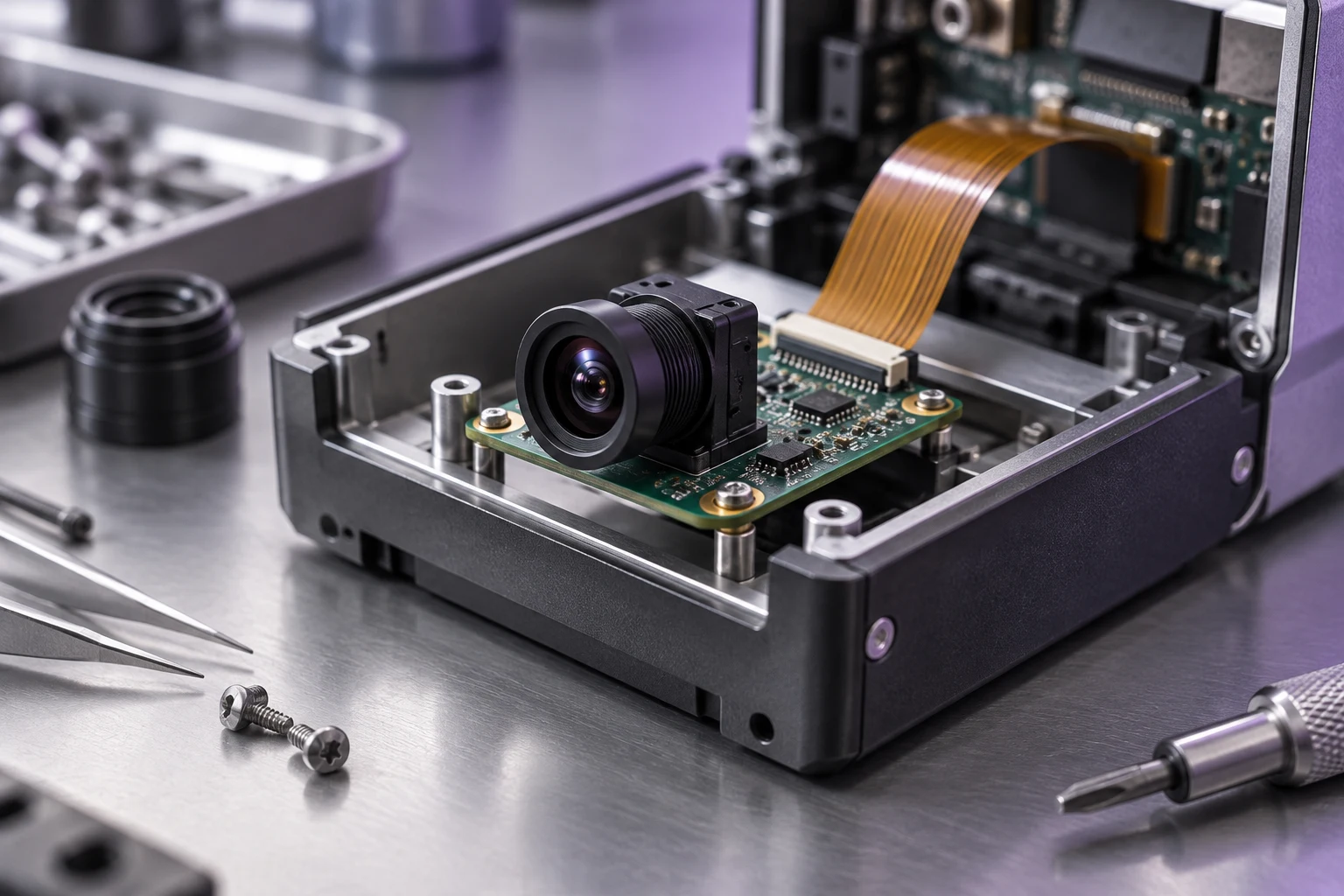
Integrate compact optics into board cameras and embedded devices. Review sensor coverage, chief ray angle, lens height and rear clearance, then verify focus adjustment and image quality within the housing.
Discuss Embedded Integration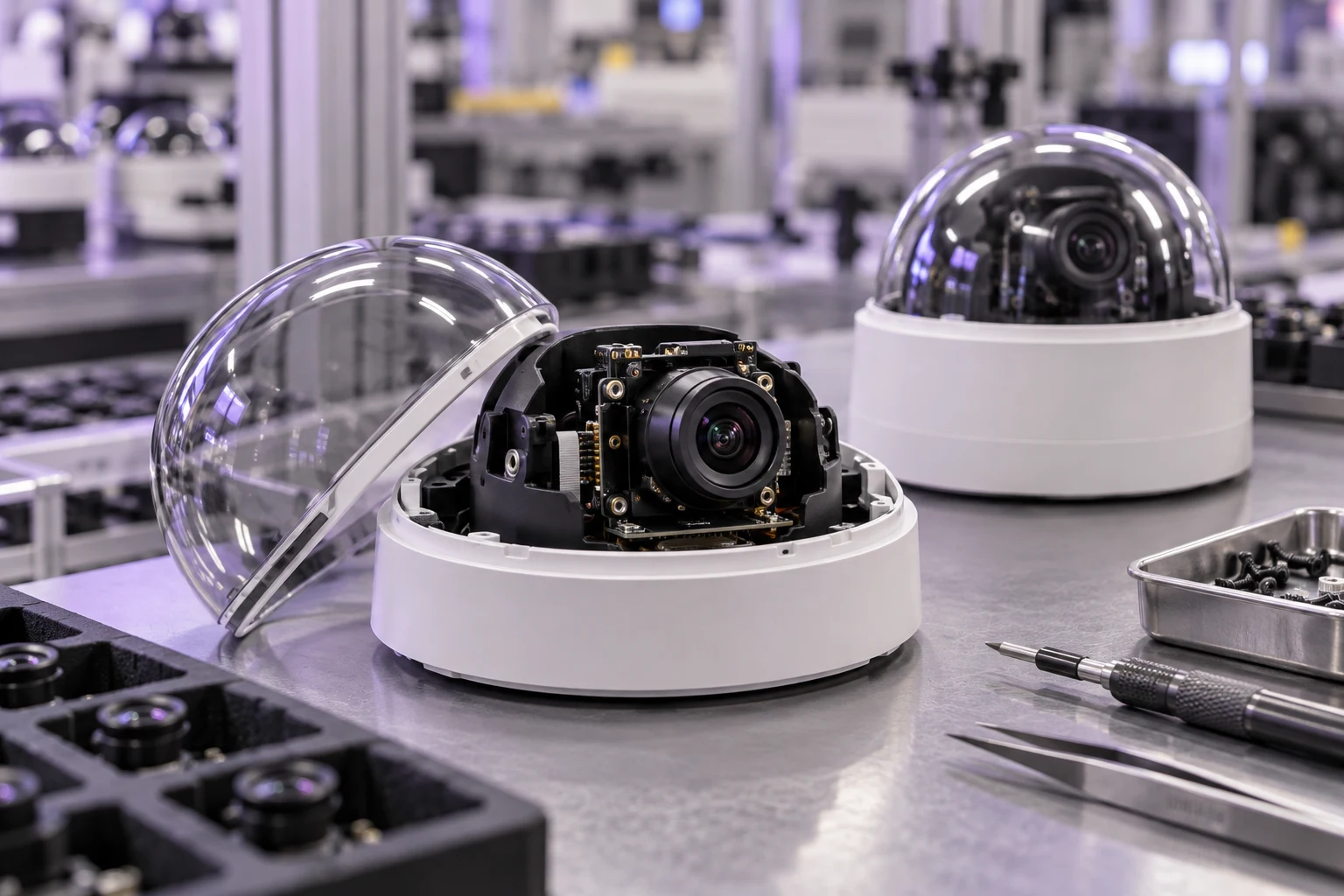
Plan scene coverage for compact surveillance and security cameras. Match field of view, sensor format and visible or IR operation; evaluate focus behavior and enclosure clearance with the intended filters and window.
Discuss Security Imaging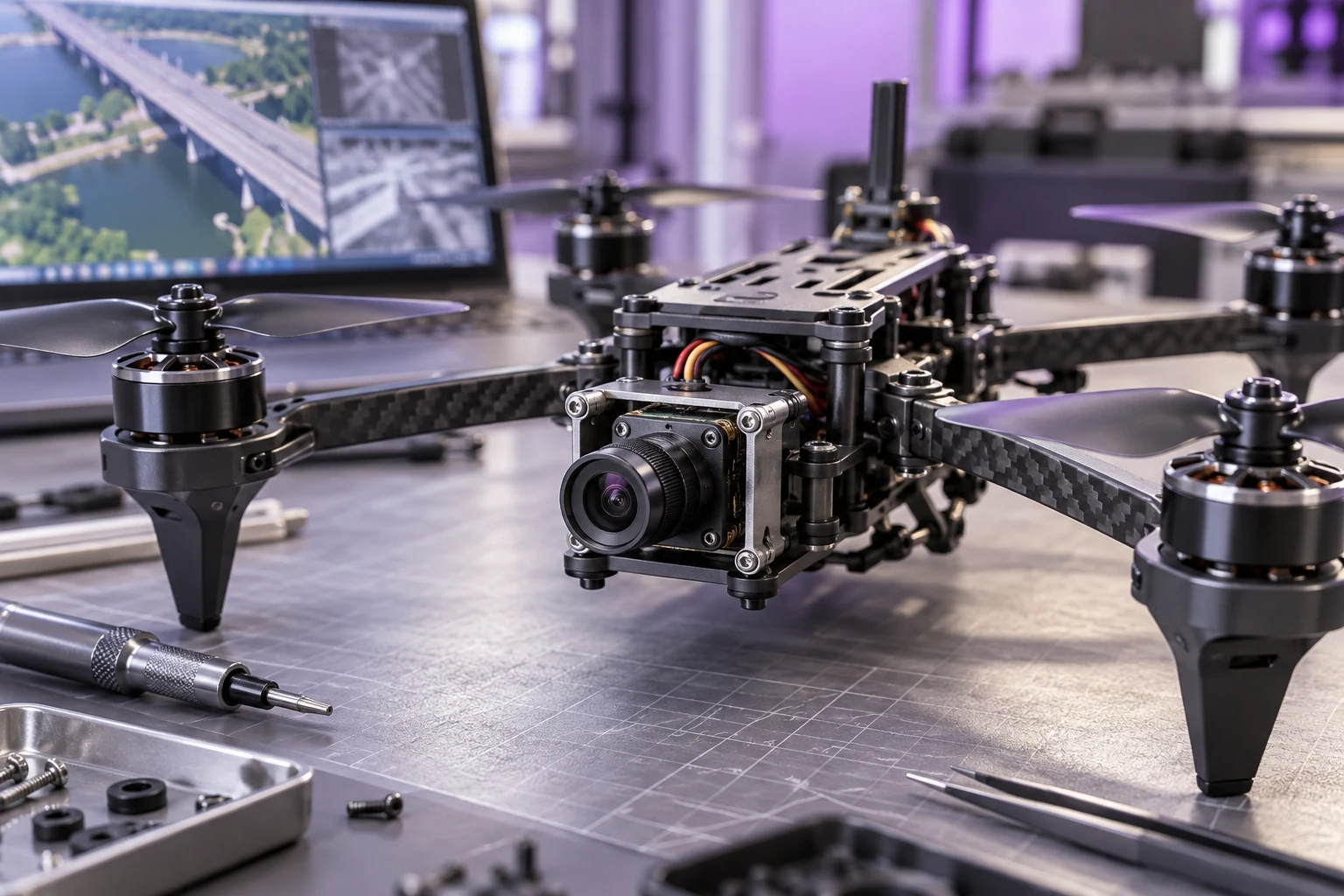
Review compact camera integration for civilian aerial inspection. Define field of view, image detail and weight limits, then evaluate vibration, temperature and focus retention under the planned flight and mounting conditions.
Discuss Aerial IntegrationIllustrative application scenes.
Compare related lenses, review selection guidance or discuss a custom camera requirement.
Explore wide-angle and fisheye optics. Compare field of view, projection and sensor coverage for compact panoramic camera designs.
Browse Fisheye LensesReview sensor size, chief ray angle, field of view and mechanical clearance before selecting an M12 lens.
Read Selection GuidesDiscuss optical targets, mechanical interfaces, sample evaluation and production requirements.
Discuss OEM / ODMBUYER QUESTIONS
Answers to common selection and project questions.
No. The thread is only part of the interface. Sensor position, rear-element clearance, holder length, available focus travel, filter thickness, and chief ray angle can prevent an otherwise matching thread from working properly.
Provide sensor dimensions, pixel pitch, image resolution, field of view, and acceptable corner quality. A 4K label alone does not describe the spatial frequencies or test conditions needed to assess optical performance.
Yes. M12 defines the mount while fisheye describes a wide-angle projection. Confirm whether the published field of view is horizontal, vertical, or diagonal and whether the image fills the sensor.
Select a retention method after testing the camera assembly and operating conditions. Thread engagement, adhesive compatibility, serviceability, temperature exposure, and the effect of curing on focus should be included in the approval plan.
PROJECT INQUIRY
Send your board camera drawing and sensor data. Include field of view, maximum lens height, wavelength, sample quantity, and volume forecast to request an M12 lenses shortlist and quotation.
Include a model number or the information currently available:
You do not need a complete optical specification to start. Send the information currently available, along with your delivery destination and preferred schedule.