
SUPERIOR OPTICS / CATALOG

Optical Lens Supplier for Camera OEMs and Industrial Buyers

An optical lens supplier helps camera builders and industrial buyers match imaging optics to sensor, field of view, working distance, and production requirements. SUPERIOR brings CCTV, M12, machine vision, line scan, telecentric, SWIR, pinhole, and fisheye lenses into one catalog, with engineering review available for projects requiring custom optics.

Explore Lens Families

CCTV Lenses

CCTV Lenses

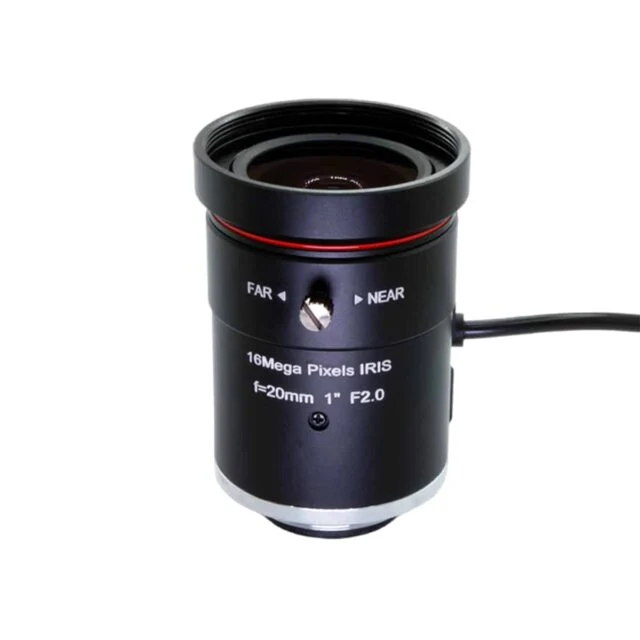
CCTV lenses form an image on a security camera sensor and determine coverage, brightness, and usable detail. SUPERIOR supports lens selection for security camera OEM projects by reviewing sensor dimensions, mounting interface, scene distance, illumination, and day-night imaging requirements before recommending an assembly or discussing project-specific customization.

Explore
M12 Lenses

M12 Lenses

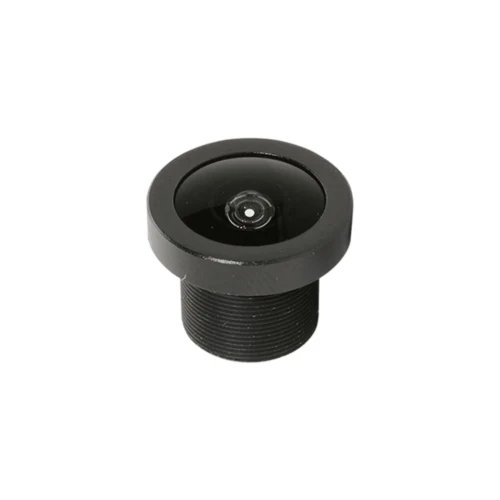
M12 lenses are compact imaging assemblies commonly using an M12 x 0.5 thread, often called S-mount, for board cameras and embedded vision systems. SUPERIOR reviews sensor compatibility, field of view, chief ray angle, back clearance, and focus requirements to help buyers select a suitable model for evaluation and OEM integration.

Explore
Machine Vision Lenses

Machine Vision Lenses

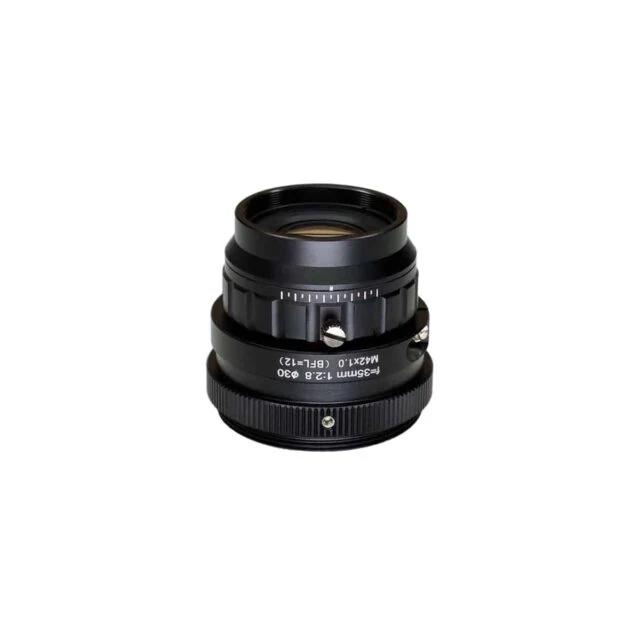
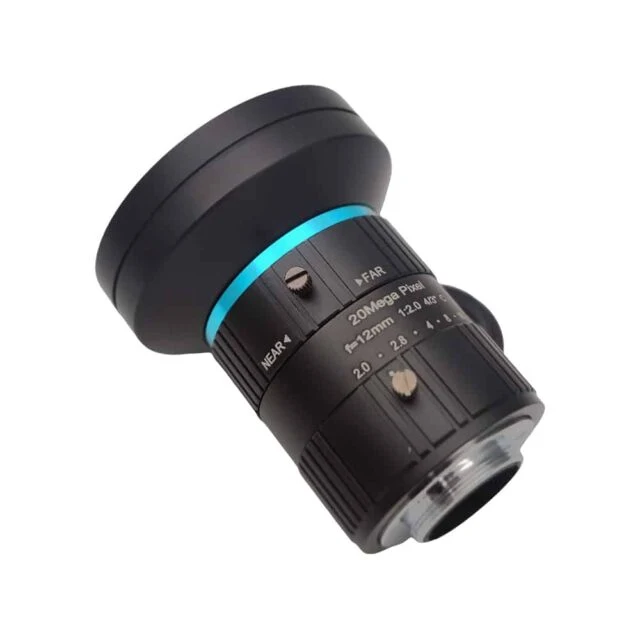
Machine vision lenses project an inspection scene onto an industrial camera sensor for tasks such as detection, identification, and measurement. SUPERIOR helps buyers evaluate image circle, pixel size, working distance, field of view, and MTF so lens selection follows the required inspection detail and integration conditions rather than resolution labels alone.

Explore
Line Scan Lenses

Line Scan Lenses

Line scan lenses image a narrow inspection line onto a linear camera sensor as material or the camera moves. SUPERIOR reviews sensor length, pixel pitch, magnification, image circle, and illumination requirements to help buyers select optics for web inspection and other continuous production tasks with demanding edge-to-edge image quality.

Explore
Telecentric Lenses

Telecentric Lenses

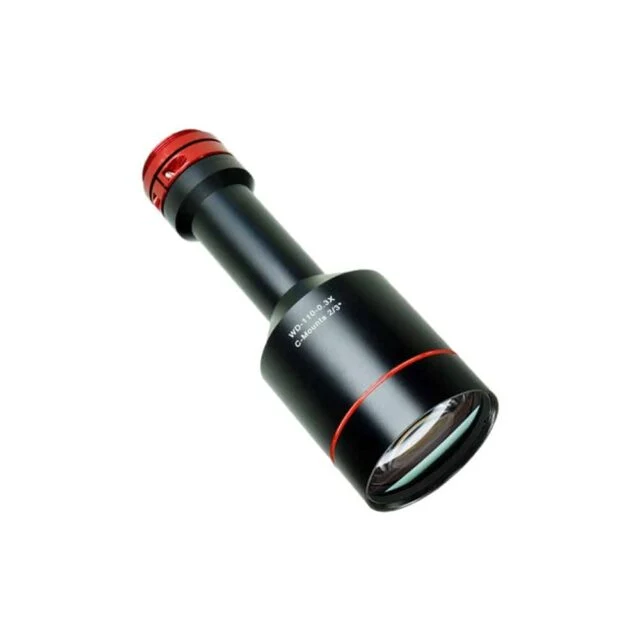
Telecentric lenses use a specialized optical geometry to reduce perspective-related image-size changes within a defined operating range. For measurement optics, SUPERIOR reviews field of view, magnification, working distance, sensor coverage, and object-space telecentricity requirements so buyers can evaluate a lens against the application geometry and the complete measurement error budget.

Explore
SWIR Lenses

SWIR Lenses

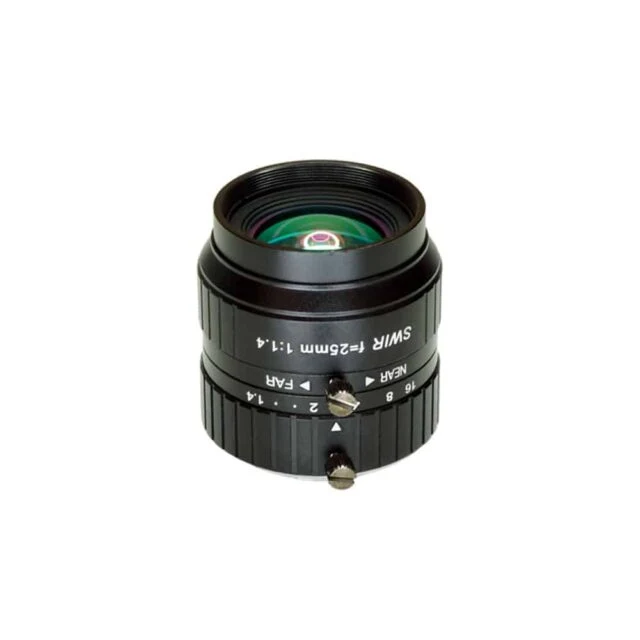
SWIR lenses focus short-wave infrared light onto a compatible sensor, with optical materials, correction, and coatings selected for a specified wavelength range. SUPERIOR reviews InGaAs sensor dimensions, pixel pitch, spectral transmission, working distance, and illumination so buyers can assess a lens for the intended inspection or camera integration task.

Explore
Pinhole Lenses

Pinhole Lenses

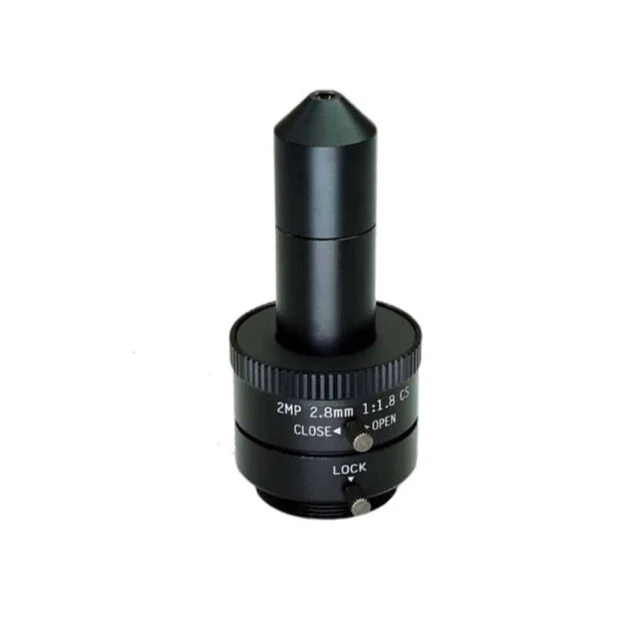
Pinhole lenses in this catalog are lens-based imaging assemblies with a small front opening for installations where the viewing aperture or available space is restricted. SUPERIOR reviews the lens barrel, camera interface, installation clearance, sensor, and illumination requirements to assess optical coverage and mechanical fit for the proposed camera arrangement.

Explore

Fisheye Lenses

Fisheye lenses use a wide-angle projection that maps a broad scene onto a camera sensor with intentional geometric distortion. SUPERIOR reviews sensor format, image circle, field-of-view definition, projection behavior, and mechanical constraints to help camera OEM buyers assess coverage, image quality, and any calibration or dewarping requirements before selecting a model.

Explore

Product Specifications and Selection Inputs

Examples illustrate a selection brief; they are not guaranteed specifications or a range offered by every SUPERIOR model. Confirm the selected model data sheet and quotation.

Product Specifications and Selection Inputs
ParameterSelection example / inputVerification required
Lens familyCCTV, M12, machine vision, line scan, telecentric, SWIR, pinhole, fisheyeChoose by imaging task; families can overlap.
Sensor and image circleExample: 11 mm sensor diagonal; lens image circle at least 11 mmVerify coverage, corners and pixel-level contrast.
Field of view and distanceExample: 100 mm horizontal field at 250 mm working distanceCalculate with actual sensor dimensions and lens model.
WavelengthVisible, near infrared, or a specified SWIR bandMatch transmission and focus to the illumination.
Procurement inputsSample quantity, annual volume, destination and scheduleConfirm model availability, MOQ and lead time by quotation.

Key Features and Advantages

  • Compare lens specifications using the same sensor, distance, aperture, and wavelength conditions.

  • Navigate by lens family while retaining links to related applications and engineering guidance.

  • Request an existing model review before commissioning a new optical design.

  • Bring technical and purchasing inputs into one inquiry for distributors, brand owners, and camera OEM teams.

Manufacturing and Quality Control

Evaluate optical lens suppliers using model drawings, test conditions, sample results, and production documentation. Ask SUPERIOR to identify the responsible manufacturing and inspection steps for the selected assembly. Before approval, agree on an inspection plan and request applicable certificate copies with issuer, scope, and validity dates; a general quality statement does not establish certified status.

    Request relevant drawings, test conditions and project-specific inspection evidence.

    Applications and Solutions

    • Security monitoring

      compare coverage, day-night focus behavior, and housing compatibility.

    • Industrial area-scan inspection

      specify field size, working distance, defect size, and illumination.

    • Continuous web inspection

      use line sensor length and magnification to define coverage.

    • Specialized imaging

      review SWIR wavelength, telecentric measurement, or wide-angle projection requirements.

    BUYER QUESTIONS

    Frequently Asked Questions

    Answers to common selection and project questions.

    How do I compare optical lens suppliers?

    Send each supplier the same sensor drawing, field of view, working distance, wavelength, and acceptance criteria. Compare documented performance under those conditions, then assess samples, commercial terms, and change control.

    Can one lens belong to several categories?

    Yes. M12 describes a mechanical interface, while fisheye describes imaging geometry. A lens can be both. Review its actual specification and avoid assuming that a category label guarantees application compatibility.

    What should I include in a wholesale lens inquiry?

    Include the model or imaging requirements, sample quantity, expected annual volume, target schedule, and delivery destination. Flag special labeling, packaging, inspection documentation, or distributor requirements before requesting a quotation.

    Should I choose a catalog or custom lens?

    Start with catalog models when their verified optical and mechanical properties meet the requirement. Consider customization when sensor coverage, packaging, wavelength, focus stability, or imaging performance cannot be met through a suitable existing assembly.

    Related Products and Engineering

    Custom Lens OEM and ODM Manufacturing

    Continue your product or engineering review.

    Explore

    Lens Selection and Engineering Knowledge

    Continue your product or engineering review.

    Explore

    Need a Custom Lens?

    Custom Lens OEM and ODM Manufacturing

    Define optical targets, mechanical interfaces and production requirements.

    Discuss Custom Optics

    PROJECT INQUIRY

    Request a Project Review and Quote

    Build a practical lens shortlist. Send your sensor model, imaging task, required field of view, sample quantity, and expected annual demand. Ask SUPERIOR for model recommendations and a project-specific quotation.

    Prepare Your Lens Inquiry

    Include a model number or the information currently available:

    • Application and sensor details
    • Field of view, working distance and wavelength
    • Sample quantity or expected annual volume
    • Delivery destination and preferred schedule
    Contact SUPERIOR

    You do not need a complete optical specification to start. Send the information currently available, along with your delivery destination and preferred schedule.