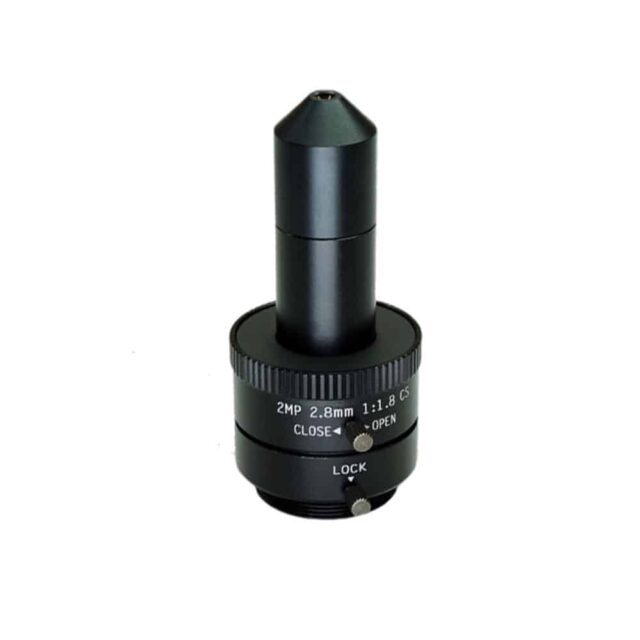
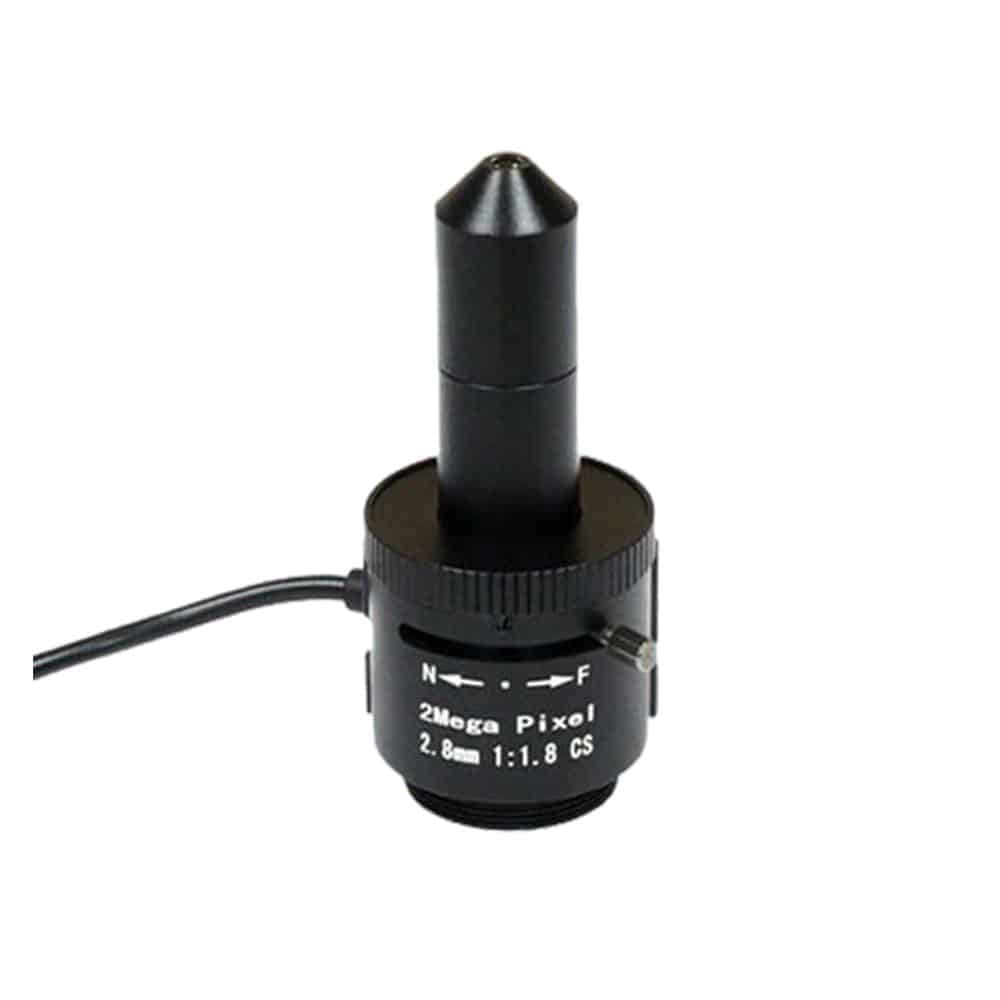
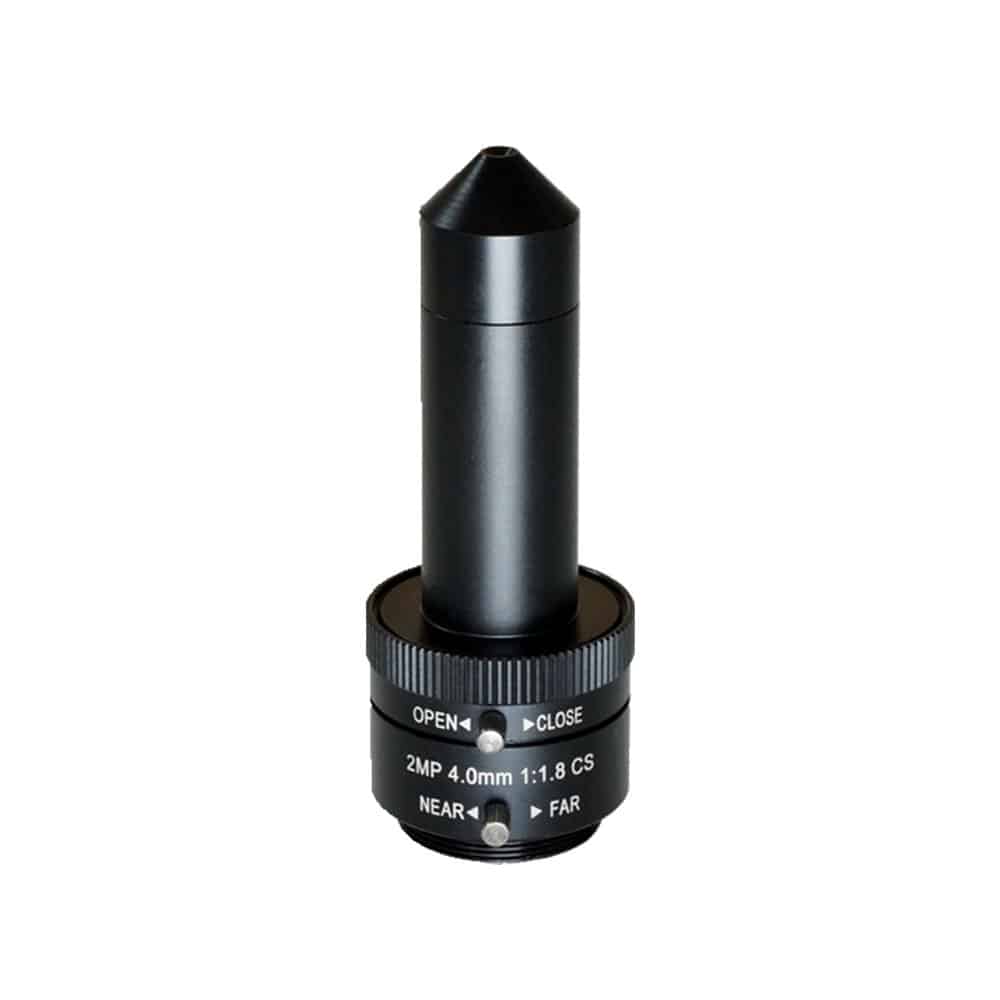
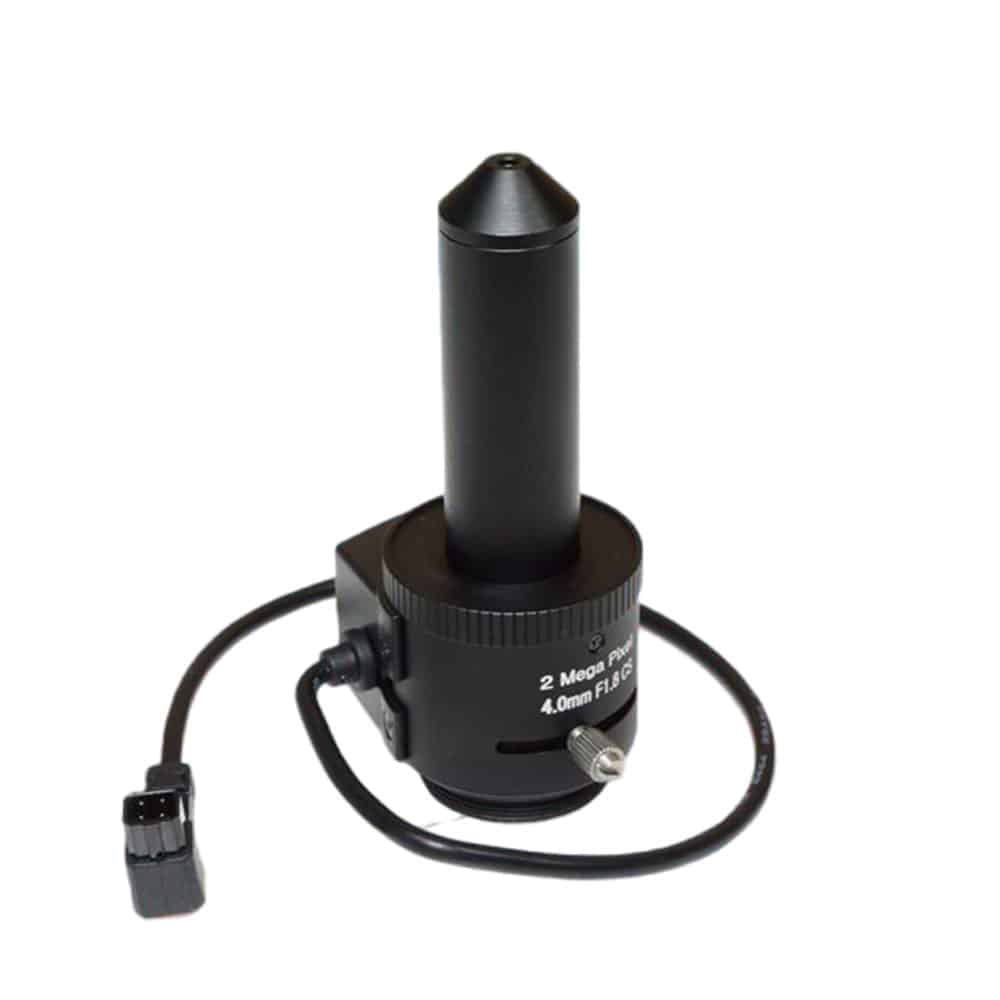
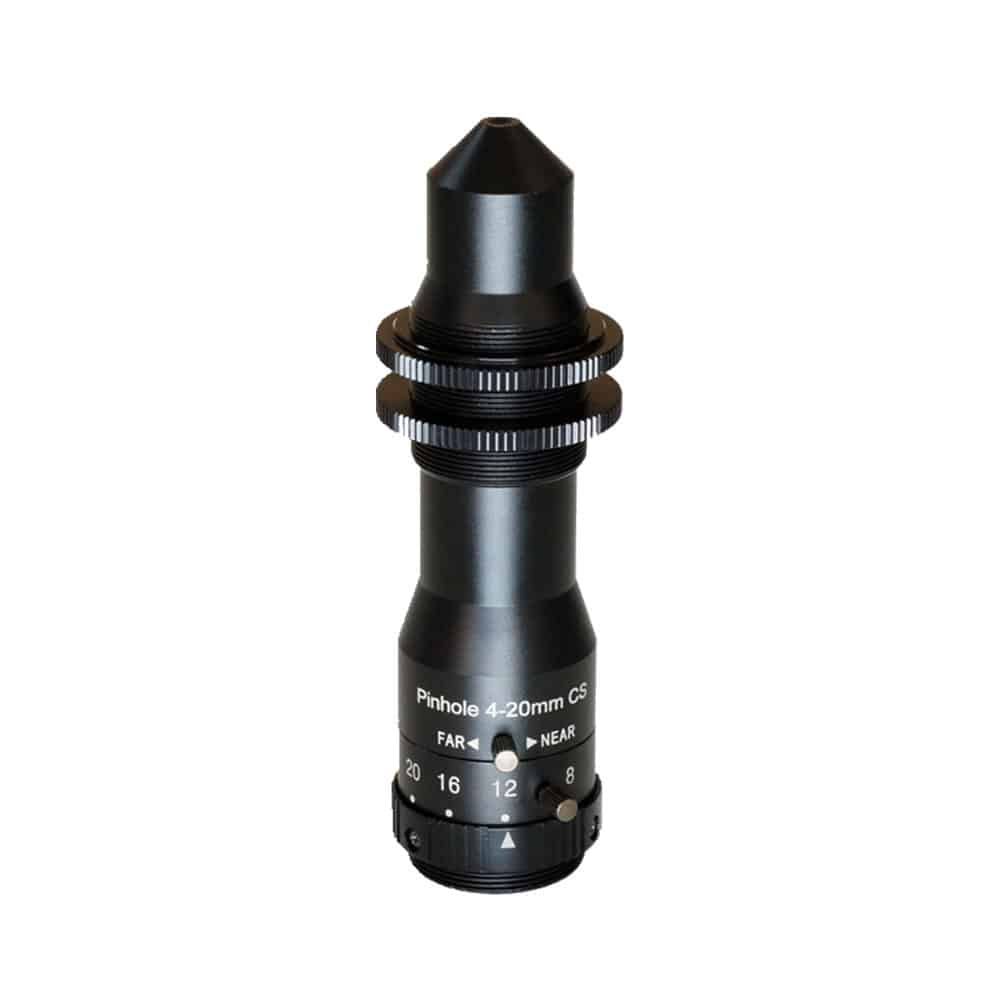
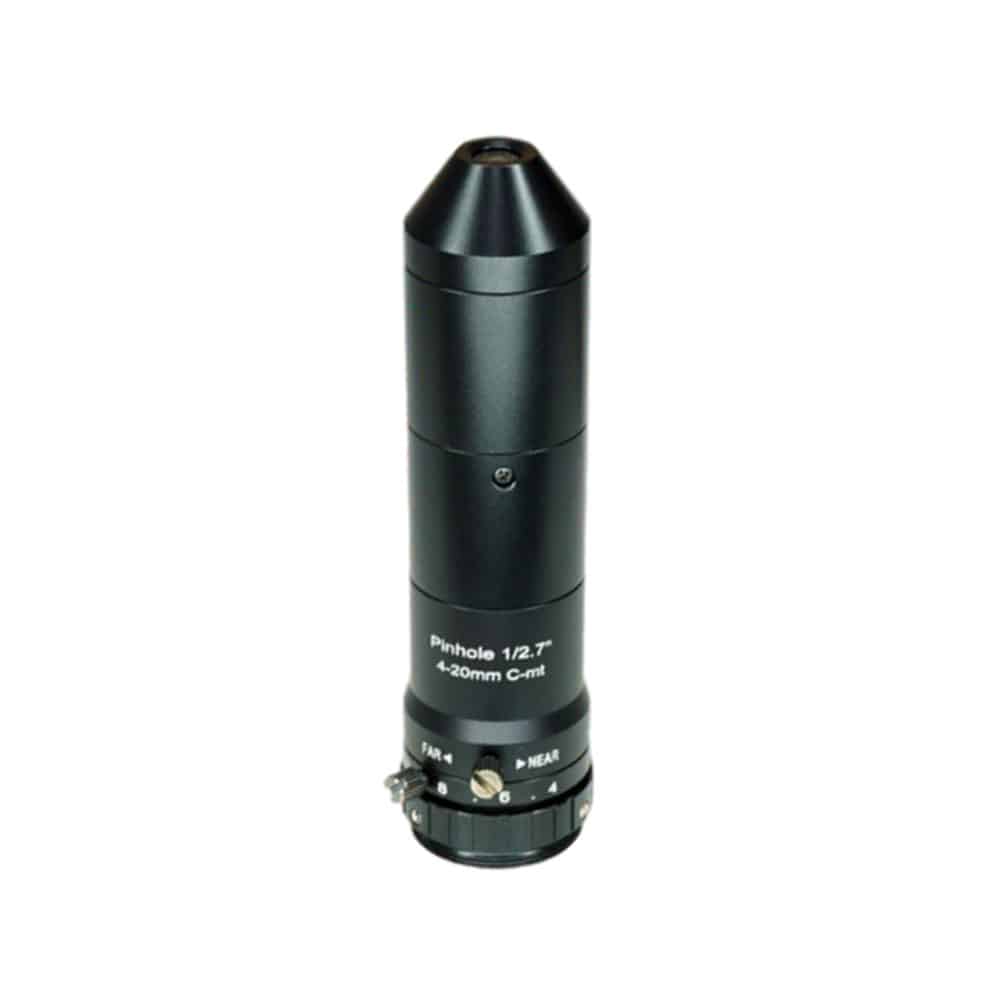
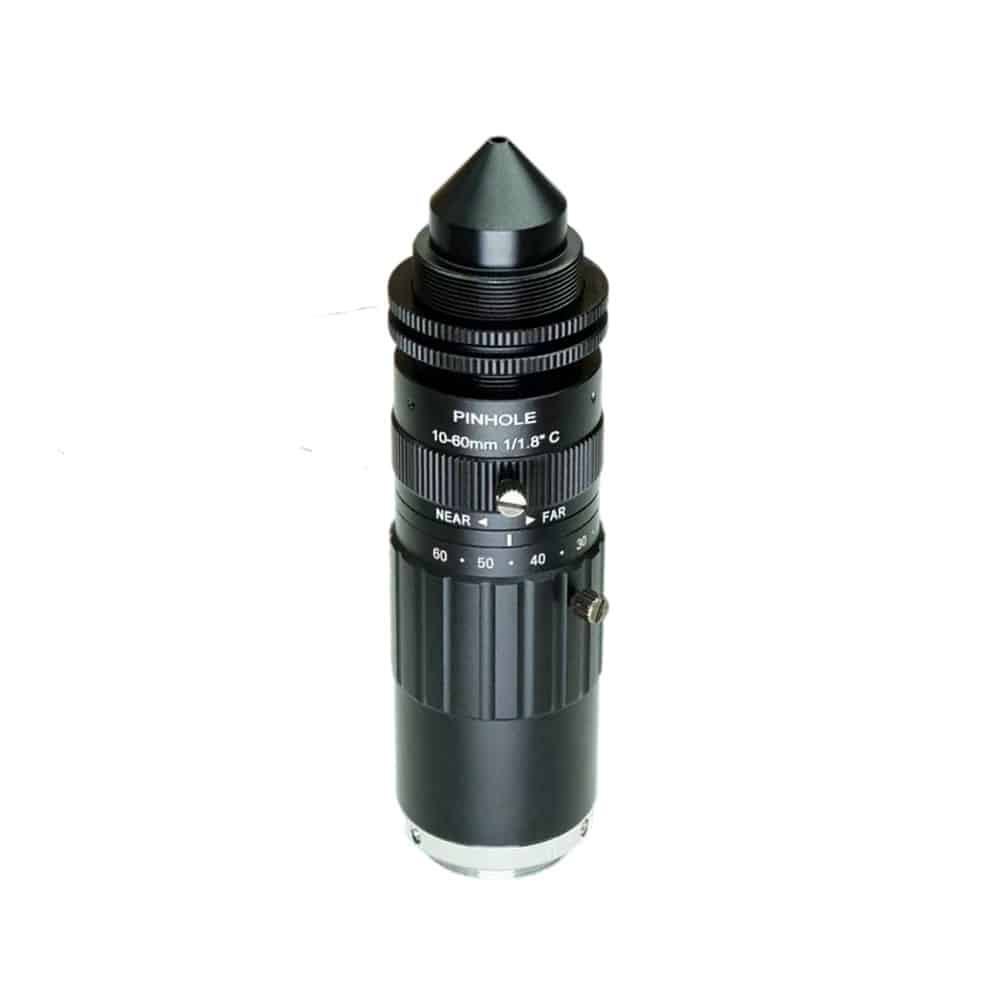
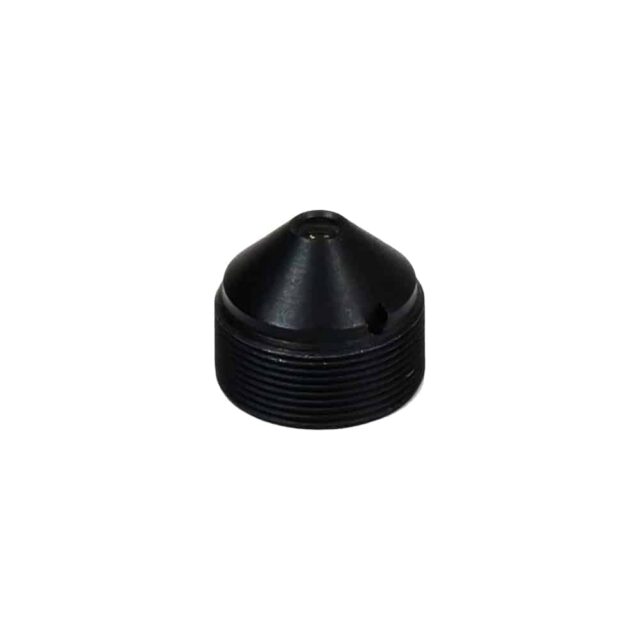
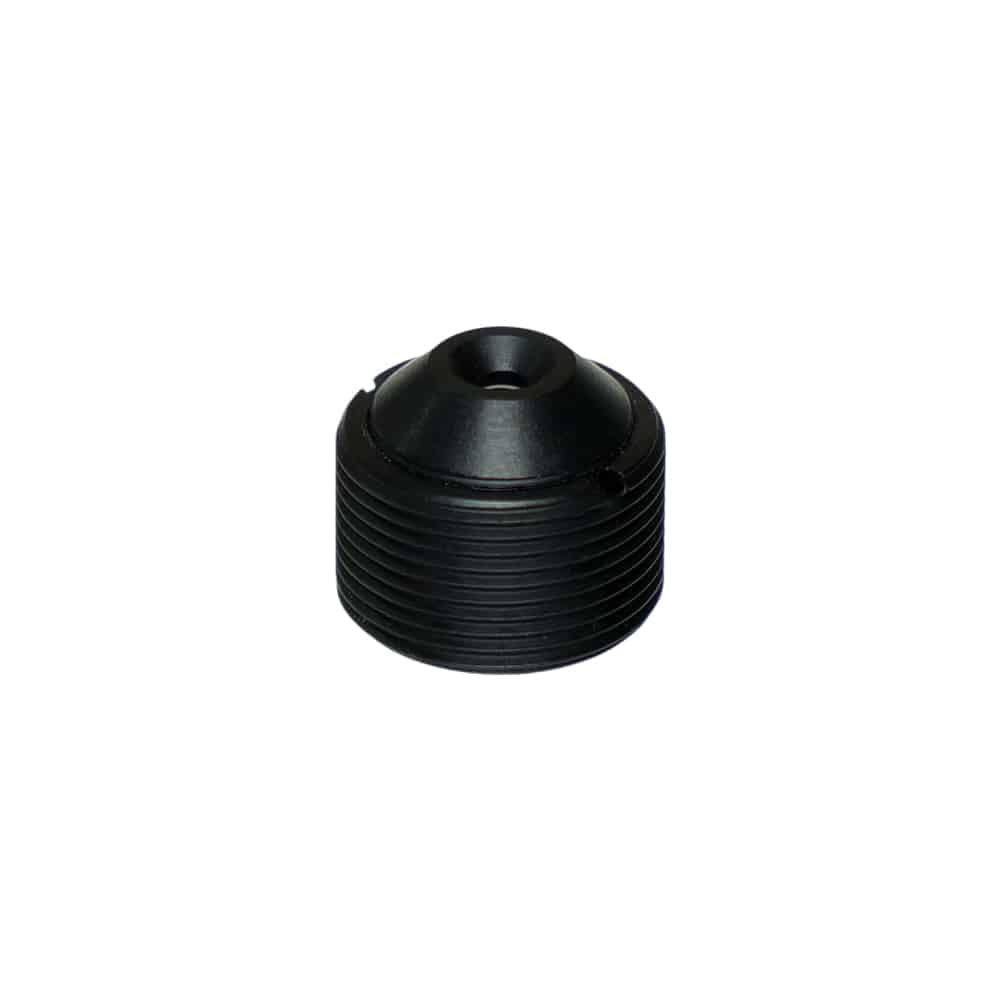
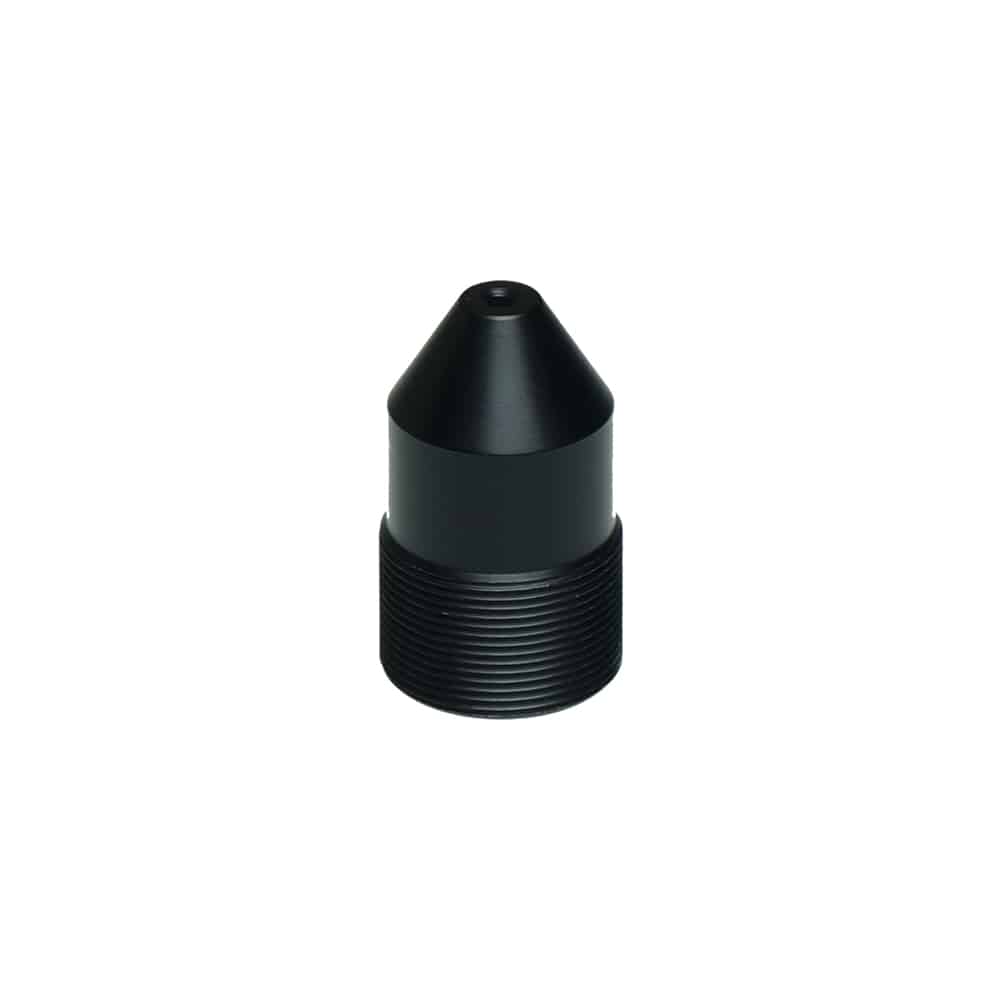
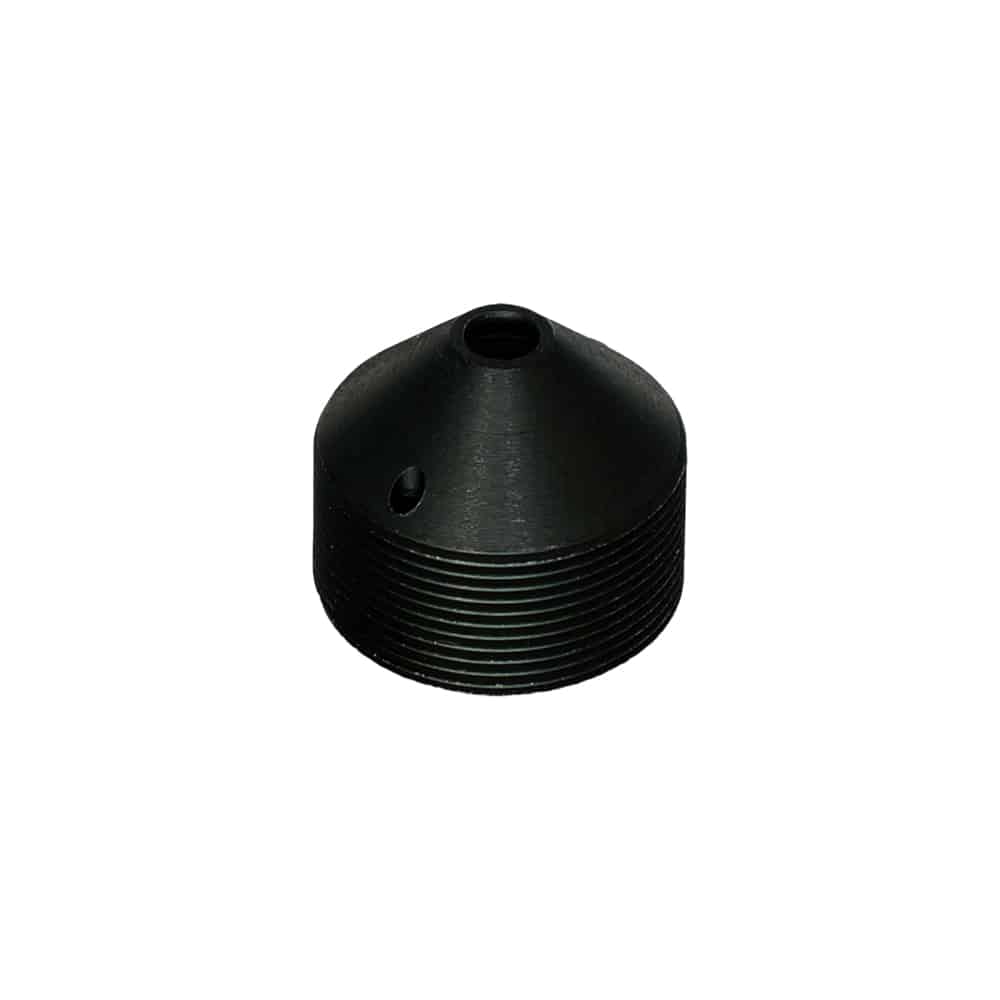
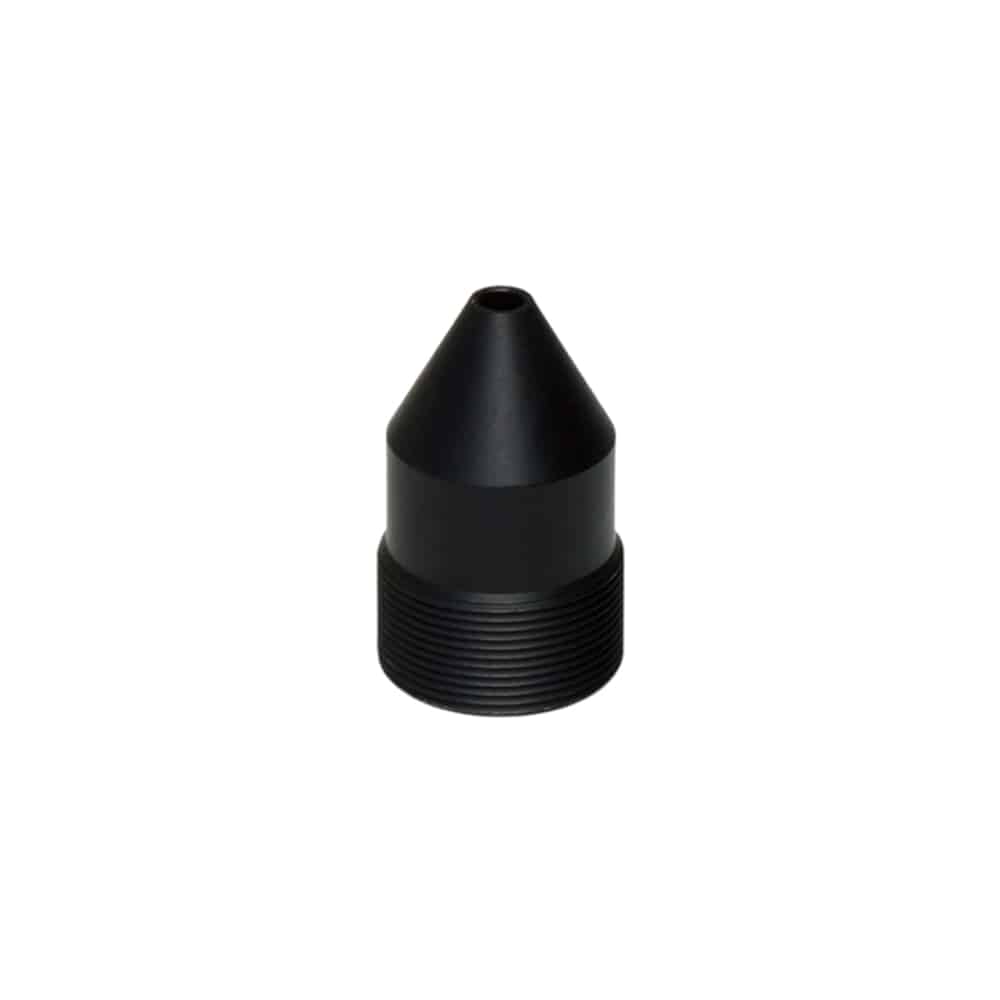
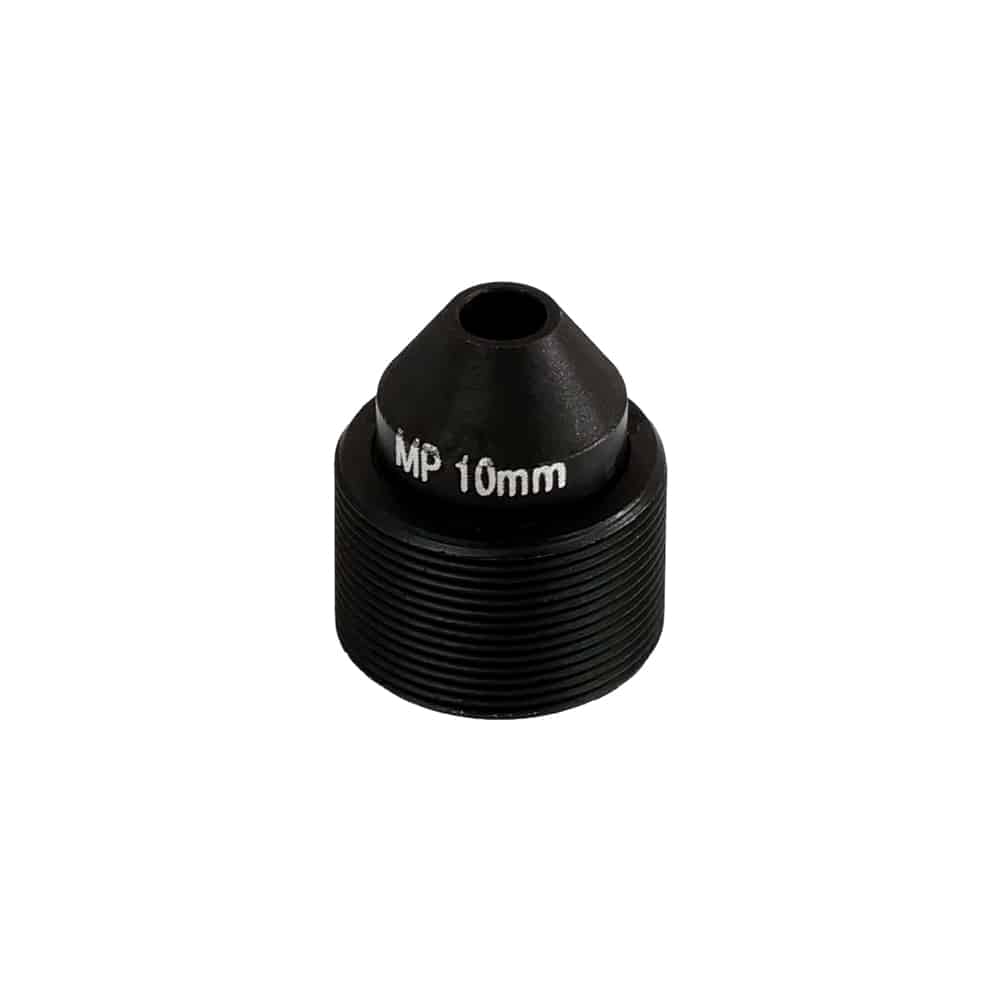
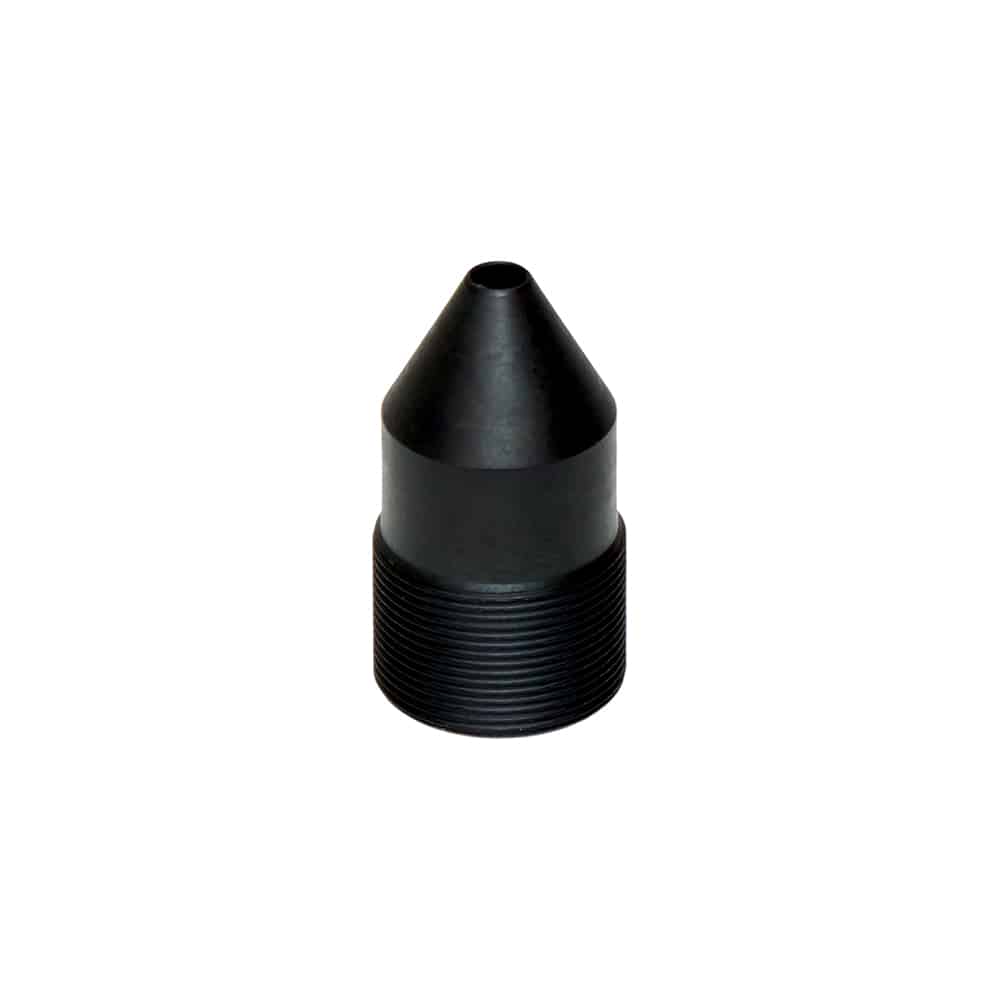
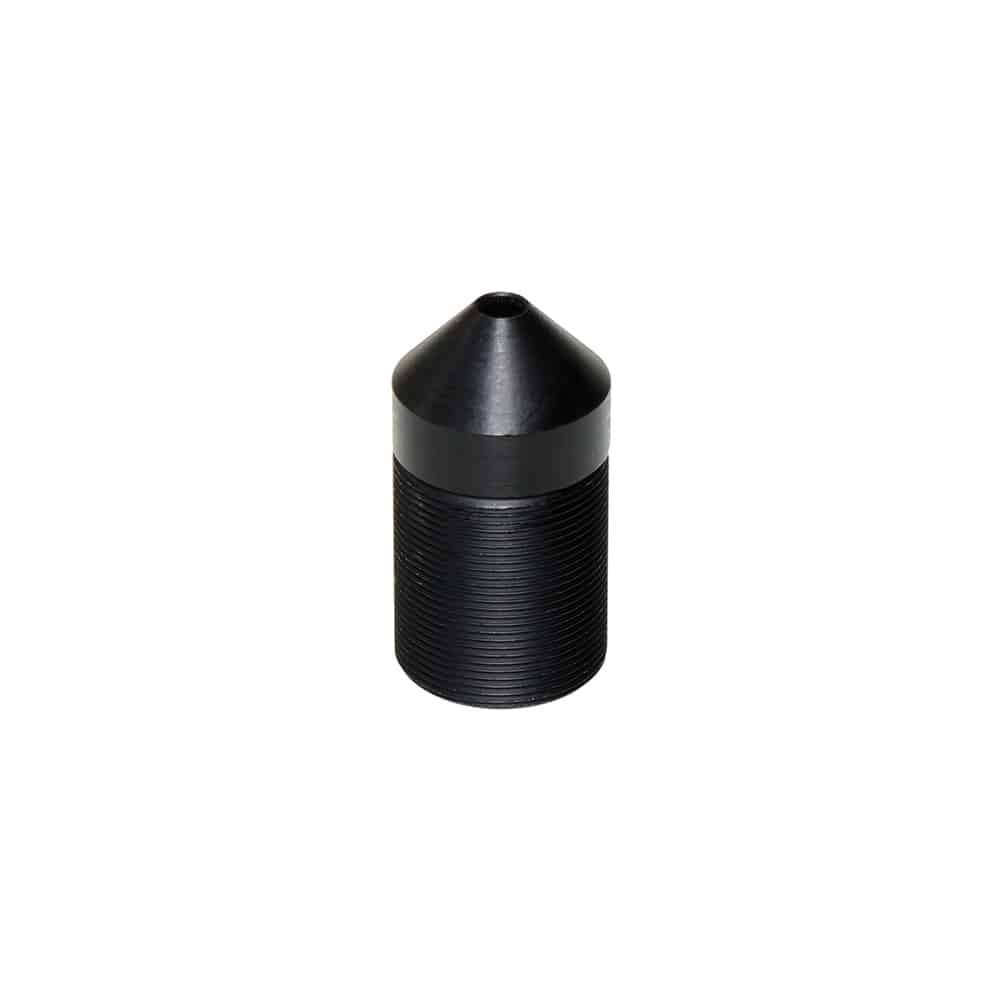
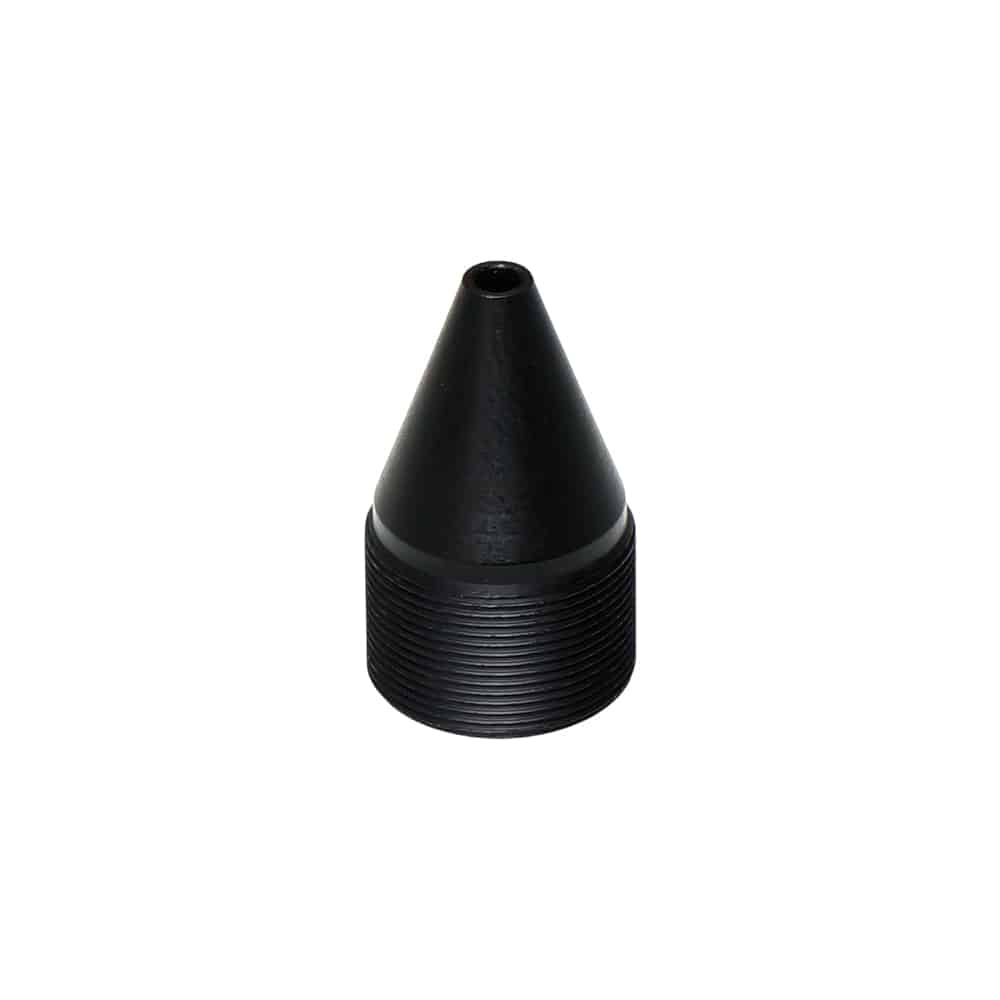
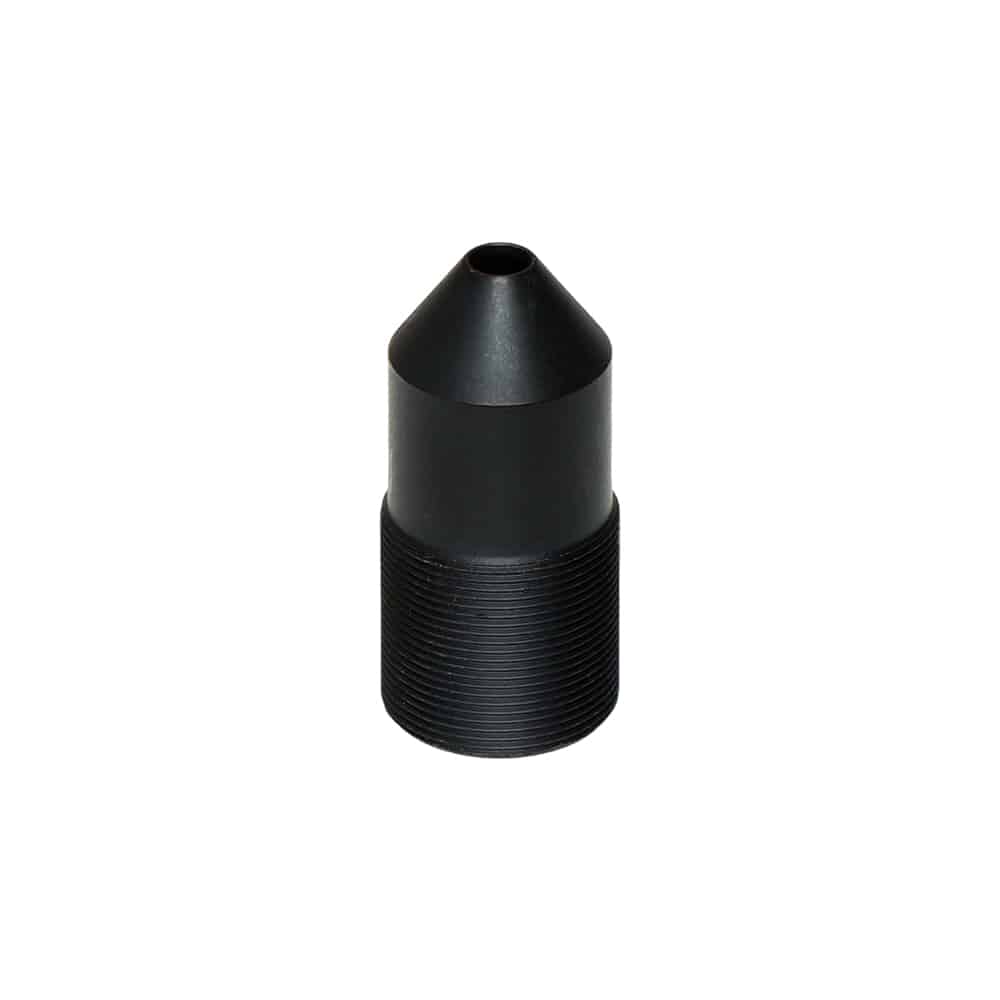
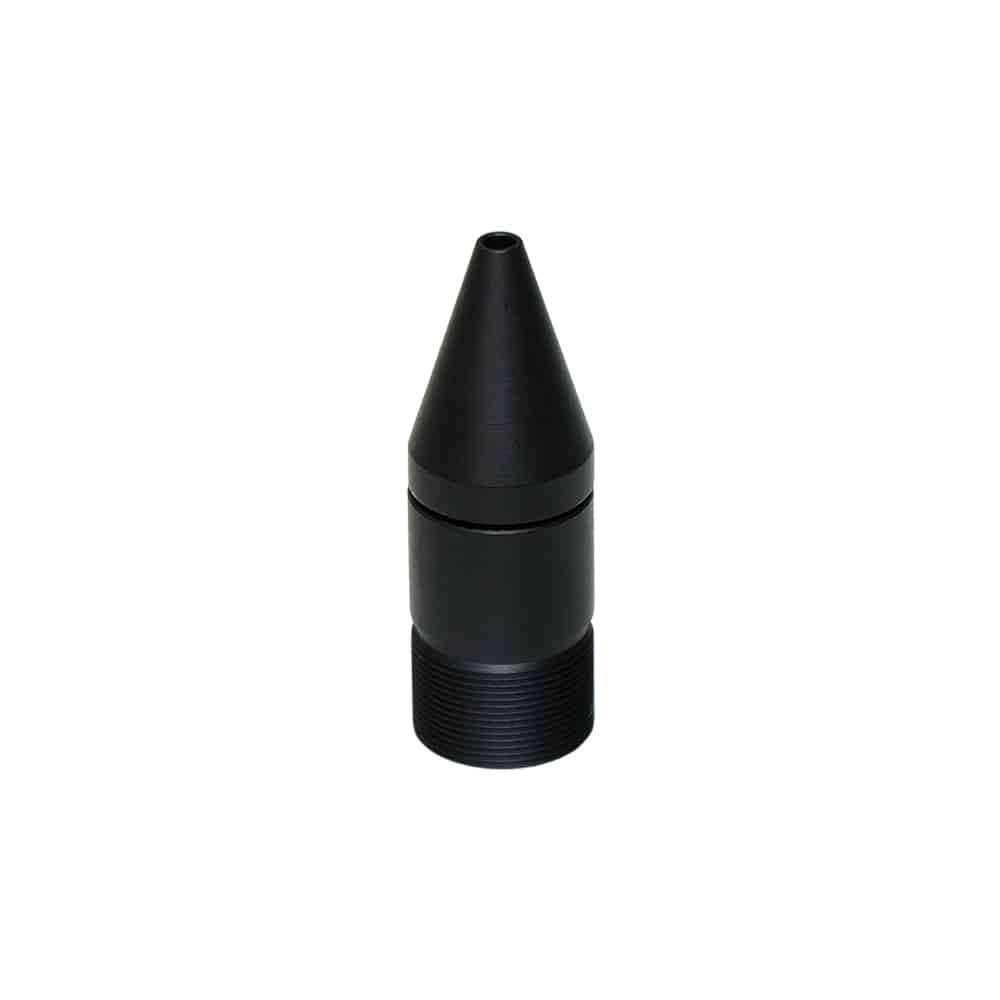
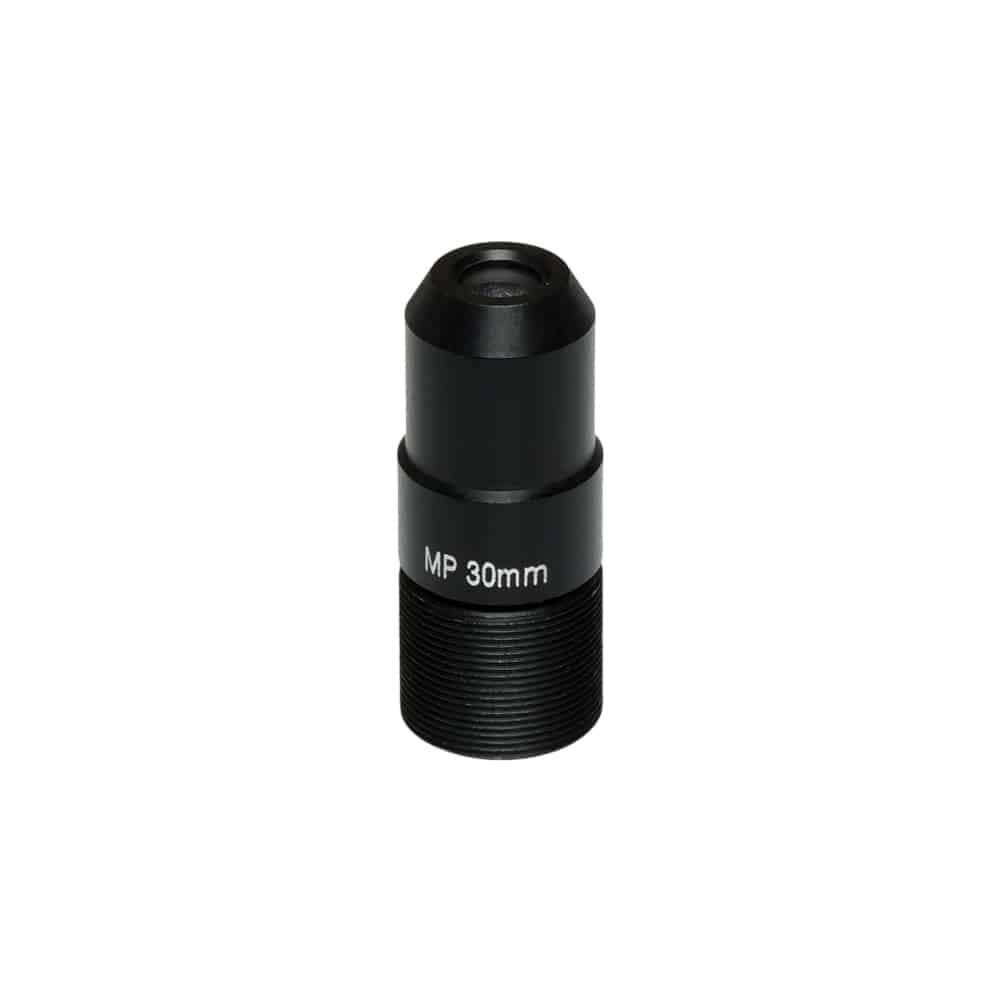
We all know that the blend of compact size and high optical performance is in high demand these days, especially in applications where space is limited, but clarity cannot be compromised. However, when it comes to compact security surveillance, M12 pinhole lenses are an ideal solution. A pinhole CCTV lens features a small form factor, making it easy to integrate into specialized imaging setups, compact devices, and surveillance systems.
Furthermore, providing optical efficiency is the greatest strength of a pinhole camera lens. Thus, its compact design is optimized to produce precise, focused imagery even in dim light. Likewise, the pinhole aperture of these dignified lenses significantly decreases unwanted distortion and glare, resulting in more natural, sharper output. The lightweight construction of M12 pinhole lenses helps prevent devices from becoming bulky, which is imperative for portable or discreet applications.
However, it has led to steady growth in M12 pinhole lenses across diverse sectors, including industrial and security monitoring. Moreover, in this comprehensive guide, we will discuss everything about the pinhole camera lens for a more secure system. Let’s get started with the blog.
What is the M12 Pinhole Lens?
A pinhole CCTV lens is a compact, screw-mount lens with a 12mm thread that features a tiny aperture (pinhole) for precise, focused security surveillance applications, such as doorways, jewelry shops, shopping malls, or ATMs. Furthermore, these M12 pinhole lenses provide a narrow FOV (field of view), a wide depth-of-field, and sharp focus, which is helpful for precise imaging in targeted areas while minimizing background distractions. Likewise, they are often called S-mount or board mount M12 lenses because they tighten directly into the M12 mount on a camera’s printed circuit board.
Key Features of M12 Pinhole Lenses
Here, we have listed some imperative features of pinhole lenses that every individual should know before opting for them:
- Compact Size
- Covert Design
- Deep Depth of Field
- Fixed Focal Length and Aperture
- Wide Field of View (Variable)
Pros
Check out the advantages of M12 lenses before planning to purchase them for better security surveillance:
- Easy Integration and Versatility
- No Geometric Distortion (Theoretical)
- Cost-Effectiveness
- Extremely Compact and Lightweight Design
- Highly Discreet/Covert Operation
Cons
Here are some significant drawbacks of M12 camera lenses that you must know:
- Poor Image Sharpness
- Very Long Exposure Times
- Low Resolution
- Poor Low-Light Performance
- Vignetting and Low Contrast
What is the Ultimate Sensor Size for the M12 Lens?
M12 pinhole lenses have a compact design, so their image circle is smaller than that of typical camera lenses. A typical M12 lens can support sensors ranging from 1/4-inch to 1-inch, depending on the specific model. However, not all M12 lenses are compatible with 1-inch sensors. Additionally, many lenses are optimized for only 1/2.3-inch, 1/2-inch, or 1/1.8-inch sensors. The larger the sensor, the larger the lens must produce an image circle, which not every lens can do.
Nonetheless, if you are choosing an M12 lens, you should always check the lens’s specification sheet. Therefore, the “supported sensor size” or “image circle diameter” is clearly mentioned. If you use a lens with a larger sensor with a smaller sensor, there will be no issue. If you use a small-image-circle lens on a large-sensor camera, you will notice black shading in the corners.
Factors to Consider When Choosing M12 Pinhole Lenses
The resourcefulness of M12 lenses is key to their use across a wide range of applications across different industries. Furthermore, understanding the multiple types of M12 lenses and their significant features can help you choose the best pinhole CCTV lens for a specific application. Likewise, we have listed some common types of M12 lenses and their key features that you must know before choosing the right one:
1. It is Essential to Focus on Focal Length (FL)
Focal length is one of the most essential specifications for M12 pinhole lenses, as it directly determines the framing of your image. Thus, short focal lengths (like 2.8mm or 3.6mm) provide a wide-angle view. Additionally, these are used for surveillance, robotics navigation, and wide-area coverage. If you need to capture distant objects clearly, choose a higher-focal-length pinhole camera lens, such as 8mm, 12mm, or 16mm. The key is that the focal length determines the balance of both distance and scene width for your application.
2. Ensure to Check the Field of View
The FOV determines the area the pinhole camera lens covers in a single shot. It is related to the focal length, but also depends on the sensor size. Moreover, the advantage of a wide FOV is that you can capture more area, while the distortion may increase slightly. At the same time, a limited FOV delivers detailed, close-up, and focused imagery. If your application involves tasks such as object tracking or room monitoring, a wide FOV pinhole CCTV lens will be helpful.
3. It Should Offer Sensor Compatibility
M12 pinhole lenses come with different sensor sizes: 1/4, 1/3, 1/2.3, 1/2.8, 1/1.8, etc. Furthermore, you must ensure that the lens’s image circle adequately covers your sensor. If the sensor is larger than the pinhole camera lens, the image may be captured (corners appear dark). If the sensor is smaller, you may lose some part of the FOV. Therefore, it is vital to ensure the lens and sensor are perfectly paired.
4. Focus Type Should be On Point
Some M12 lenses are fixed-focus, where the focus is factory-set. These are simple and low-maintenance but less flexible. Nevertheless, adjustable-focus lenses let you manually tune focus, which is very helpful in robotics, inspection, and R&D activities. Also, you have to consider whether the camera lens is static or dynamic.
5. M12 Lenses must have an IR Cut Filter/IR Sensitivity Feature
Some M12 lenses come with an IR-cut filter to preserve natural, accurate color. Thus, it is ideal for daytime imaging. However, if the camera requires night vision, IR LED illumination, or 850nm/940nm IR wavelengths, opt for IR-sensitive (no IR-cut) lenses. Ensure that your lighting environment significantly determines this factor.
6. Ensure to Check the Distortion Levels
Every pinhole CCTV lens has some optical distortion, especially wide-angle lenses. Barrel curve distortion can cause straight lines to appear curved, creating problems for machine vision measurement tasks. If your application is accuracy-critical, choose low-distortion or distortion-corrected lenses. However, if your goal is scene monitoring or coverage, a small amount of distortion might not affect recording activities and objects.
7. Ensure to Review Lens’s Material & Quality
Lens material can be glass, plastic, or a hybrid. Glass lenses are typically more transparent and scratch-resistant, making them ideal for industrial and high-precision applications. Furthermore, plastic lenses are lightweight, cost-effective, and common in consumer electronics (such as toy drones and Internet of Things devices). At the same time, metal lenses are more durable, especially in high-vibration environments. Nevertheless, don’t forget to consider these terms when choosing functional lenses for better surveillance.
8. Ensure to Review the Aperture of the Lenses
Aperture determines how much light a lens lets in. A smaller focal ratio (such as F1.6 or F2.0) means more light, which improves low-light performance. Furthermore, these are ideal for applications such as surveillance and night vision. High-focal-ratio M12 pinhole lenses, such as F2.8, F3.0, etc, are helpful in high-brightness conditions where greater depth-of-field is required. Additionally, you should choose your aperture based on the lighting environment.
Comparison Table of Different M12 Pinhole Lenses
| Lens Type |
Resolution Support |
Field of View |
Low-Light Performance |
Primary Applications |
| M12 Pinhole Lens (Standard) |
1–3 MP (typical) |
Medium to Wide |
Moderate |
Basic surveillance, compact cameras, IoT devices |
| M12 2 MP Pinhole Lens |
Fixed 2 MP (HD) |
Medium to Wide |
Good |
HD security cameras, small CCTV modules |
| M12 Fisheye Pinhole Lens |
2–5 MP (typical) |
Very Wide (up to 180°) |
Good |
Wide-area monitoring, robotics, panoramic viewing |
| M12 Infrared (IR) Pinhole Lens |
1–5 MP (varies) |
Medium to Wide |
Very Good (excellent with IR light) |
Night vision, day/night CCTV, wildlife/night surveillance |
It’s Time to Wrap Things Up!
We understand that finding the right M12 lens can be overwhelming. However, we hope this comprehensive guide has provided you with all the details you need to purchase the best M12 pinhole lenses. Furthermore, if you are searching for the leading manufacturers offering high-quality pinhole lenses, look no further than Superior CCTV. We offer a wide range of dynamic digital camera lenses that handle dim lighting effectively across various environments. We believe that your security investment should be top-notch and function harder.
So, it’s to purchase a modular camera lens, providing flexibility for future upgrades and installations. However, if you’re worried about your lens preferences, don’t worry. At Superior CCTV, we offer customization services according to your needs and requirements. So, what are you waiting for? Purchase high-resolution camera lenses to enhance the security of your place without spending a fortune.