


Lens Sensor Matching: Image Circle, Pixel Size and Mounts
A camera-first guide to matching image circle, pixel pitch, field performance, chief ray angle and mechanical integration before approving a lens.
You might think all kinds of lenses are the same if you are new to purchasing security CCTV board lenses. Well! They are not the same at all! Every lens comes with unique features to secure your space. You just need to pick the right one from the best megapixel lens manufacturers to ensure adequate security surveillance. Moreover, as we all know, CCTV cameras play a significant role in securing buildings and protecting people across industries, such as commercial, residential, and workplace settings.
Furthermore, a lens board is a photographic component in a camera used to secure CCTV board lenses to the front standard of a large-format view camera. Additionally, CCTV cameras help the security team to monitor vulnerable spaces and provide proof in the event of a security violation. Nonetheless, it can be challenging to pick the right security camera for your space that offers a top-notch security system. Therefore, in this comprehensive blog, we will discuss everything about a CCTV camera lens, from its types to applications, to help property or business owners develop effective security installations.
CCTV board lenses are small, pre-packaged lenses designed to be soldered directly onto a CCTV camera’s circuit board. Thus, it features a fixed focal length and aperture. Moreover, this lens is widely regarded as the best security camera lens. It is used across multiple fields to deliver top-notch security and surveillance systems, from detailed, zoomed-in views to wide-angle surveillance.
Additionally, most CCTV board lenses offered by top megapixel lens manufacturers have a fixed focal length, which means they can not zoom properly. However, they come in different focal lengths, such as 1.8 mm for a wide-angle view or 16 mm for a telephoto or zoomed-in view. Board lenses are built with HD coatings that enhance image quality and are available in multiple resolutions, such as 3 MP or 5 MP, and apertures.
| Parameter | Typical Values / Notes |
|---|---|
| Mount Type | M12×0.5 (S-mount), M10, CS-mount (rare for board types) |
| Focal Length | 1.8 mm, 2.1 mm, 2.8 mm, 3.6 mm, 4 mm, 6 mm, 8 mm, 12 mm, 16 mm |
| Field of View (FOV) | 180° (fisheye), 120°, 90°, 70°, 50°, 30° (varies with sensor size) |
| Aperture (F-Number) | f/1.2, f/1.6, f/1.8, f/2.0, f/2.4, f/2.8 |
| Sensor Format Compatibility | 1/4″, 1/3″, 1/2.5″, 1/2″, 1/1.8″, 1″ |
| Resolution Rating | 2 MP, 5 MP, 8 MP, 12 MP, 16 MP |
| IR Compatibility | IR-corrected, non-IR, dual-band |
| Lens Type | Fixed, autofocus, varifocal (rare in board-style), fisheye |
| Distortion Level | Low (<3%), medium (~5%), high (fisheye>20%) |
| Back Focal Length (BFL) | Typically 2–5 mm (varies by model) |
| Chief Ray Angle (CRA) | 5°–25° depending on sensor/lens match |
| Material | Glass, plastic, hybrid |
| IR Cut Filter | Optional; sometimes located on sensor module |
| Operating Temperature | −20°C to +70°C typically |
| Lens Dimensions | Ø 12 mm body, 14–25 mm length (varies) |
Here are some imperative types of CCTV board lenses that every buyer should know before planning to purchase them for their space:
A fixed security camera lens is also known as a prime lens. Thus, in a fixed-lens camera, you cannot change the focal length for zooming, since it uses a single lens. It means that if you need to change the field of view or magnification, you will have to move closer to or farther from the object. Likewise, a fixed CCTV camera lens often has a simpler design that allows for wider maximum apertures, such as f/1.8 or f/1.4, and is optically exceptional compared to many zoom CCTV board lenses, providing sharper images.
A varifocal lens is also called a progressive security camera lens. Likewise, it is a multifocal security camera lens that corrects vision at all distances, including near, far, and intermediate, within a single lens, without any visual lines that you typically find in a bifocal CCTV camera lens. Nevertheless, varifocal lenses are used in camera lenses and eyeglasses, though they function differently in each application.
A motorized zoom lens, offered by the best megapixel lens manufacturers, is an optical element that uses a motor or servo to adjust its focal length, enabling seamless, electronically controlled focusing and zooming. At the same time, other manual CCTV board lenses are adjusted by physically turning a ring. On the other hand, a motorized zoom security camera lens can be controlled via a controller, software, or a button. However, it makes them an exceptional option for applications that require remote adjustments, such as live events, industrial inspection, and security surveillance. Thus, this creation of megapixel lens manufacturers provides smooth, precise zooming without compromising image or video quality and can automatically manage focus.
The IR corrected CCTV board lenses are also known as day-and-night confocal lenses. Megapixel lens manufacturers ensure that this CCTV camera lens focuses both visible and near-infrared (IR) light onto the same focal point. Thus, it provides a saturated and clear image across a broader range of lighting conditions. Furthermore, this CCTV board lens prevents the focus shift that occurs when light of different wavelengths is used. Additionally, it is common practice to use standard lenses when a camera shifts to night mode and the IR cut filter is removed.
Auto-iris CCTV board lenses automatically adjust their aperture to control the amount of light getting to the camera’s detector, much like a human eye. It is helpful for multiple applications with changing light conditions, such as outdoor surveillance, as it enhances images by opening the iris in low light and closing it in luminous light. The camera controls these CCTV board lenses and are imperative for maintaining a clear, well-exposed image despite fluctuation in illumination.
When purchasing the right CCTV board lenses, it is imperative to know precisely what you are looking for. Furthermore, we have outlined some crucial points you should consider before buying a CCTV camera lens from the best megapixel lens manufacturers.
We hope this comprehensive blog has provided you with the precise details of CCTV board lenses. However, if you are searching for one of the most exquisite megapixel lens manufacturers, look no further than Superior CCTV. We specialize in designing, manufacturing, assembling, and debugging a range of security lenses, including varifocal, infrared, fixed, night-vision, and more.
Furthermore, we have been in this industry for more than two decades, manufacturing high-quality, customized security camera lenses. Every CCTV camera lens is designed to withstand every weather condition, whether it is snowing, raining, or cold. So, do not wait any longer. Connect with us today and get your chosen security lenses without breaking your bank.
Superior provides free of charge consulting about CCTV Board Lenses, and Optical Components. In addition we offer a wide range of optical products.
You’re searching products you couldn’t find yet? Ask us!
What we can’t offer you yet, we’ll find for you.
Name the product specs and the target price – usually we can provide the desired product.
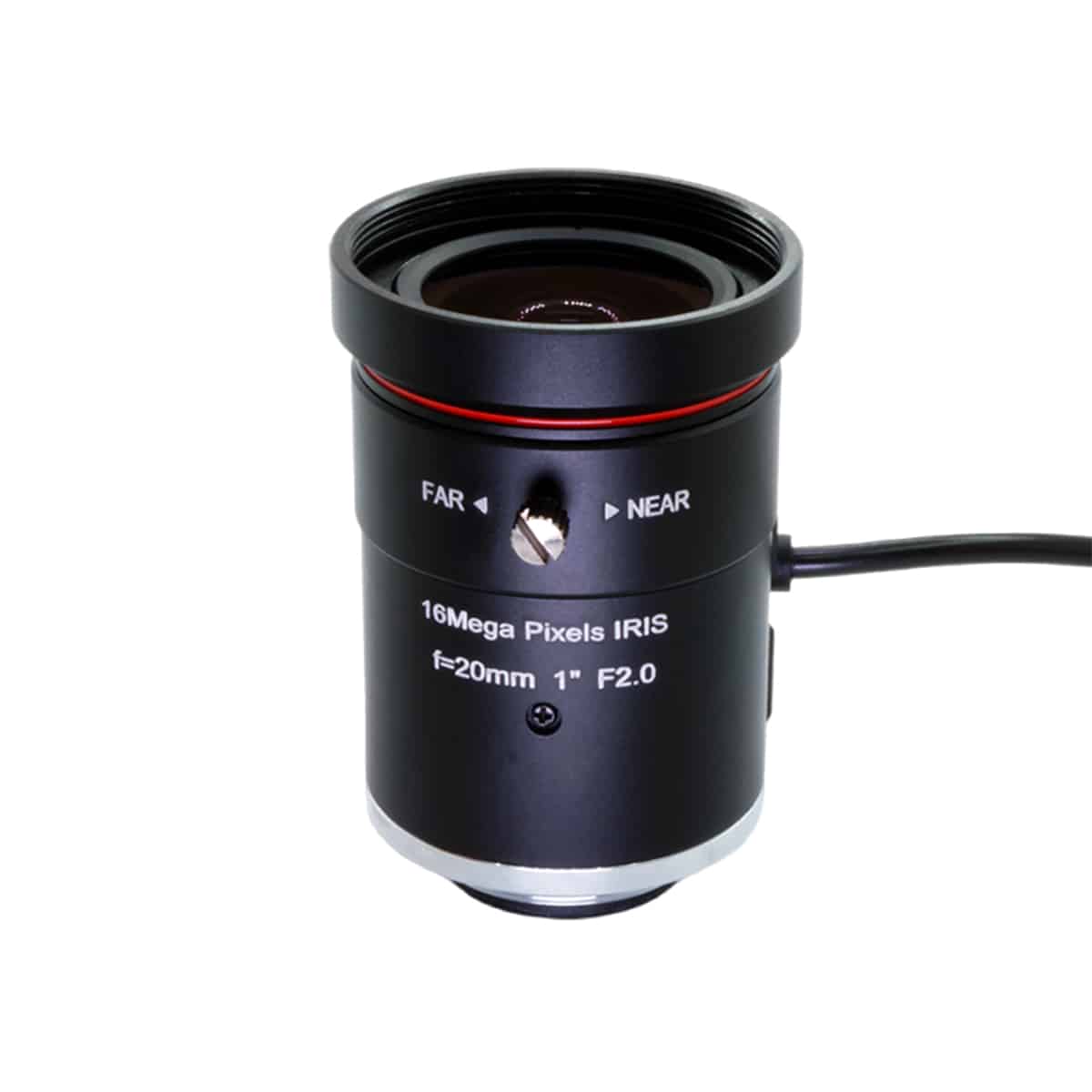
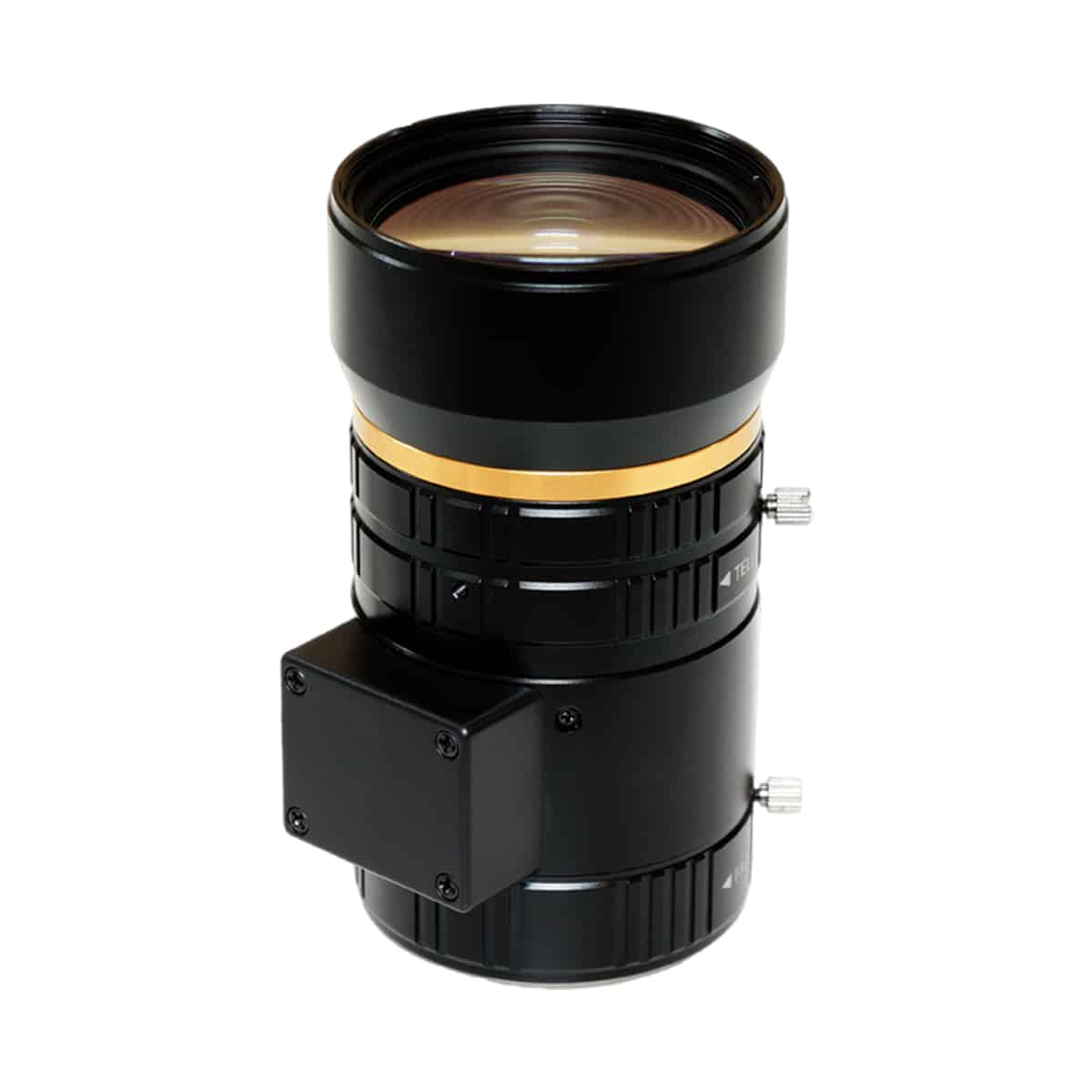
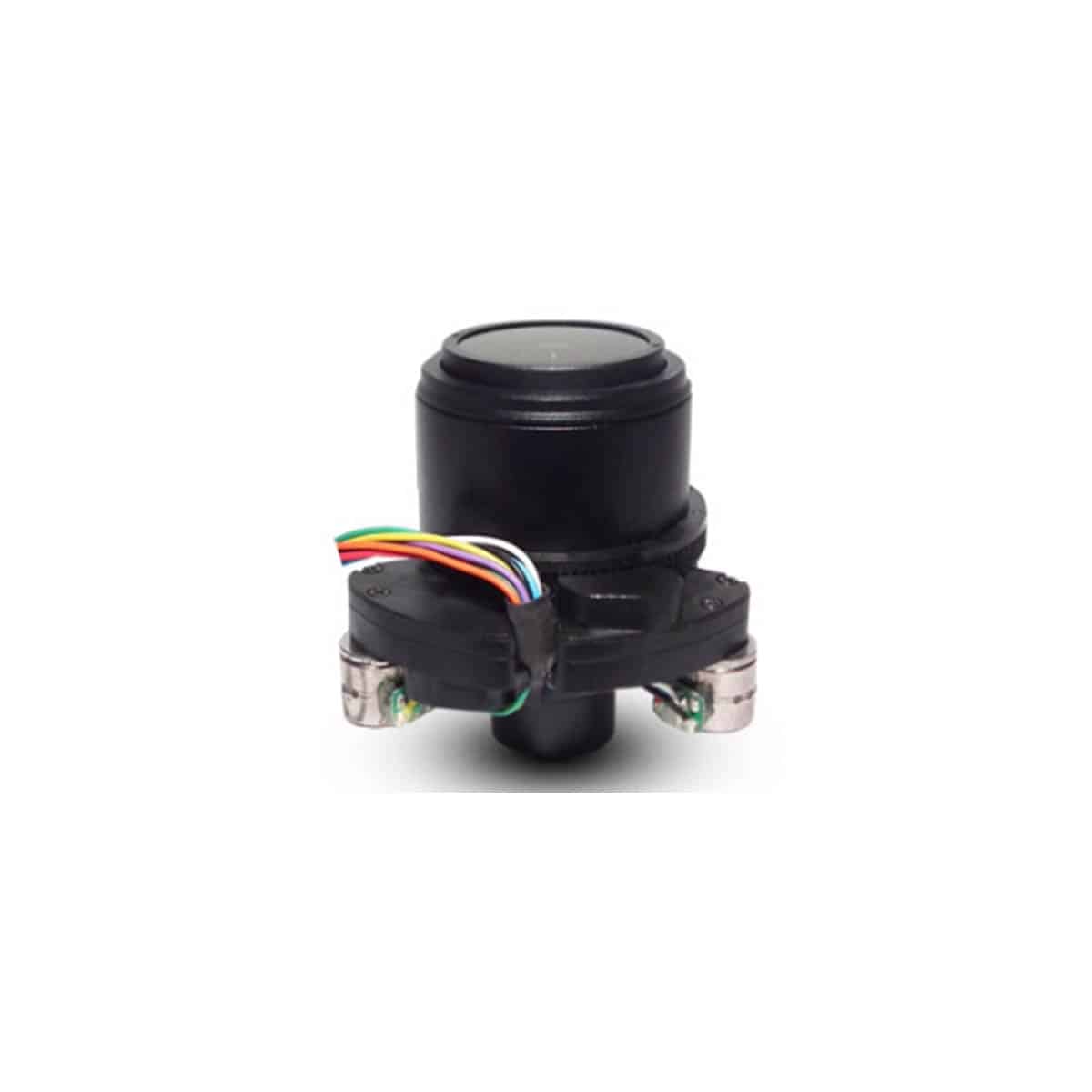
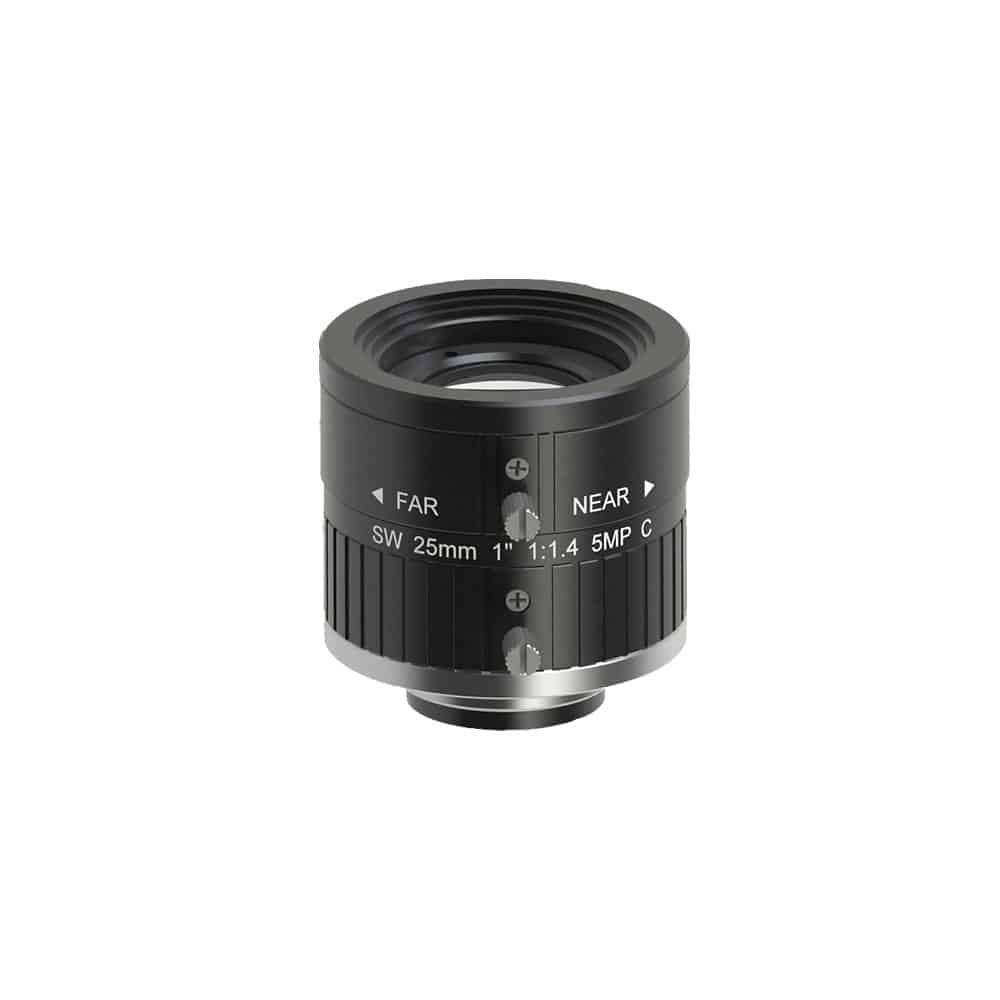
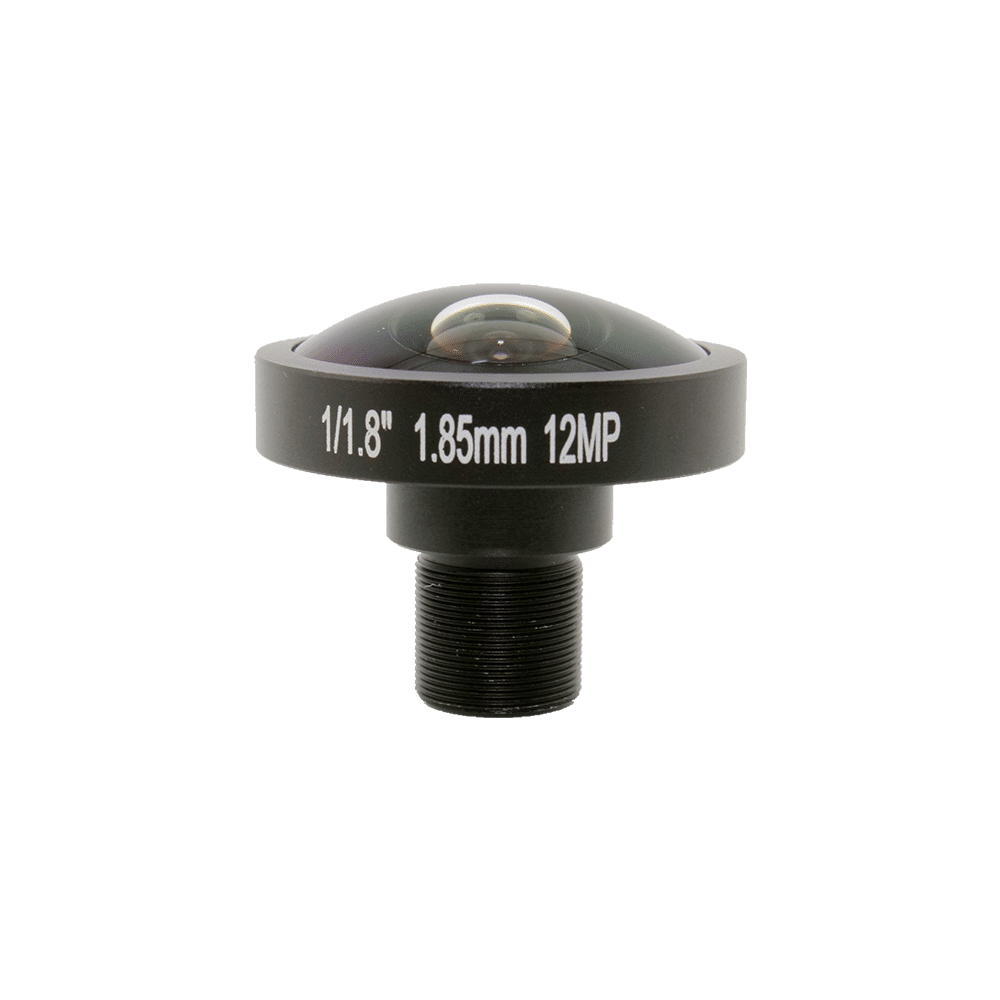
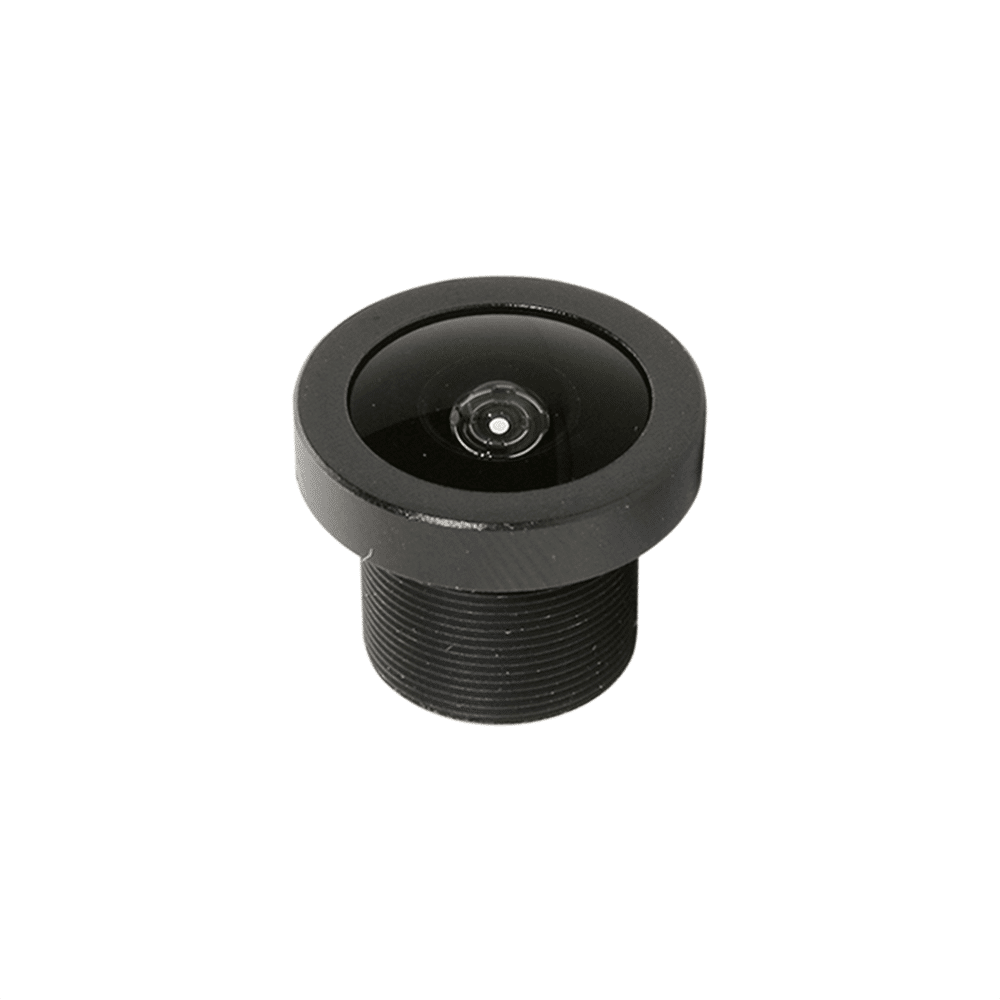
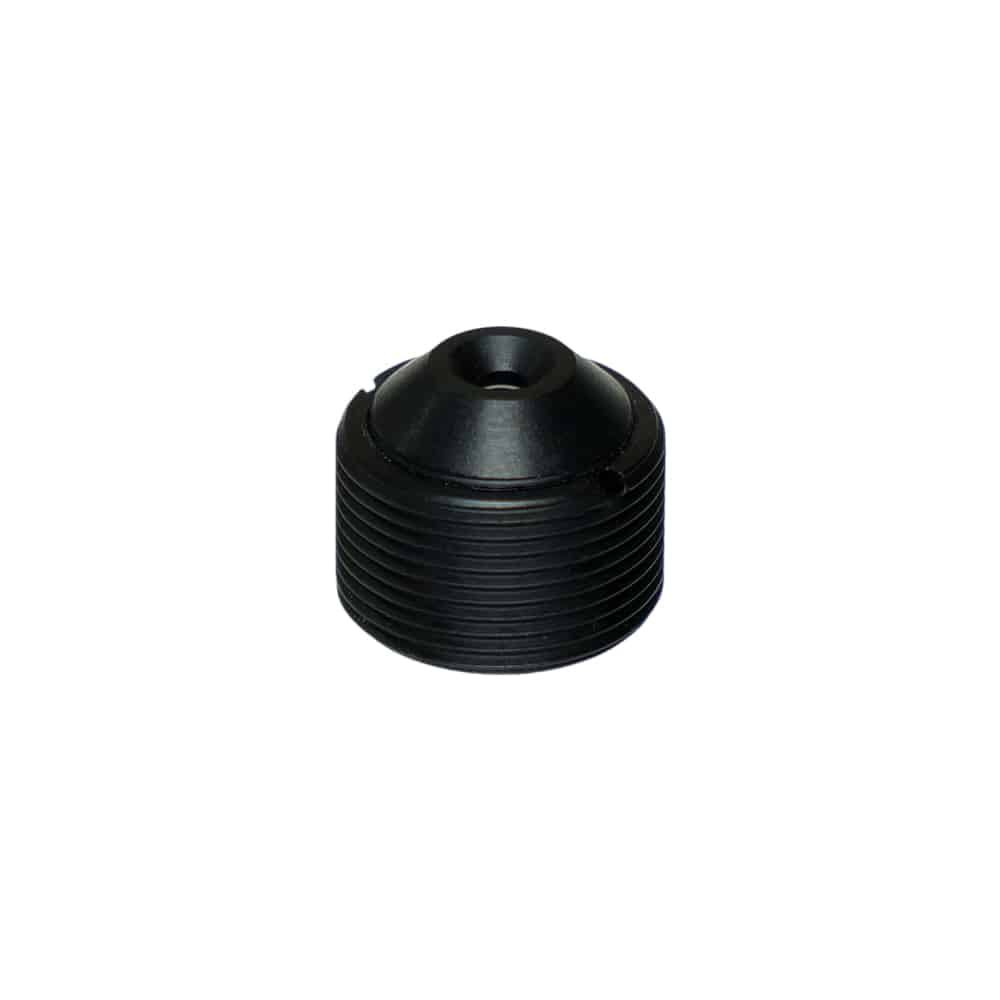
SUPERIOR® Optics offer several customizations for Security Camera Lenses. Contact us to discuss feasibility, minimum order quantities, and requirements.
SUPERIOR® Optics also consider full custom lens designs starting from 15,000pcs.
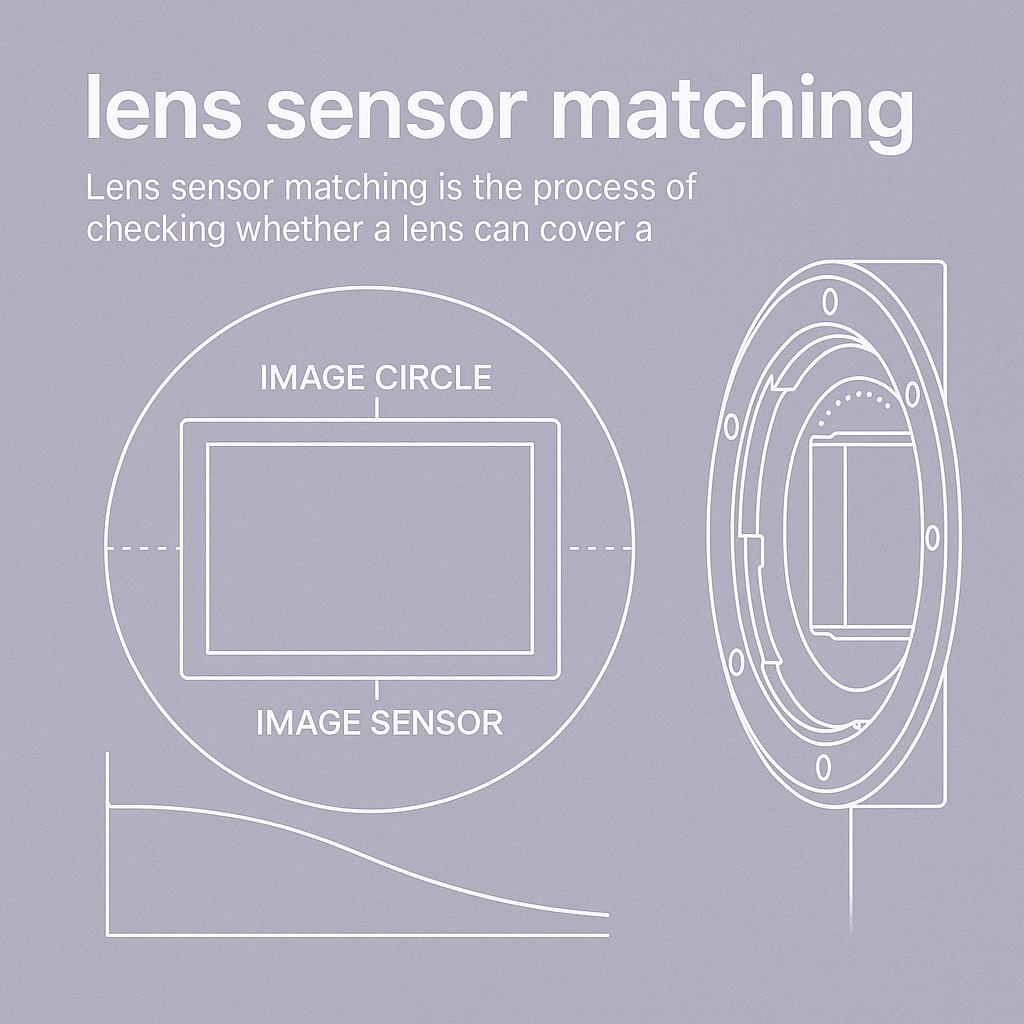
A camera-first guide to matching image circle, pixel pitch, field performance, chief ray angle and mechanical integration before approving a lens.
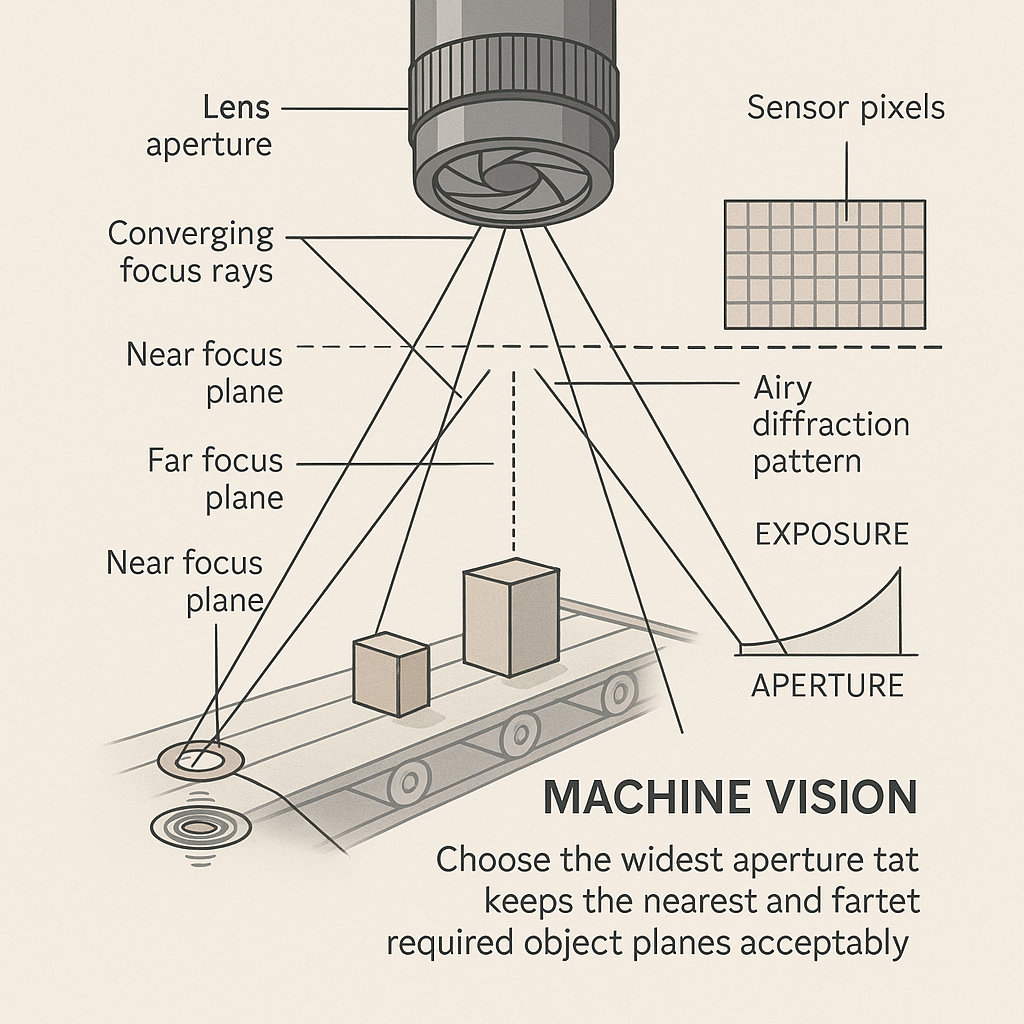
A practical method for selecting an aperture range that covers part-height variation without sacrificing feature contrast, exposure margin, or production speed.
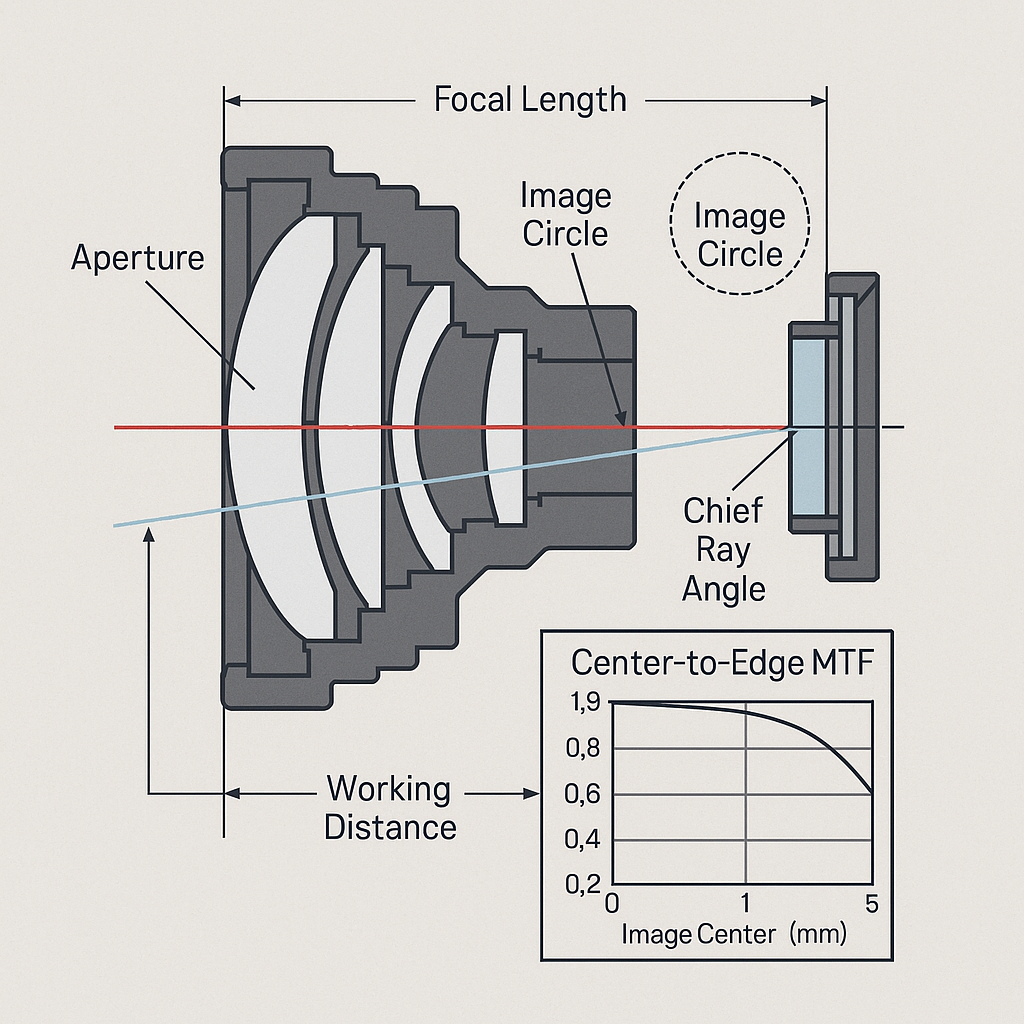
A buyer-focused comparison framework for focal length, aperture, MTF, distortion, field illumination and transmission, with condition-controlled sample checks.