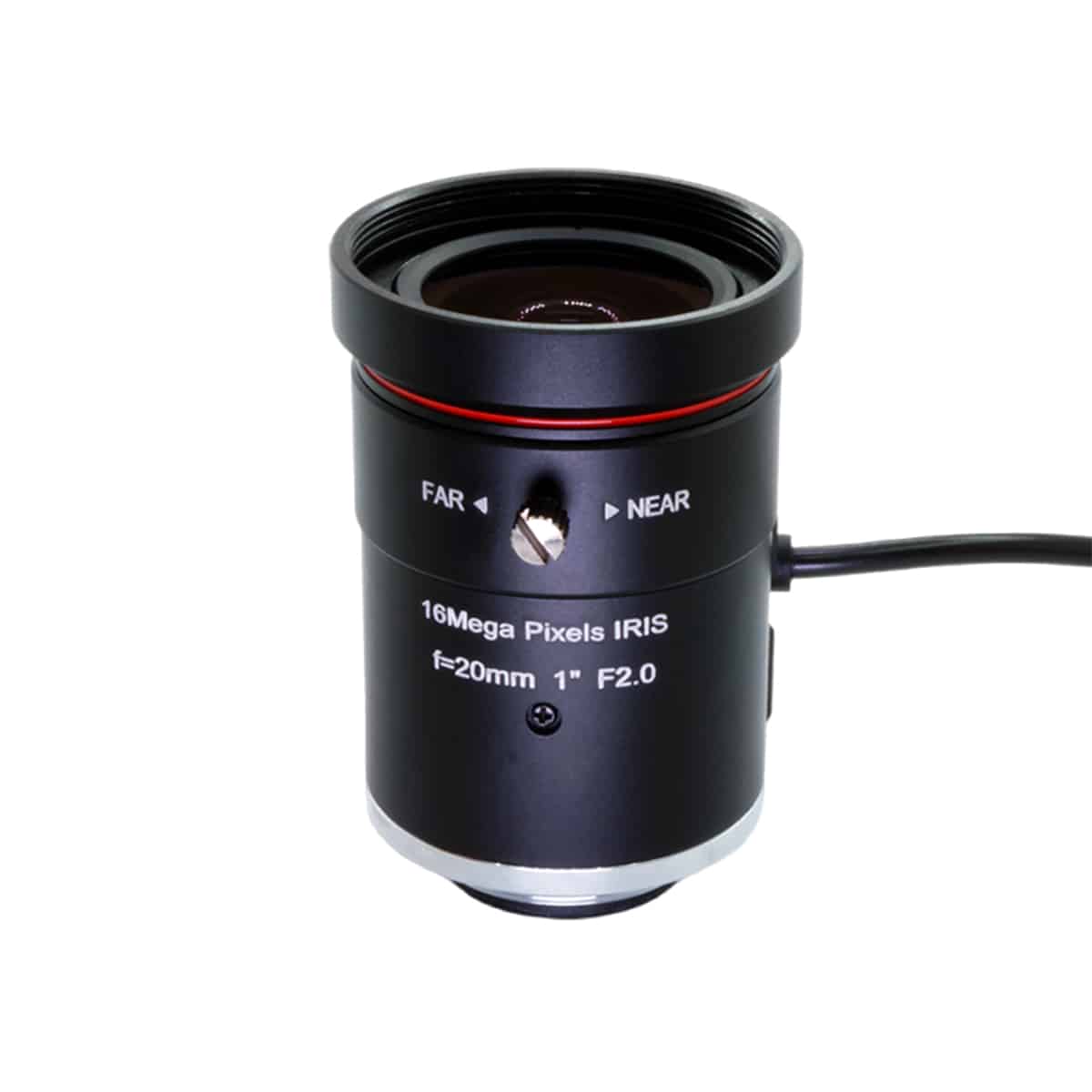
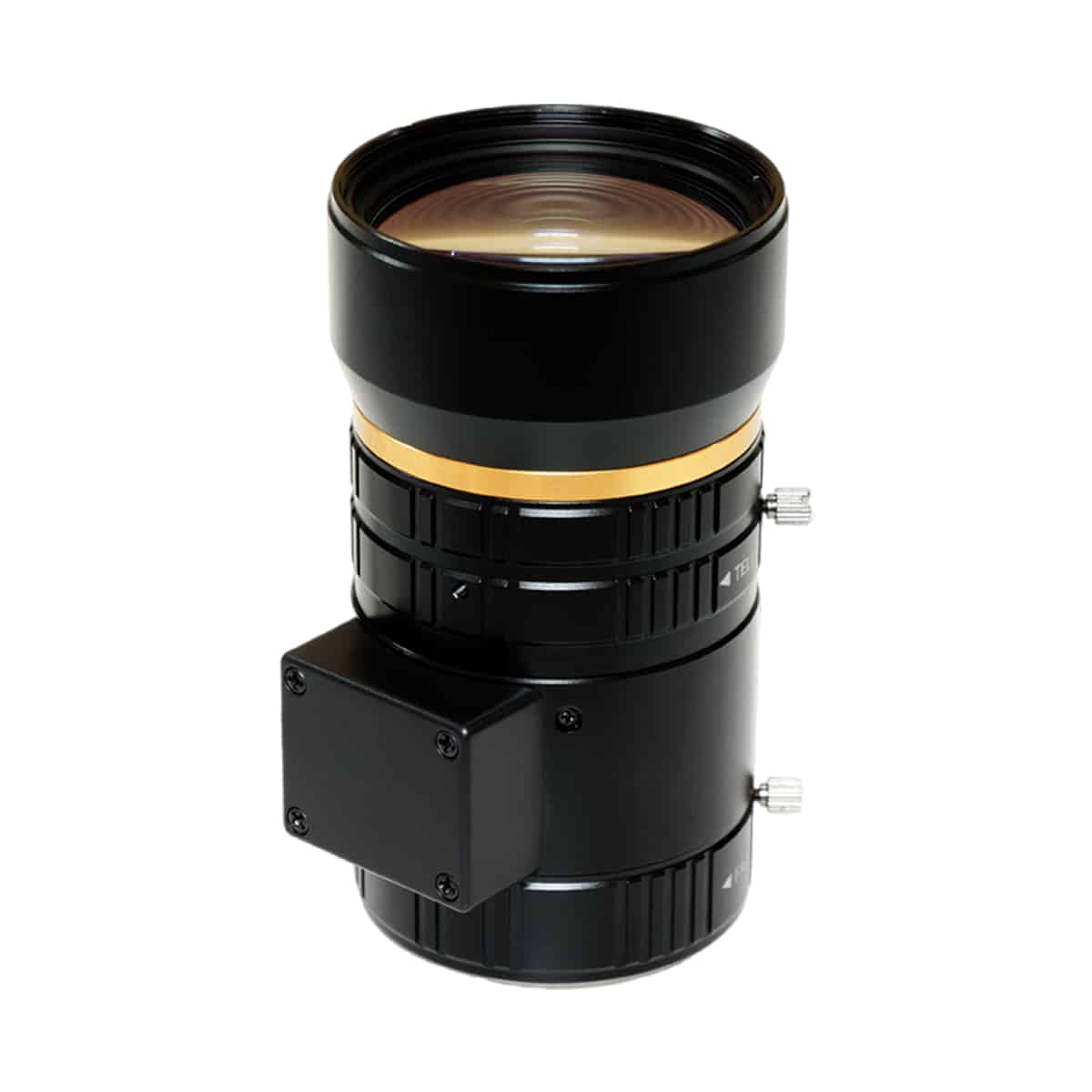
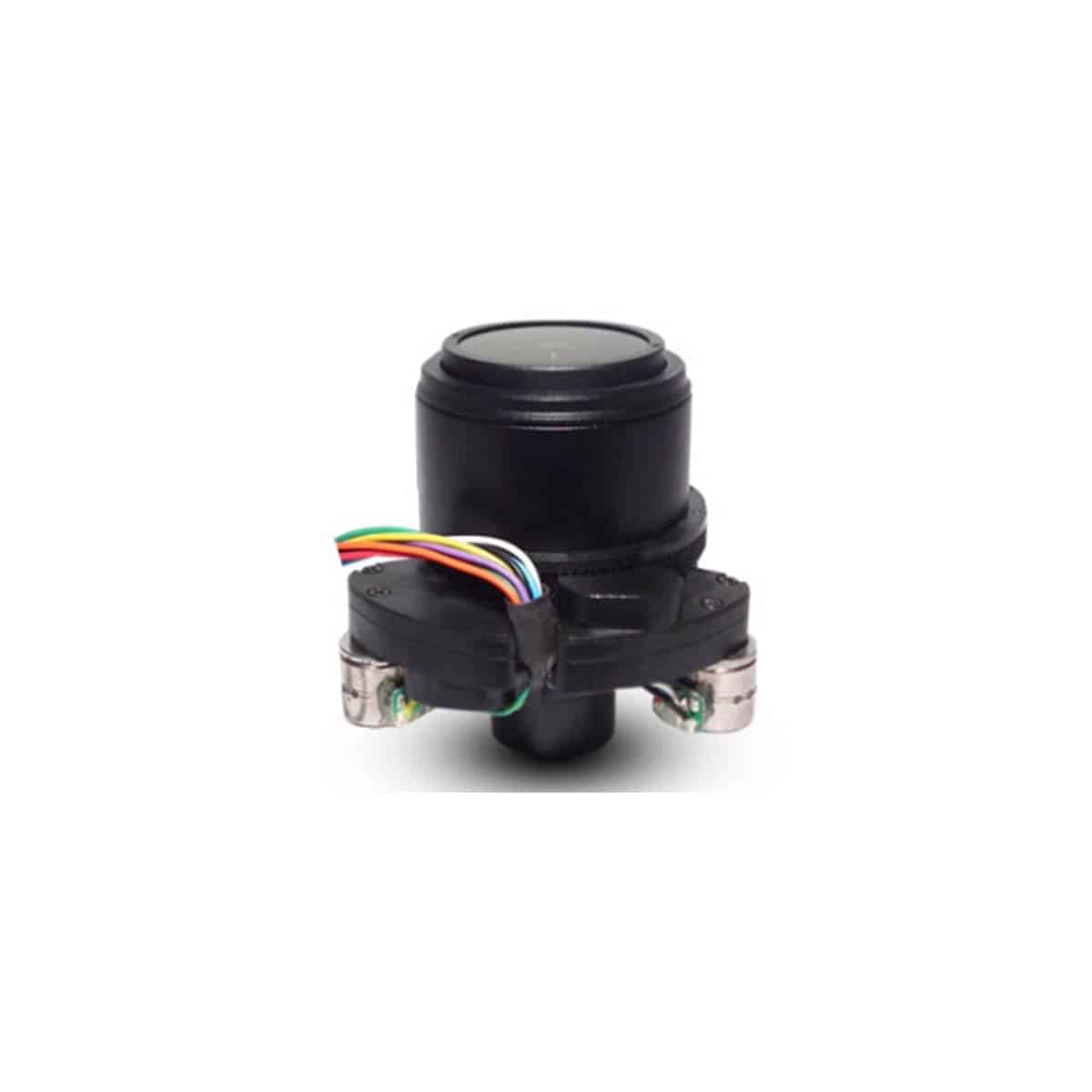
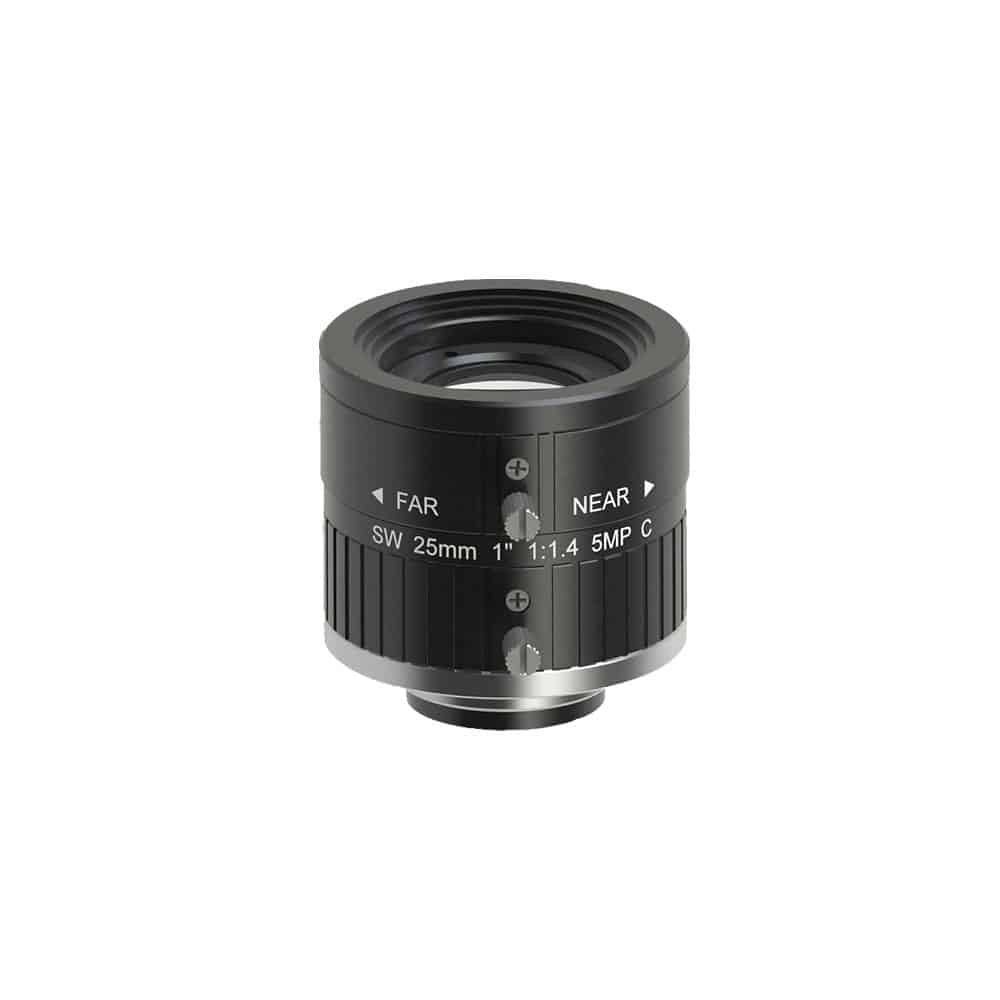
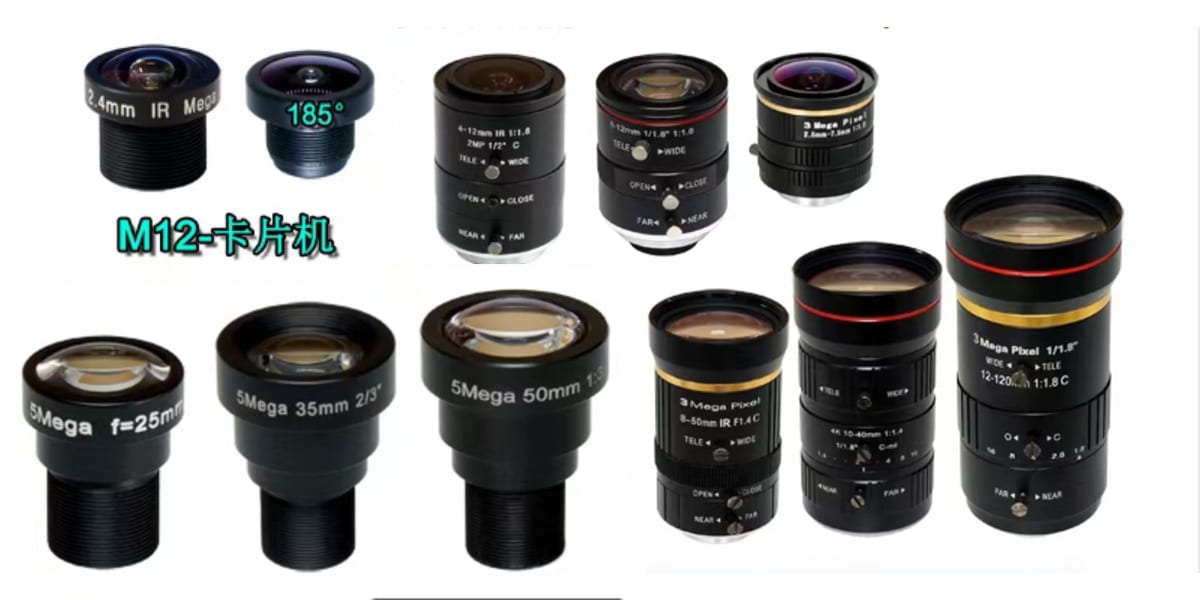
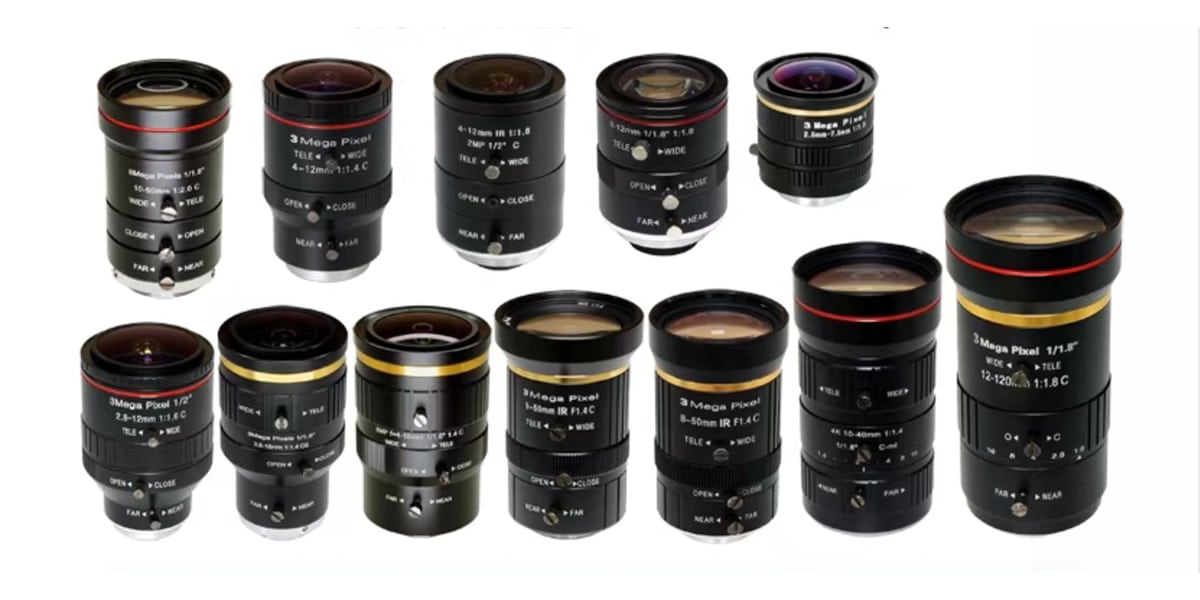
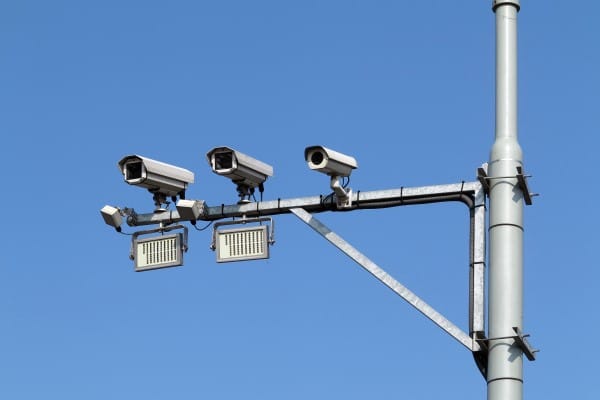
You might think all kinds of lenses are the same if you are new to purchasing security CCTV board lenses. Well! They are not the same at all! Every lens comes with unique features to secure your space. You just need to pick the right one from the best megapixel lens manufacturers to ensure adequate security surveillance. Moreover, as we all know, CCTV cameras play a significant role in securing buildings and protecting people across industries, such as commercial, residential, and workplace settings.
Furthermore, a lens board is a photographic component in a camera used to secure CCTV board lenses to the front standard of a large-format view camera. Additionally, CCTV cameras help the security team to monitor vulnerable spaces and provide proof in the event of a security violation. Nonetheless, it can be challenging to pick the right security camera for your space that offers a top-notch security system. Therefore, in this comprehensive blog, we will discuss everything about a CCTV camera lens, from its types to applications, to help property or business owners develop effective security installations.
What are CCTV Board Lenses?
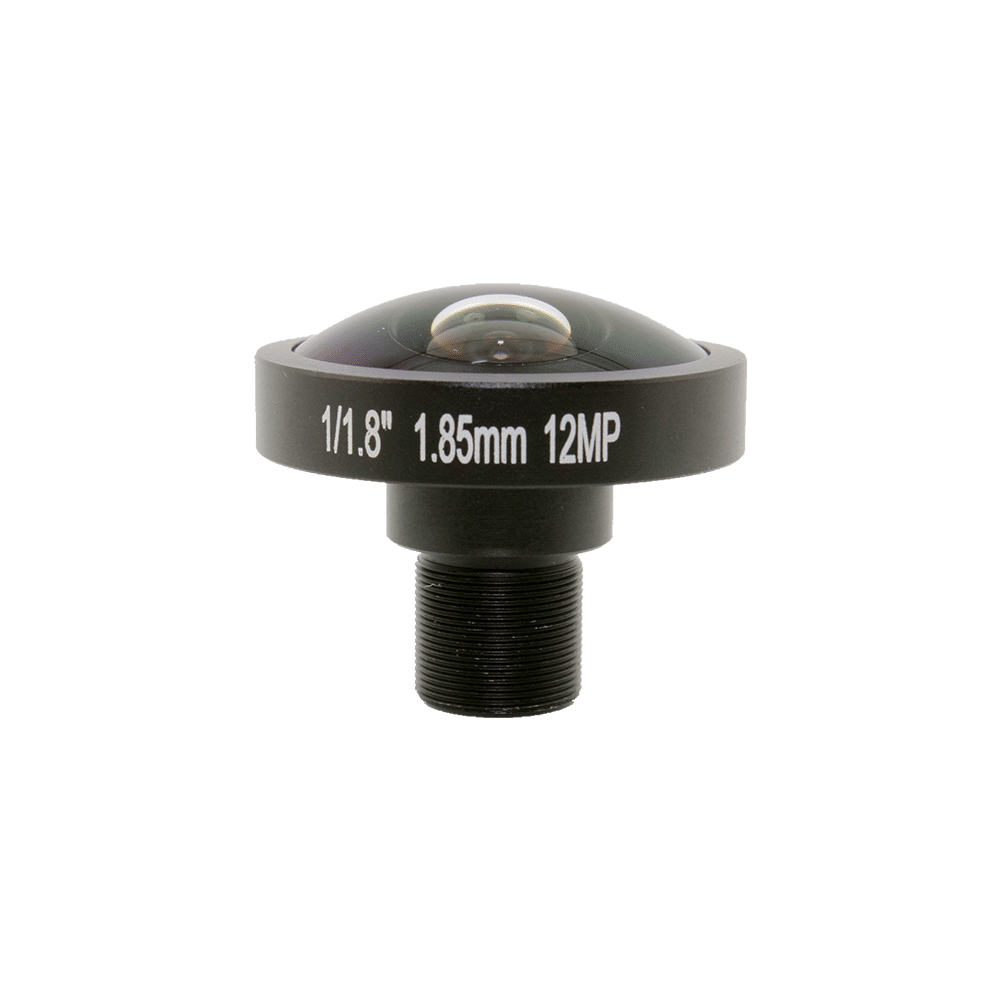
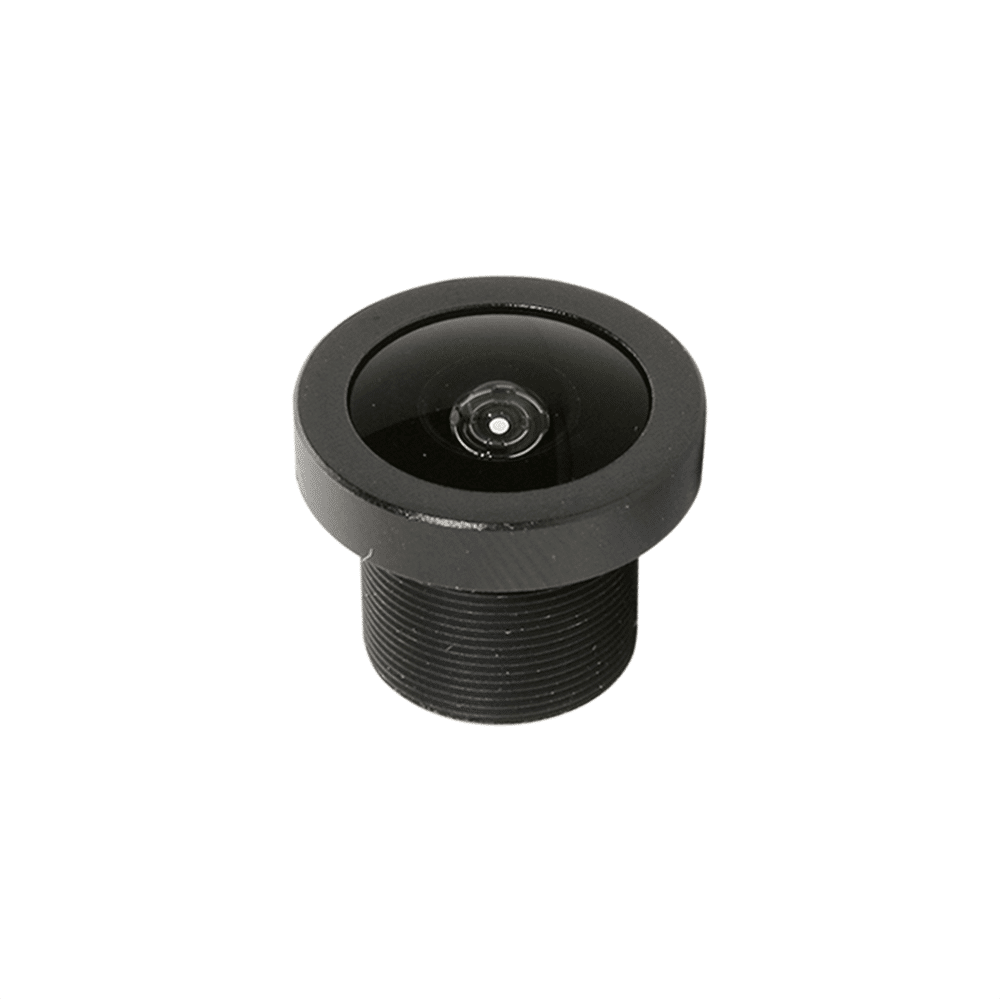
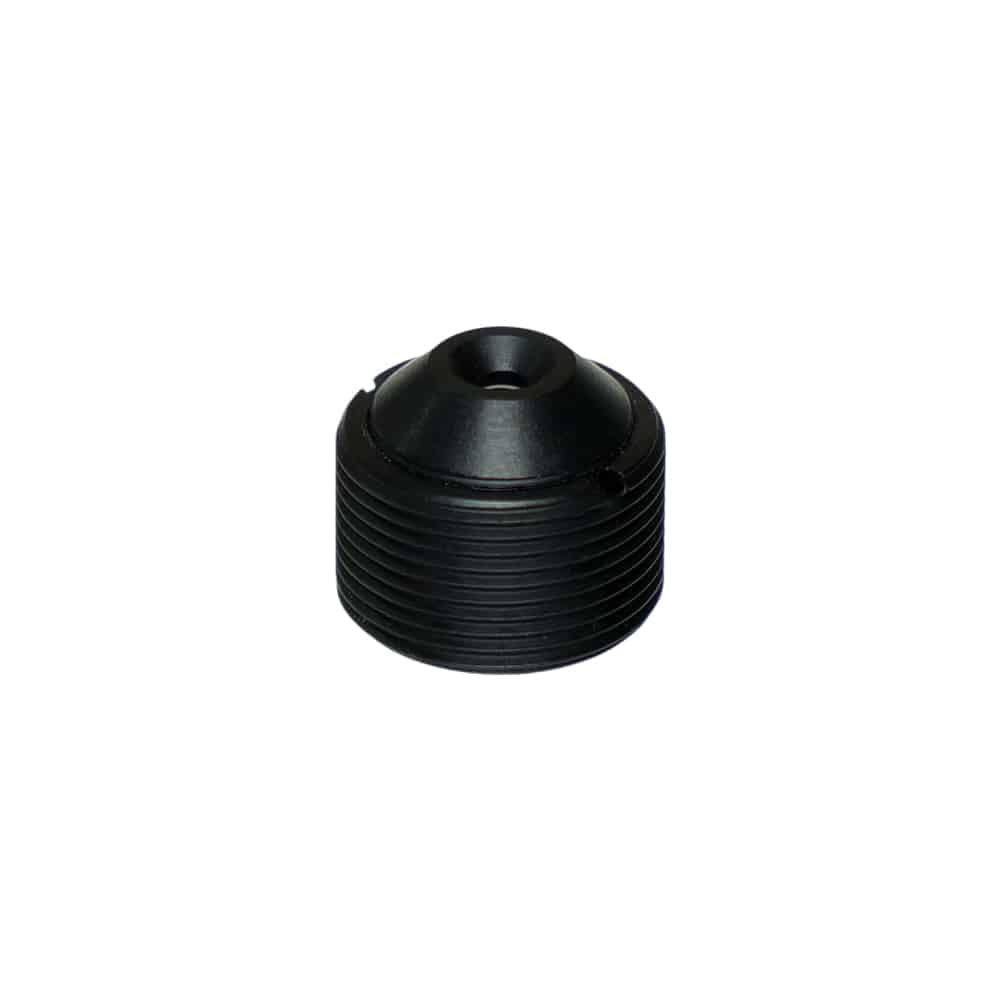
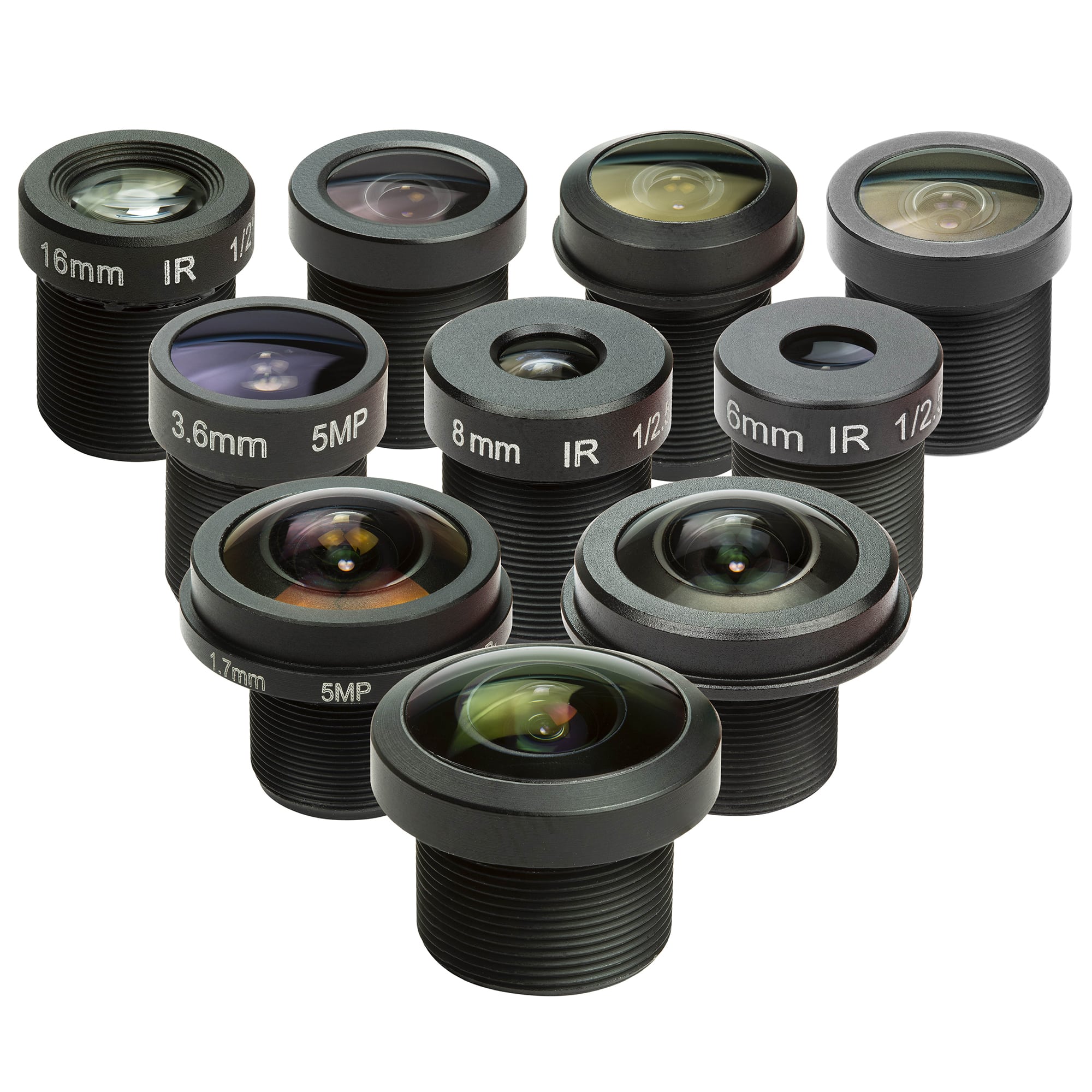
CCTV board lenses are small, pre-packaged lenses designed to be soldered directly onto a CCTV camera’s circuit board. Thus, it features a fixed focal length and aperture. Moreover, this lens is widely regarded as the best security camera lens. It is used across multiple fields to deliver top-notch security and surveillance systems, from detailed, zoomed-in views to wide-angle surveillance.
Additionally, most CCTV board lenses offered by top megapixel lens manufacturers have a fixed focal length, which means they can not zoom properly. However, they come in different focal lengths, such as 1.8 mm for a wide-angle view or 16 mm for a telephoto or zoomed-in view. Board lenses are built with HD coatings that enhance image quality and are available in multiple resolutions, such as 3 MP or 5 MP, and apertures.
Standard Technical Parameters of CCTV Board Lenses
| Parameter |
Typical Values / Notes |
| Mount Type |
M12×0.5 (S-mount), M10, CS-mount (rare for board types) |
| Focal Length |
1.8 mm, 2.1 mm, 2.8 mm, 3.6 mm, 4 mm, 6 mm, 8 mm, 12 mm, 16 mm |
| Field of View (FOV) |
180° (fisheye), 120°, 90°, 70°, 50°, 30° (varies with sensor size) |
| Aperture (F-Number) |
f/1.2, f/1.6, f/1.8, f/2.0, f/2.4, f/2.8 |
| Sensor Format Compatibility |
1/4″, 1/3″, 1/2.5″, 1/2″, 1/1.8″, 1″ |
| Resolution Rating |
2 MP, 5 MP, 8 MP, 12 MP, 16 MP |
| IR Compatibility |
IR-corrected, non-IR, dual-band |
| Lens Type |
Fixed, autofocus, varifocal (rare in board-style), fisheye |
| Distortion Level |
Low (<3%), medium (~5%), high (fisheye>20%) |
| Back Focal Length (BFL) |
Typically 2–5 mm (varies by model) |
| Chief Ray Angle (CRA) |
5°–25° depending on sensor/lens match |
| Material |
Glass, plastic, hybrid |
| IR Cut Filter |
Optional; sometimes located on sensor module |
| Operating Temperature |
−20°C to +70°C typically |
| Lens Dimensions |
Ø 12 mm body, 14–25 mm length (varies) |
What are the Significant Types of CCTV Board Lenses?
Here are some imperative types of CCTV board lenses that every buyer should know before planning to purchase them for their space:
1. Fixed Lenses
A fixed security camera lens is also known as a prime lens. Thus, in a fixed-lens camera, you cannot change the focal length for zooming, since it uses a single lens. It means that if you need to change the field of view or magnification, you will have to move closer to or farther from the object. Likewise, a fixed CCTV camera lens often has a simpler design that allows for wider maximum apertures, such as f/1.8 or f/1.4, and is optically exceptional compared to many zoom CCTV board lenses, providing sharper images.
Application of Fixed Lenses in the Security Industry
- Machine Vision and Robotics
- Medical Imaging
- Photography and Filmmaking
- Conservation and Surveillance
- Robotics
Pros
- Fixed focal length
- Simpler mechanical design
- Wider maximum apertures
- Optical quality
- Produce Sharper Images
Cons
- Lack of versatility
- Requires more movement
- Composition constraints
- Need to carry multiple lenses
- Steeper learning curve
2. Varifocal Lenses
A varifocal lens is also called a progressive security camera lens. Likewise, it is a multifocal security camera lens that corrects vision at all distances, including near, far, and intermediate, within a single lens, without any visual lines that you typically find in a bifocal CCTV camera lens. Nevertheless, varifocal lenses are used in camera lenses and eyeglasses, though they function differently in each application.
Application of Varifocal Lenses in the Security Industry
- CCTV video monitoring
- CCTV and surveillance
- Machine vision
- Industrial inspection and measuring
- Spatial imaging and surveying
Pros
- Adjustable field of view
- Adaptability to changing environments
- Higher image quality
- Reduced installation costs
- Minimizes blind spots:
Cons
- Higher cost
- Complex setup and calibration
- Potential for reduced image quality
- More mechanical parts and maintenance
- Larger size and heavier weight
3. Motorized Zoom Lenses
A motorized zoom lens, offered by the best megapixel lens manufacturers, is an optical element that uses a motor or servo to adjust its focal length, enabling seamless, electronically controlled focusing and zooming. At the same time, other manual CCTV board lenses are adjusted by physically turning a ring. On the other hand, a motorized zoom security camera lens can be controlled via a controller, software, or a button. However, it makes them an exceptional option for applications that require remote adjustments, such as live events, industrial inspection, and security surveillance. Thus, this creation of megapixel lens manufacturers provides smooth, precise zooming without compromising image or video quality and can automatically manage focus.
Application of Motorized Zoom Lenses in the Security Industry
- Industrial Inspection
- Security and Defense
- Medical Imaging
- Automation and Robotics
- Surveillance and Monitoring
Pros
- Remote focus and zoom
- Enhanced image clarity
- Flexibility and adaptability
- Improved coverage and efficiency
- Reduced installation and maintenance
Cons
- Coverage Gaps
- Mechanical Limitations
- Strain On Network Bandwidth and Storage
- Complicated Setup and Installation
- Higher Initial Cost
4. IR Corrected Lenses
The IR corrected CCTV board lenses are also known as day-and-night confocal lenses. Megapixel lens manufacturers ensure that this CCTV camera lens focuses both visible and near-infrared (IR) light onto the same focal point. Thus, it provides a saturated and clear image across a broader range of lighting conditions. Furthermore, this CCTV camera lens prevents the focus shift that occurs when light of different wavelengths is used. Additionally, it is common practice to use standard lenses when a camera shifts to night mode and the IR cut filter is removed.
Application of IR Corrected Lenses in the Security Industry
- Urban Surveillance
- Retail Security
- Access Control
- Warehouse and Factory Monitoring
- Border Patrol and Remote Monitoring
Pros
- Clearer, Sharper Images Day and Night
- Improved Low-Light Performance
- Enhanced Color Accuracy
- More Reliable AI and Analytics
- Cost-Effective and Versatile
Cons
- Complex Design
- Lower Light Transmission
- Limited Aperture Control
- Residual Chromatic Aberration
- Application Limitations
5. Auto-Iris Lenses
Auto-iris CCTV board lenses automatically adjust their aperture to control the amount of light getting to the camera’s detector, much like a human eye. It is helpful for multiple applications with changing light conditions, such as outdoor surveillance, as it enhances images by opening the iris in low light and closing it in luminous light. The camera controls these CCTV board lenses and are imperative for maintaining a clear, well-exposed image despite fluctuation in illumination.
Application of Auto-Iris Lenses in the Security Industry
- Outdoor Surveillance
- Urban and Traffic Monitoring
- Critical Infrastructure Protection
- Access Control and Biometrics
- Vehicle-Mounted Systems
Pros
- Adapts to Changing Light Conditions
- Improves Image Quality
- Enhances Depth of Field
- Provides a Broader Field of View
- Optimizes for Bright and Dark Conditions
Cons
- Poor Mid-Range Performance
- Lack of Precise Control
- Diffraction in High-Resolution Cameras
- Image Artifacts from Low-Quality Diaphragms
- Backlighting Issues
How to Choose the Best CCTV Board Lenses?
When purchasing the right CCTV board lenses, it is imperative to know precisely what you are looking for. Furthermore, we have outlined some crucial points you should consider before buying a CCTV camera lens from the best megapixel lens manufacturers.
- The very first thing you must consider is to find out what kind of mount is suitable for your CCTV lens.
- Next, it is imperative to know the right angle of the lenses. That is why you need to choose the correct angle of the security camera lens.
- Third, check the compatibility between sensor and lens size. It is one of the essential steps to consider when purchasing the best CCTV board lenses.
- Choose the lens type that matches your camera’s mount.
- Lastly, install it in your preferred area where you need security surveillance.
It’s Time to Wrap Things Up!
We hope this comprehensive blog has provided you with the precise details of CCTV board lenses. However, if you are searching for one of the most exquisite megapixel lens manufacturers, look no further than Superior CCTV. We specialize in designing, manufacturing, assembling, and debugging a range of security lenses, including varifocal, infrared, fixed, night-vision, and more.
Furthermore, we have been in this industry for more than two decades, manufacturing high-quality, customized security camera lenses. Every CCTV camera lens is designed to withstand every weather condition, whether it is snowing, raining, or cold. So, do not wait any longer. Connect with us today and get your chosen security lenses without breaking your bank.