


Laser Marking
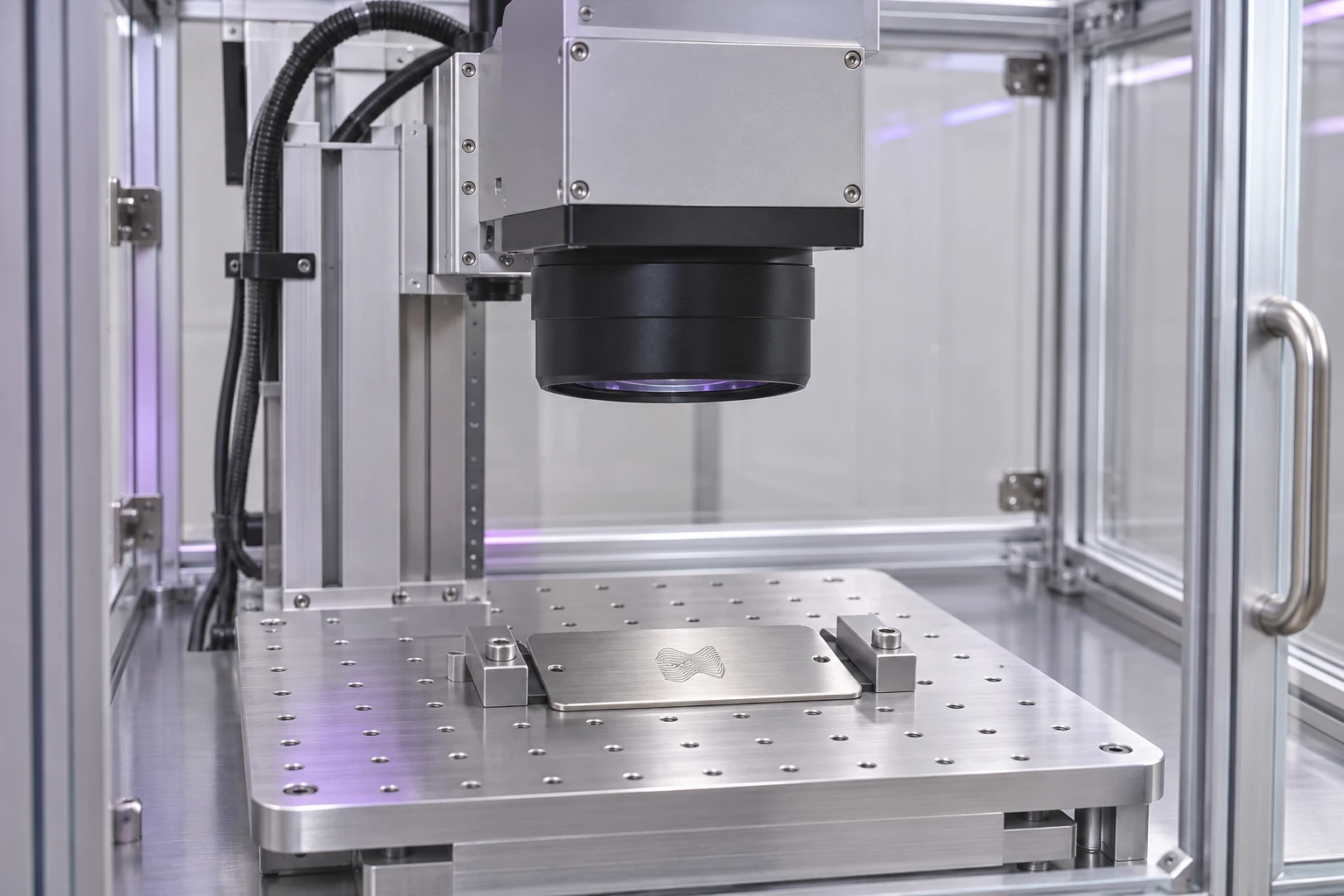
Review scan-field size, beam input and required marking detail. Evaluate process samples at the specified wavelength and focus plane.
Discuss Your ApplicationSUPERIOR OPTICS / CATEGORY
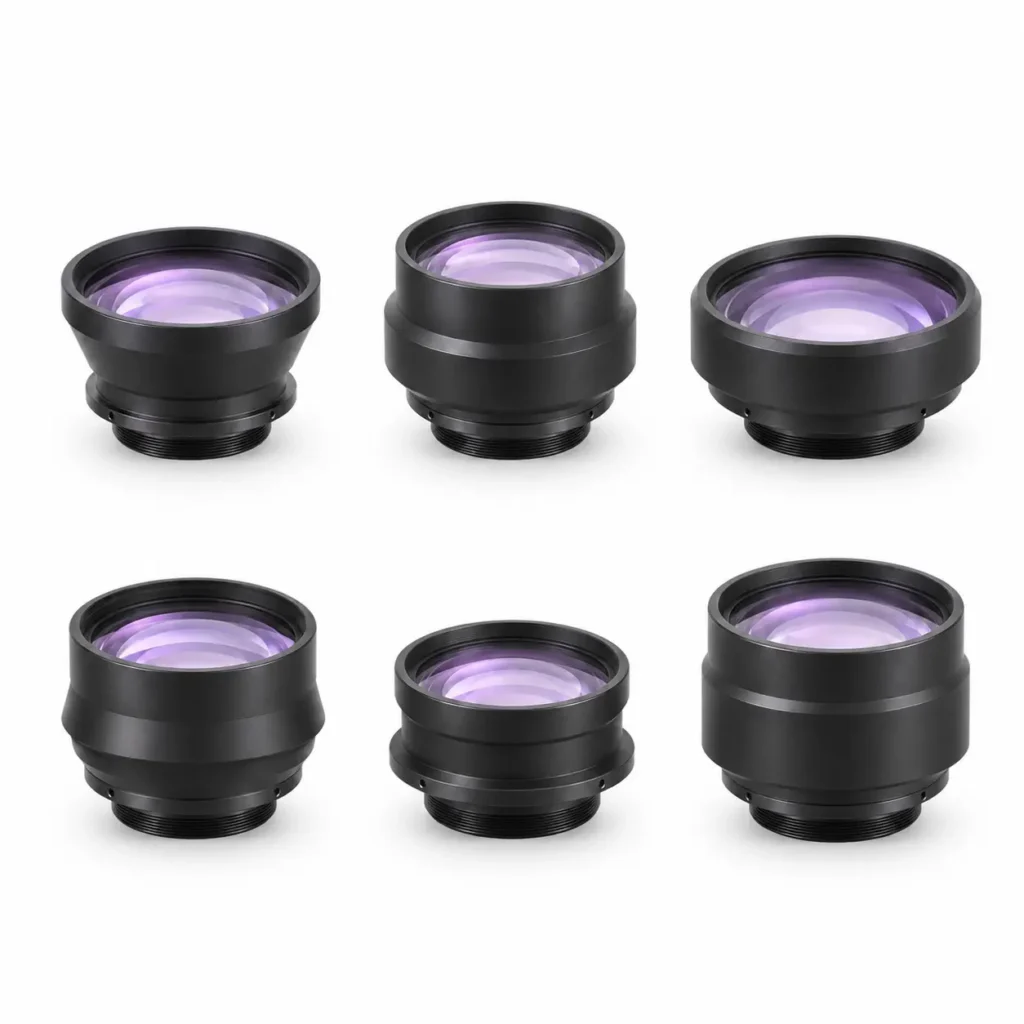
F-theta lenses focus a scanned laser beam over a defined working field and are selected as part of the scan system. SUPERIOR reviews wavelength, beam diameter, scan geometry, working distance and mechanical requirements for project feasibility. Confirm model-specific spot performance, field behavior and laser compatibility before approving an optical configuration.
0 matching models
The model catalog is being prepared. Use the lens selection checklist below to outline your requirements.
An F-theta lens focuses a beam steered by galvanometer mirrors onto a nearly flat work surface. It is designed so the spot position is approximately proportional to the optical scan angle, following y ≈ fθ, where f is the effective focal length and θ is the optical scan angle in radians.
For laser marking or micromachining, select the lens together with the scan head: match the laser wavelength, beam diameter, mirror geometry, required scan field and working distance. Verify spot size, focus and positioning across the usable field under your actual process conditions.
Use project-defined inputs to prepare a selection brief. Confirm the selected model specifications and agree on test conditions before approval.
| Parameter | Selection input | Verification required |
|---|---|---|
| Laser wavelength | Specified wavelength or laser line | Confirm coating and material suitability. |
| Beam input | Beam diameter, quality and divergence | Check the design input conditions and clear aperture. |
| Scan field | Required field dimensions and scan angles | Review field performance and spot requirements. |
| Scanner geometry | Mirror spacing and entrance-pupil position | Confirm compatibility with the actual scan head. |
| Working distance | Lens reference surface to processing plane | Keep mechanical definitions consistent. |
| Laser exposure | Power, pulse energy, duration and repetition rate | Request applicable laser compatibility evidence. |
Define the processing field and required spot characteristics together. Review model-specific field performance with the intended beam input rather than selecting on nominal focal length alone.
Specify wavelength, pulse conditions and incident beam geometry. Confirm the selected materials, coatings and exposure limits for the proposed configuration.
Match the lens entrance conditions to mirror spacing, scan angles and pupil location. Review telecentricity only where the process requires a defined incidence-angle behavior.
Coordinate lens choice with focus position, protective windows and process extraction. Validate sample results and calibration with the complete laser scanning system.
Agree on the optical and mechanical acceptance criteria for your F-Theta Lenses project. Request applicable drawings, test conditions and inspection evidence before approving a production configuration.
Review spot performance, scan-field mapping and any specified telecentricity under documented beam and wavelength conditions.
Inspect lens reference surfaces, scan-head interface, working-distance datums and protective-window clearances.
Verify focus placement and scanner alignment; assess process calibration using the agreed beam and field geometry.
Review appearance, model identification, approved specification revision and protective packaging against agreed requirements. Request applicable inspection records and batch identification before shipment release.
Use this technical reference alongside model-specific specifications and your project test plan. It does not establish certification or performance of a SUPERIOR product.
Define the imaging or optical task and validate the complete system under representative conditions.
Review scan-field size, beam input and required marking detail. Evaluate process samples at the specified wavelength and focus plane.
Discuss Your Application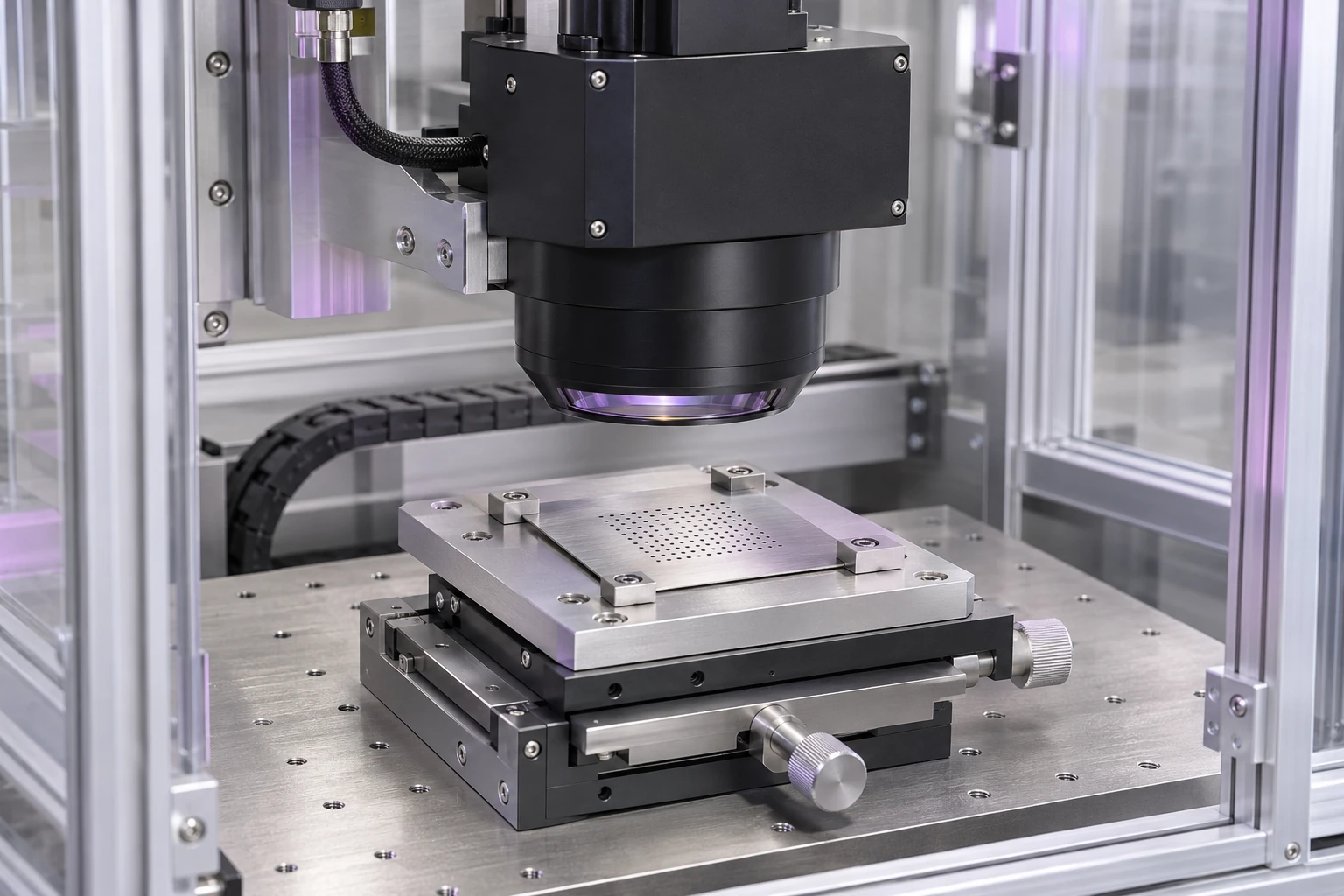
Define spot requirements, material response and process depth. Check optical feasibility and validate the complete machining setup.
Discuss Your Application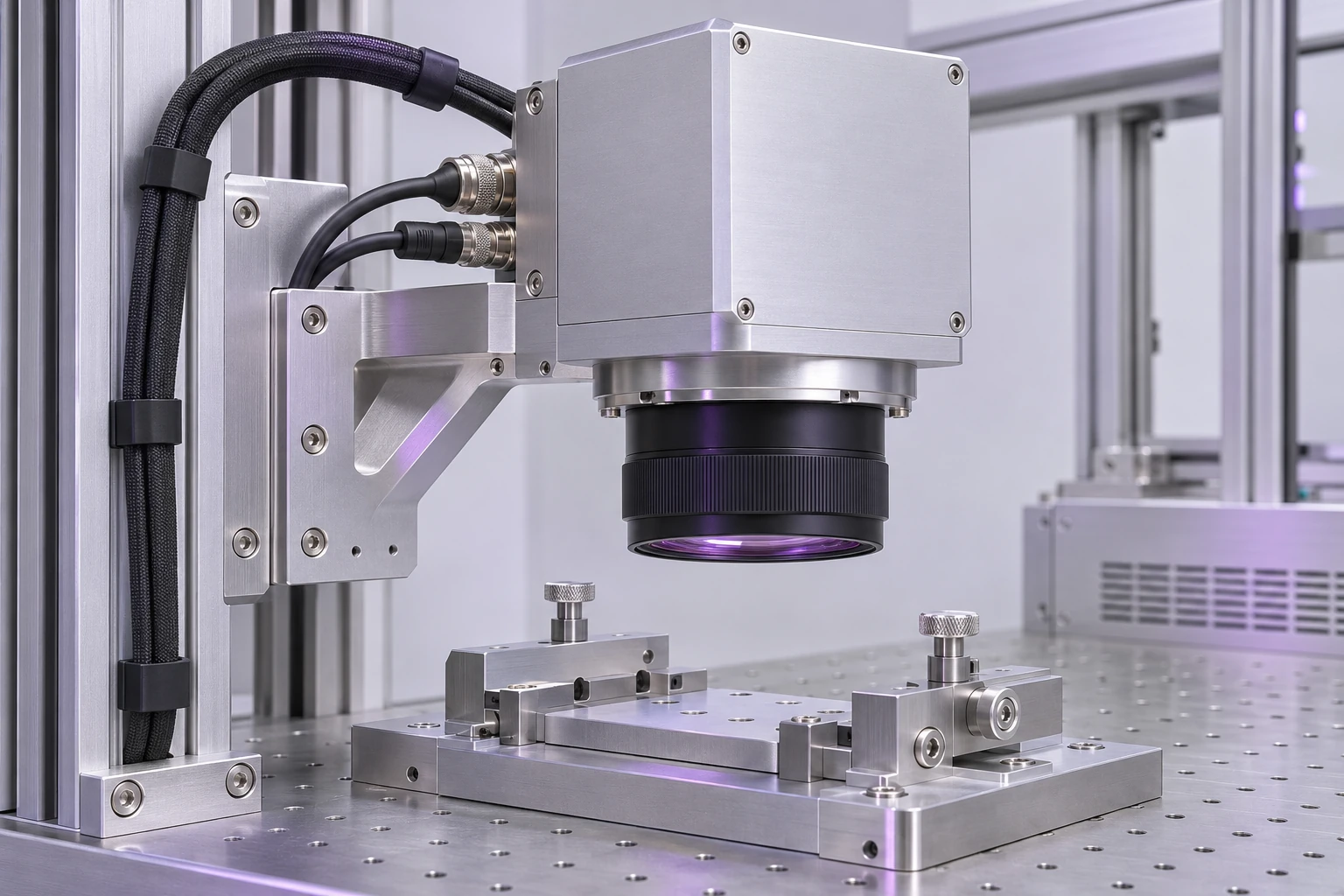
Coordinate the lens interface, mirror geometry and processing clearance. Review calibration and window configuration before prototype approval.
Discuss Your ApplicationIllustrative application scenes (AI-generated).
Review wavelength, transmission and detector compatibility for UV imaging projects.
Explore Ultraviolet LensesReview wavelength, scan field, spot size and scan-head integration before specifying a scan lens.
Read Selection GuidesDiscuss optical targets, mechanical interfaces, prototype evaluation and production requirements.
Discuss OEM / ODMBUYER QUESTIONS
Selection and project review questions for F-Theta Lenses.
Generally no. It is designed around a scanned beam and specified pupil geometry; assess a camera imaging lens for conventional scene imaging.
Provide wavelength, beam diameter and quality, power or pulse conditions, scan angles and field size. Include the scan-head drawing and working-distance definition.
No. Confirm whether the proposed design specifies telecentric behavior and how it is measured across the working field.
Send the selection inputs listed above, the relevant drawing and representative targets or process conditions. Request a model-specific feasibility review, sample evaluation plan and quotation before production approval.
PROJECT INQUIRY
Send your f-theta lenses requirements, relevant drawings and evaluation conditions. Request a model-specific feasibility review, sample plan and quotation.
Include a model number or the information currently available:
You do not need a complete optical specification to start. Send the information currently available, along with your delivery destination and preferred schedule.