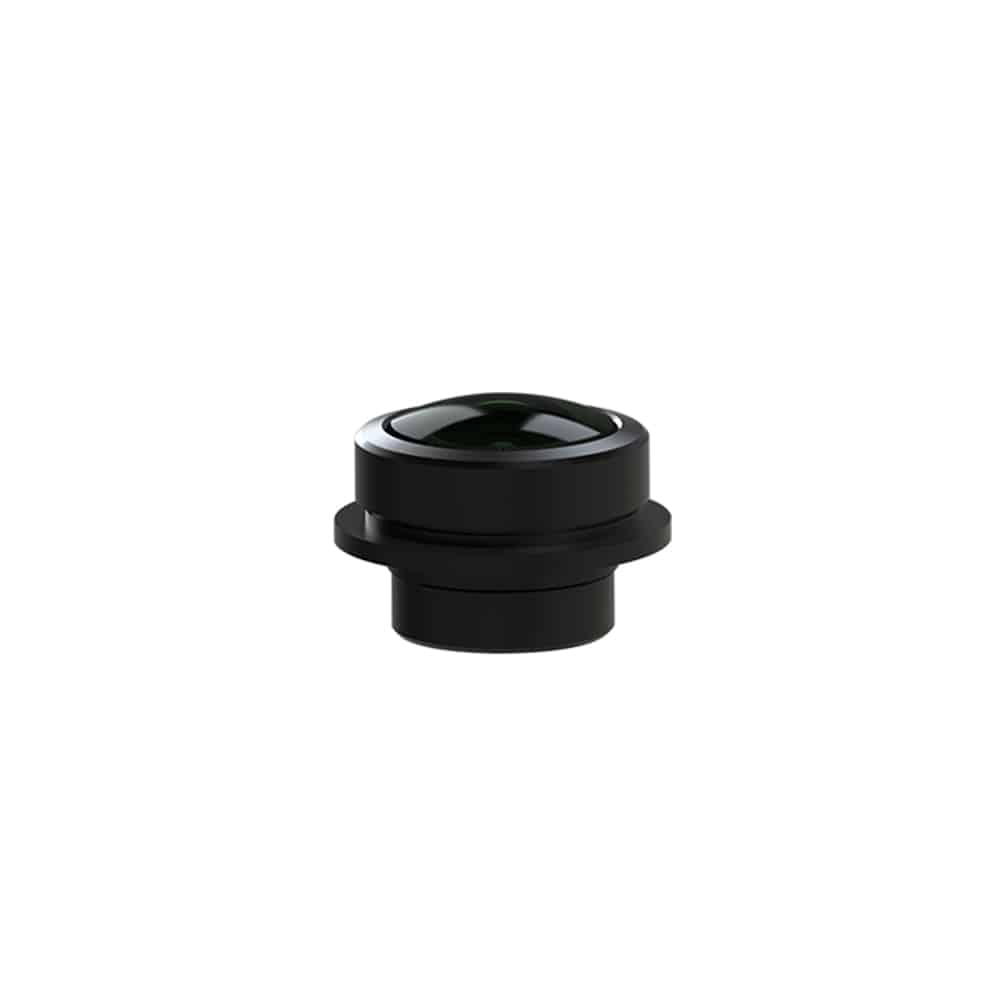
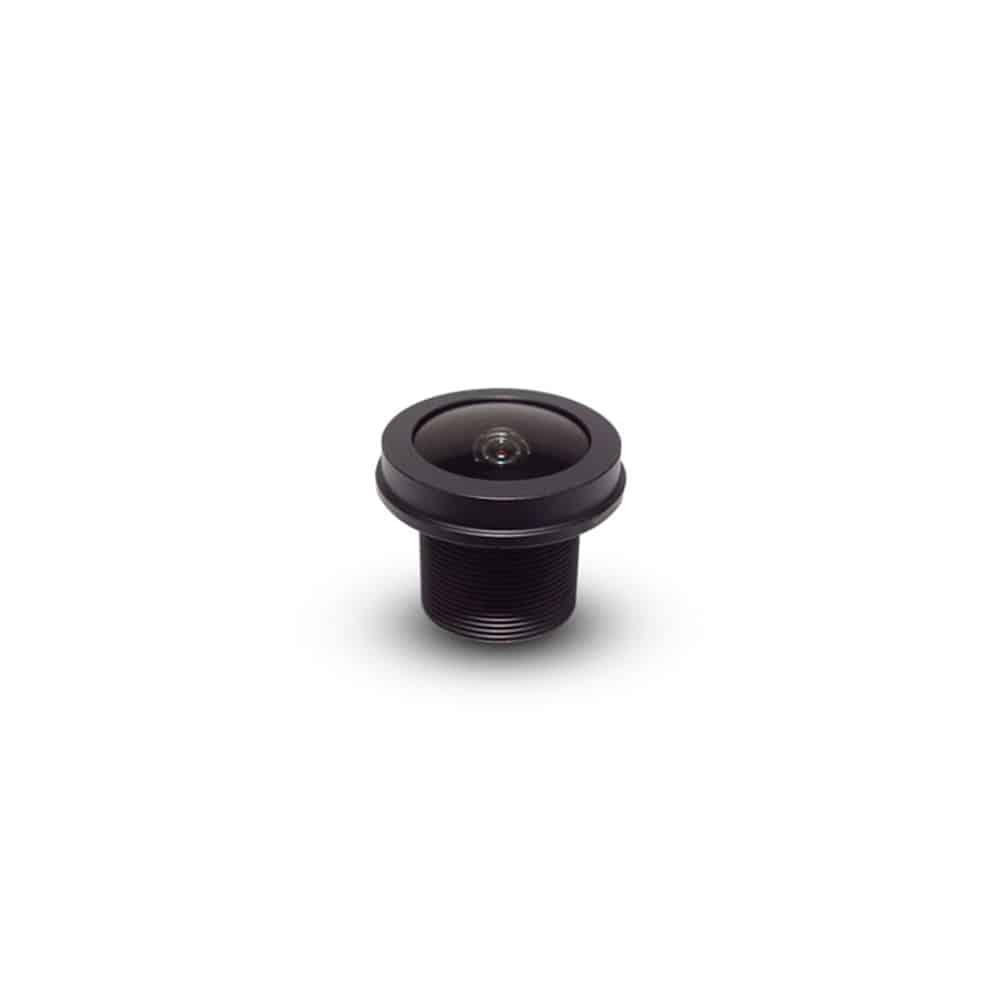
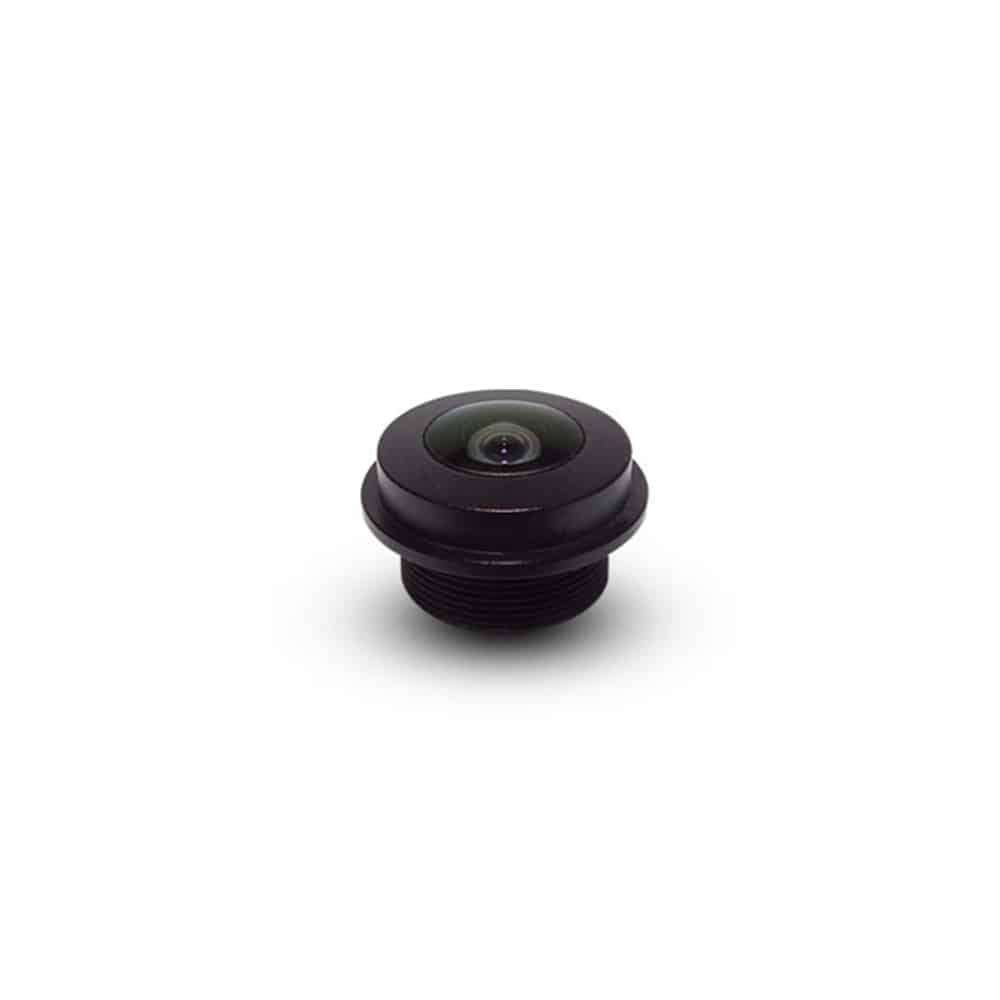
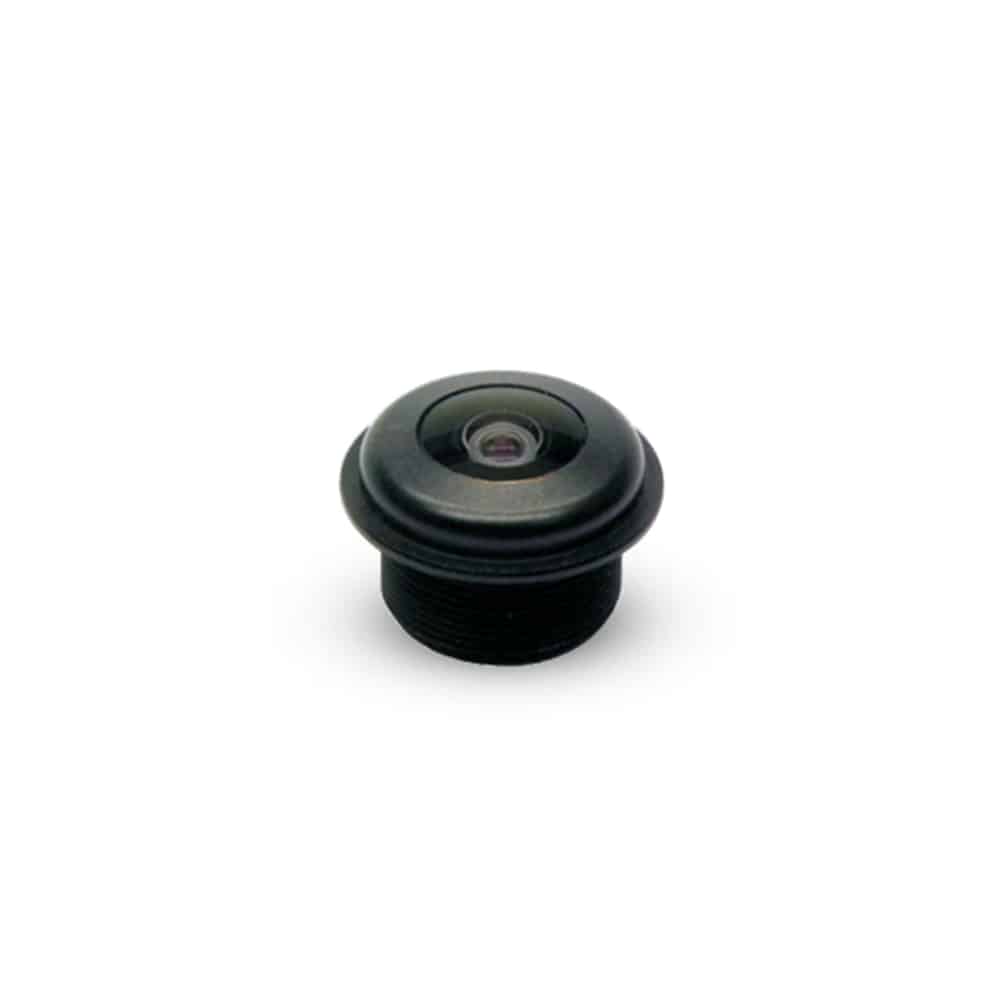
Automotive Lenses – Automotive Camera Lens

Automotive Lenses

The Effective Transition of Automotive Camera Lens Over the Years

With the tremendous growth of the automotive industry, so is the demand for automotive camera lenses. In addition, high growth in resolution, superior performance, and increasing adoption of ADAS are resulting in strong growth in the automotive camera lens market. Automotive cameras were once only used for basic reversing support, where simple lenses with limited clarity and poor low-light performance prevailed. However, as technology evolves, automotive cameras are becoming brighter, sharper, and more reliable.

Today, high-resolution automotive lenses, wide-angle views, and distortion-free imaging are common. Contemporary lenses are treated with multi-layer coatings to avoid glare, reflections, and dust. This ensures that the driver gets a clear view of the environment, either during the day or at night. Along with that, AI-enabled features like lane detection, object recognition, and parking assist are available. Therefore, it also depends on what quality lenses automotive camera lens manufacturers provide. Additionally, under harsh weather conditions, such as rain, fog, and snow, the output delivered remains stable.

Electric vehicles and autonomous driving have further accelerated the evolution of the automotive lens. Cameras are no longer just a feature; likewise, they’re considered a necessity because they’re the brain of the whole driving system. Lenses’ clarity and precision directly affect vehicle safety. Overall, the journey of an automotive camera lens-from basic analog to advanced digital solutions-has been quite impressive. Today’s lenses are smarter, safer, and future-ready, and this journey is unstoppable. Nevertheless, in this comprehensive blog post, we will discuss the key points of automotive lenses at an advanced level.

Check Out the Market Definition Of Automotive Camera Lens

The global automotive camera lens market size is expected to surge from $8.38 billion to $15.03 billion by 2030, at a CAGR of 8.7%. Additionally, rapid development in the field of automotive technology is boosting the demand significantly in the global automotive camera lens market. Similarly, it helps generate huge demand for advanced imaging technologies. However, with increasing developments on autonomous and connected vehicles, the use of advanced camera lenses integrated into lane departure warning systems, blind spot detection systems, parking assistance systems, and collision avoidance systems has become an important factor.

This challenging market, therefore, also entails special consequences. The increasing complexity of the statement of a megapixel lens manufacturer who faces supply chain disruptions in the high-precision lenses market could affect production costs and deadlines. Besides this, the fierce competition among established players and the sole, exclusive competitors of the market requires continuous innovation and strategic partnerships to maintain market share.

What are the working functions of an automotive camera lens?

Each step in the working function of the automotive camera lens relies on the precision and high quality of the lens design. Moreover, continuous improvements in optical coatings and materials go on enhancing lens performance-also under challenging conditions, such as rain, fog, or direct sunlight. However, check out the fundamental working functions of automotive camera lenses offered by the best automotive camera lens manufacturers.

1. It Captures the Light

The lens provided by the best megapixel lens manufacturer collects light from the vehicle’s surroundings. Hence, the design of the camera lens ensures maximum intake of light even in poor light conditions.

2. It offers High-Revolution Focus and Refraction

The automotive camera lens focuses incoming light onto the camera image sensor. Well-calculated focusing and operational mechanisms ensure transparency at a range of distances.

3. It provides a signal processing system

The electronics of the camera convert the optical image into digital data. Moreover, automotive lenses of the vehicle systems process the data in order to interpret the environment.

4. It processes output for safety and automation.

The processed images serve working functions that include obstacle recognition, parking assistance, and lane detection. Similarly, the vehicle is able to answer appropriately with the help of an automotive camera lens.

5. It Offers Accurate Image Formation

In these automotive lenses, concentrated light forms an image on the sensor. Anti-reflective coatings reduce reflections and glare that can distort the image.

Basic Types of an Automotive Camera

Let’s look at the imperative types of automotive cameras.

Basic Types of an Automotive Camera

1. Surround-View Cameras

The Surround View System provides a 360° view of the vehicle by combining the images captured from various camera angles. Likewise, it enables park assistance and guidance in compact spaces.

2. Rear-View Cameras

Automotive camera lens manufacturers offer rearview cameras that are installed at the back of the car. Therefore, it guides drivers while parking and reversing, providing a clear and concise view of the area behind the vehicle.

3. Cameras Forward-Facing

It is located at the front of the vehicle. These cameras are particularly designed to provide major lane-keeping assistance, traffic sign recognition, and collision avoidance.

4. Driver Monitoring Cameras

The camera is smartly designed by a megapixel lens manufacturer to give the driver a clear view of the surroundings. Thus, these cameras are placed to monitor the driver’s attention and detect signs of distraction, thereby improving safety.

5. Night Vision Cameras

Automotive camera lens manufacturers have designed night vision cameras using infrared technology to provide better visibility during dark periods. Hence, it helps in the detection of animals, strollers, and other obstacles that drivers usually cannot see with standard headlights.

Advanced Benefits of the Automotive Camera Lens

The following provides an overview of some key benefits of automotive camera lenses that are crucial for a variety of industries.

1. Ample Parking

It is one of the imperative chores every vehicle owner has to do on a daily or regular basis. Furthermore, there are sometimes blind spots, traffic, and congestion; getting a clear, concise view of the surroundings is very important for seamless parking. Additionally, this is where high-resolution automotive lenses help cameras get complete, expansive, and precise views around the car.

2. Noticing Blind Spots

A vehicle can be in a blind spot while riding, parking, or in a steady state. In addition, an optical automotive lens integration helps deliver light to the dark and blind spots. Moreover, the automotive lens system rapidly alerts the driver if an object strikes the vehicle.

3. Identify High Traffic Signal

A traffic signal recognition system with advanced feature cameras is used in vehicles to capture detailed, specific road aspects, such as the distance, direction, and signs of the road. Similarly, the driver can view everything on the screen of the vehicle for their convenience on each journey. Moreover, they remain fully attentive and conscious of the speed limit, turning zones, parking zones, and all other necessary information.

Automotive Camera Lens Applications in Various Industries

As we all know, automotive camera lenses offered by a megapixel lens manufacturer are widely used across many industries. That is why, in this precise section, we have mentioned some fundamental applications of these lenses that every individual should know.

1. Increasing Safety in the Automobile Industry

Most cars use an automotive camera lens to help improve the driver’s safety. Besides that, the lenses clear the blind spots and allow the driver to view the surroundings clearly. With the right kind of automotive lens, parking and reversing also become quite easy, as does changing lanes.

2. Smart Traffic Management Systems

Another key application of automotive lenses is in traffic management systems. They therefore provide high-quality video that enables more accurate control of traffic signals, better crowd management, and more efficient accident investigations.

3. Security & Surveillance Industry

Many security cameras have strong, weather-resistant lenses, just like those used on cars. They ensure clear, stable video in daylight, rain, fog, and even low light conditions.

4. Robotics & Automation

Automotive camera lenses play the role of “eyes” for robots in the robotics industry. At the manufacturing units, robots detect objects, measure their distance, and move in the right direction with the help of these lenses.

5. Smart Monitoring in the Agriculture Industry

Automotive lenses are installed in modern tractors and harvesting machines. In addition, these lenses provide real-time data on soil conditions, growth of crops, and field mapping, making farming more innovative and more efficient.

6. Drone Technology

Many drone firms use lightweight and durable auto lenses. Besides, the auto camera lens helps in the capture of stable and clear video by drones, even at a high altitude. They are applied in surveying, agriculture, filmmaking, and inspection work.

7. Logistics & Warehousing

Cameras in delivery vehicles and automated warehouses have also started to play their role. Automotive lenses make goods tracking, vehicle navigation, and route planning more precise.

Time to Wrap Things Up!

As this year draws to a close, camera lenses have evolved to feature wider angles of view and the ability to handle higher resolutions. More importantly, an automotive camera lens is sophisticated in materials and coatings that enhance performance under unfavorable conditions. The challenges include everything from supply chain constraints to cost-effective solutions to the need for long-term durability.

In that case, when it comes to camera lens manufacturing, Superior CCTV is the best option one could get. We manufacture customized and high-quality camera lenses and have been in this industry for over 2 decades. Hence, we provide lenses that are designed to work under extreme conditions, like waterfalls, snowfall, extreme temperatures, and others, which make them more durable and versatile. So don’t wait anymore. Reach out to us today and get your automotive camera lens requirement catered to without crossing your budget.

Superior provides free of charge consulting about Lenses, and Optical Components. In addition we offer a wide range of optical products.

You’re searching products you couldn’t find yet? Ask us!
Contributing to the Realization of a Safe and Secure Automotive Society through Advanced Precision Optical Technology.

check our online catalog

Automotive Lenses Categories

wide variety of lenses

Type of Automotive Lenses

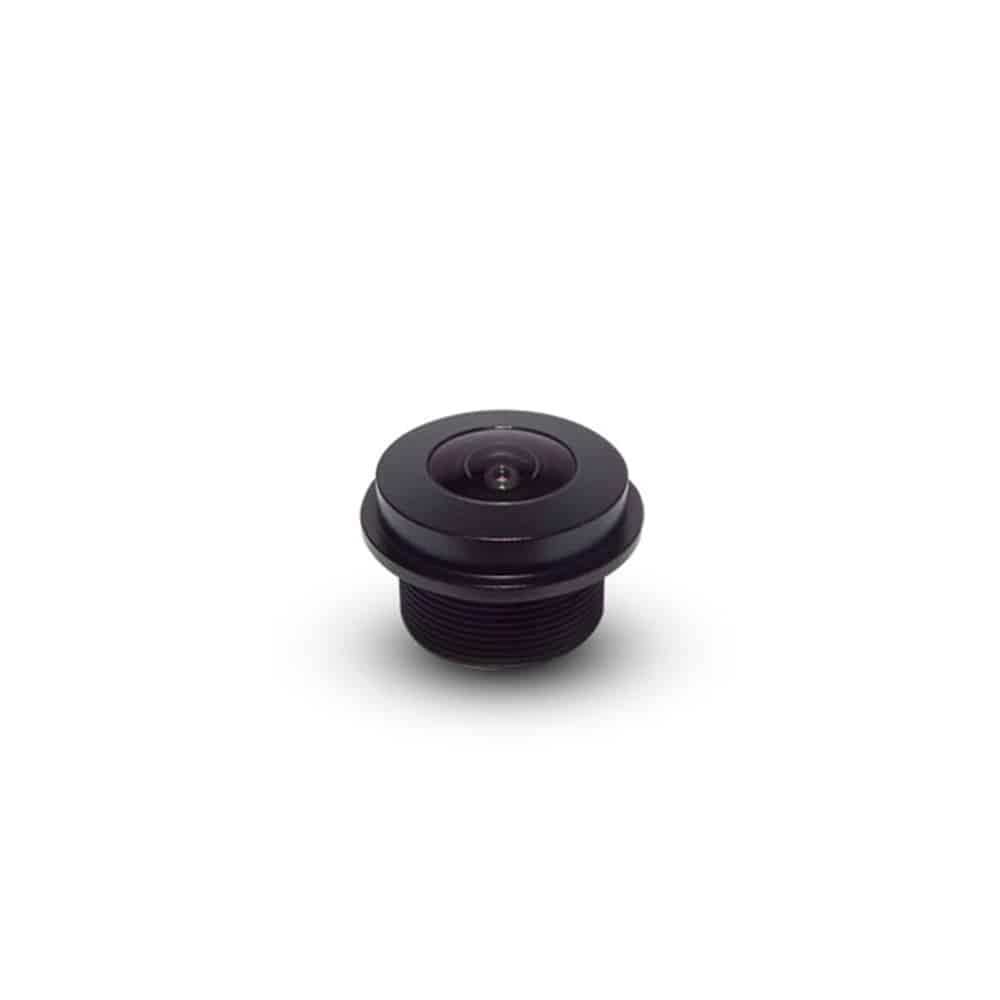
Advantages of Rear View Lens
  • ​​​​​​​​​​​​​High resolution, high cost-effective
  • Horizontal field of view angle of 120° -130°, brings wide observation angle
  • IP69K waterproof grade can effectively prevent the infiltration of external water Suitable for various RVC system
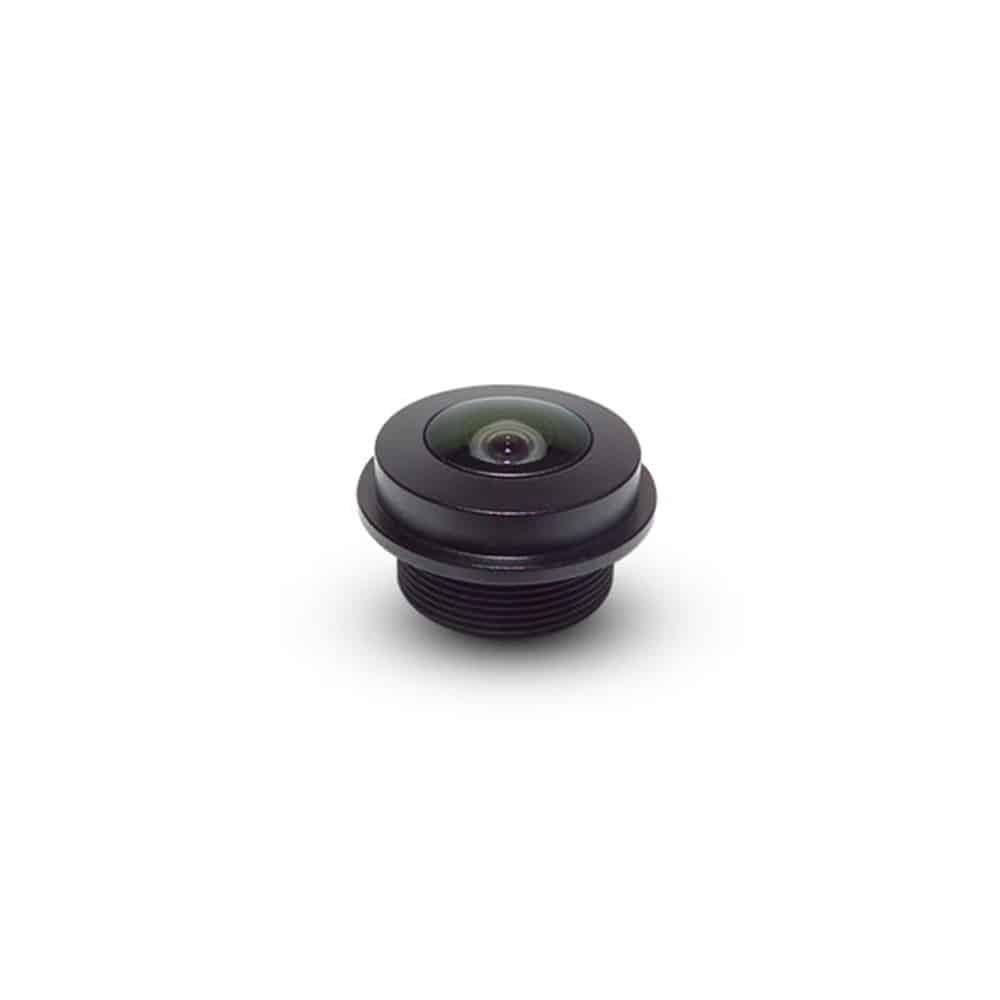
Advantages of Surround View Lens
  • ​​​​​​​​​​​​​Short TTL
  • Excellent consistency
  • Design of compact fish-eye lens
  • Reliable sealing and durability
  • Suitable for AVM system
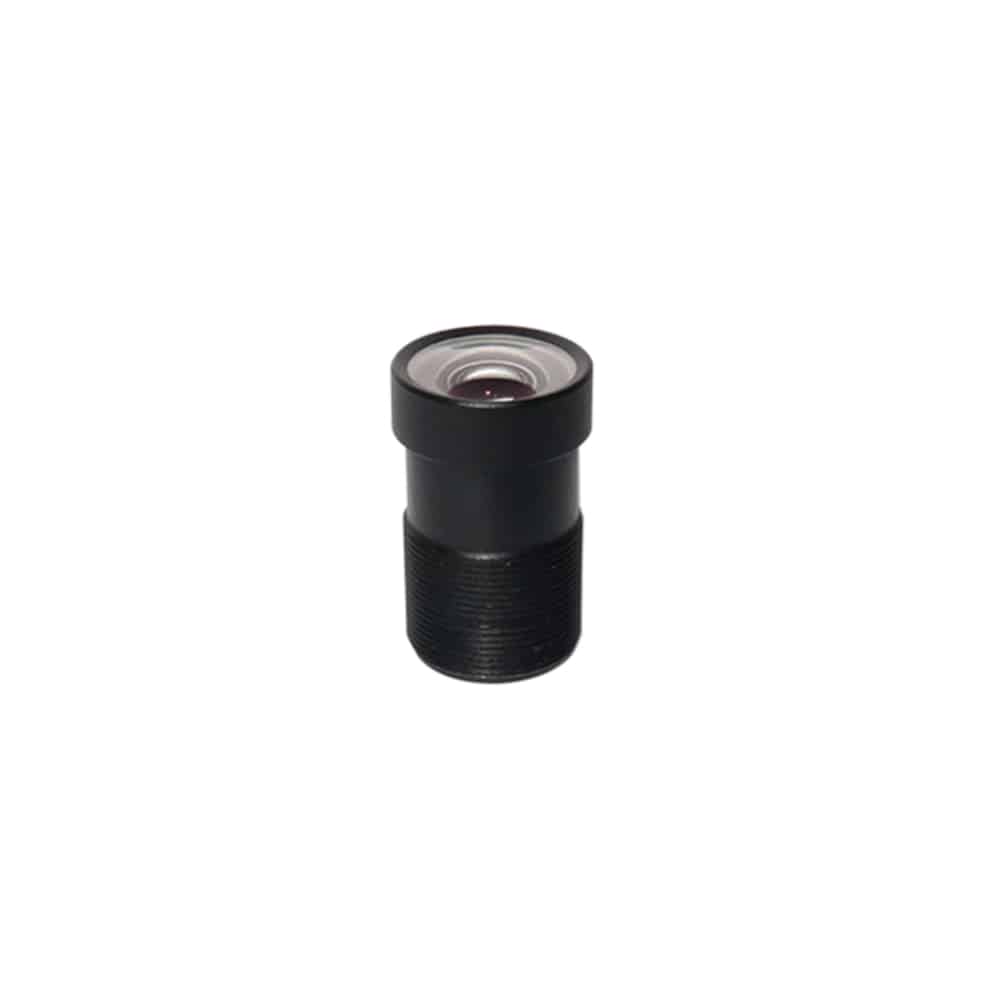
Advantages of Front View Lens
  • ​​​​​​​​​​​​​All glass and all-metal design contribute the excellent performance at high & low temperatures environments
  • High resolution and low distortion benefit from the unique optical design and precision metal machining technology
  • Suitable for the ADAS system
Advantages of Side/Internal View Lens
  • It can be used for the in-cabin driver’s fatigue monitoring
  • The near-infrared designed lens can effectively identify the driver’s undefined facial status in the night driving environment
  • Visible /near-infrared versions are available
  • Suitable for the in-car monitoring system
custom automotive lenses manufacturer

Feature Automotive Lenses

Are You Interested In Customizations?

Customizations Processing?

SUPERIOR® Optics offer several customizations for M12 lenses. Contact us to discuss feasibility, minimum order quantities, and requirements.

  • Custom filters (Bandpass, Dual Notch, etc..)
  • Customized higher F#
  • Barrel mechanical design adjustments (e.g. active alignment, ingress protection)
  • Hydrophobic coating on front optical surface
  • Preassembly with M12 lens holders to reduce anodization debris and tilt
  • Optical data (MTF, EFL, etc..) with serialized unit-level traceability

SUPERIOR® Optics also consider full custom lens designs starting from 15,000pcs.

Download Whitepaper

Pinhole CCTV Lenses

At SUPERIOR® Optics, Looking for recommendations, Trying to figure out where to start, or Want to discuss customizations?

We’re serious problem solvers. When it comes to machine vision systems and components, we know how to tick all the boxes and we guarantee that we’ll get you from concept to completion with little disruption. No matter your project, we have a competent team waiting to assist you.
automotive optical lenses

Automotive Optics News

[! removed shortcode to prevent endless loop blog_box list_layout="1/3" layout_style="grid" use_excerpts="true" pagination="false" list_orderby="date" list_order="DESC" categories="69" show_date="false" show_author="false" show_categories="false" show_comment_numbers="false" hide_featured_images="" featured_image_resize="true" featured_image_max_width="0" featured_image_max_height="0" featured_image_crop="false" item_per_page="6"]