


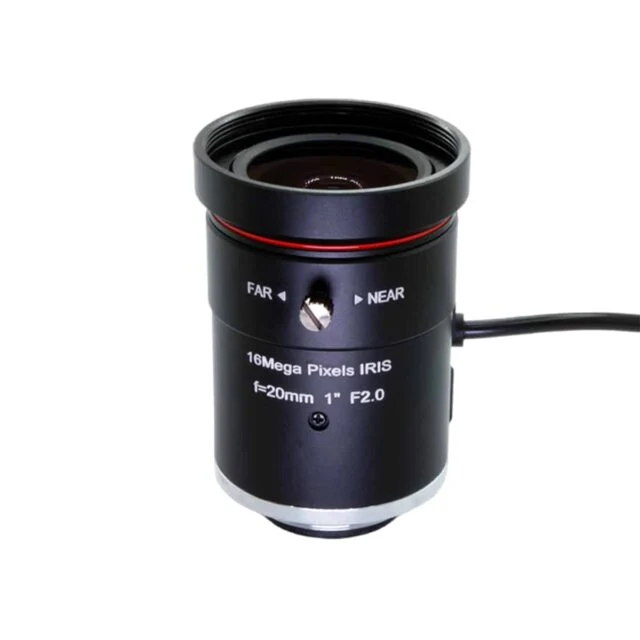
CCTV Lenses
Compare fixed and varifocal CCTV lenses by focal length, sensor coverage, mounting interface and imaging requirements.
ExploreSUPERIOR OPTICS / CATALOG
An optical lens supplier helps camera builders and industrial buyers match imaging optics to sensor, field of view, working distance, and production requirements. SUPERIOR brings CCTV, M12, machine vision, line scan, telecentric, SWIR, pinhole, and fisheye lenses into one catalog, with engineering review available for projects requiring custom optics.
Browse lens families from an optical lens supplier for camera OEMs. Compare sensor coverage, wavelength, mounting interface and application requirements.
Compare fixed and varifocal CCTV lenses by focal length, sensor coverage, mounting interface and imaging requirements.
Explore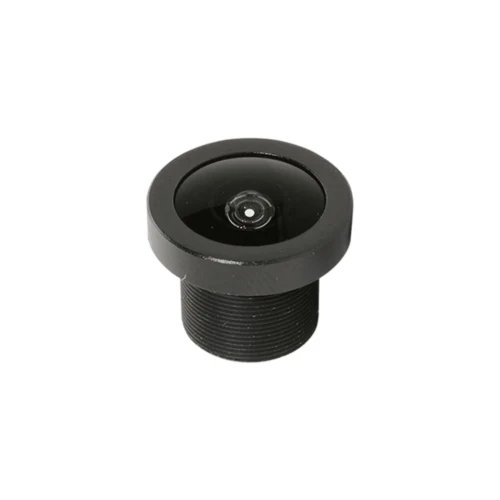
Compact lenses for board cameras and embedded systems. Compare field of view, sensor compatibility, back clearance and mounting requirements.
Explore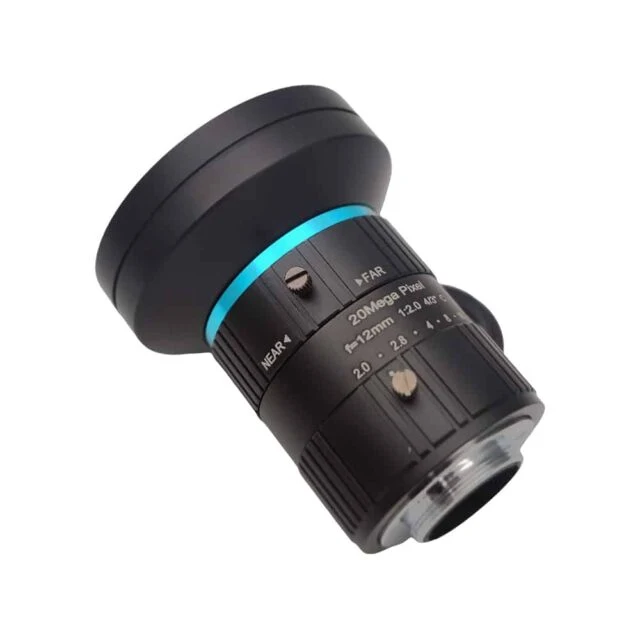
Lenses for industrial inspection and automation. Select by working distance, field of view, sensor coverage and required image detail.
Explore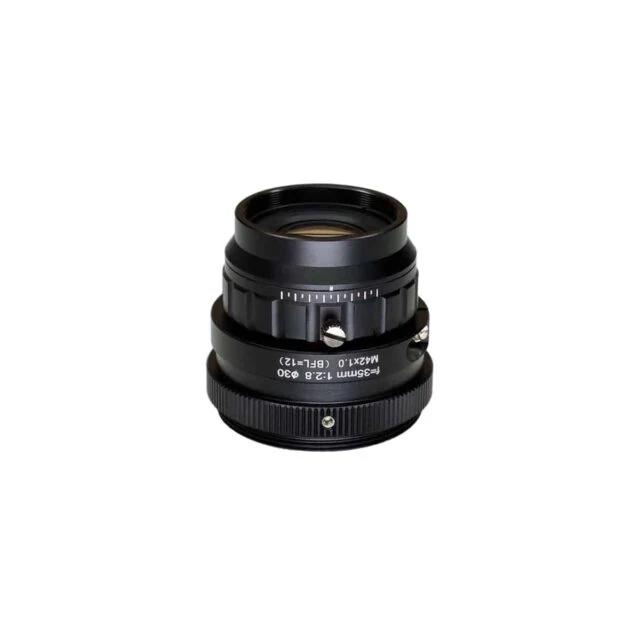
Optics for continuous inspection. Match sensor length, magnification, working distance and illumination to the required inspection width.
Explore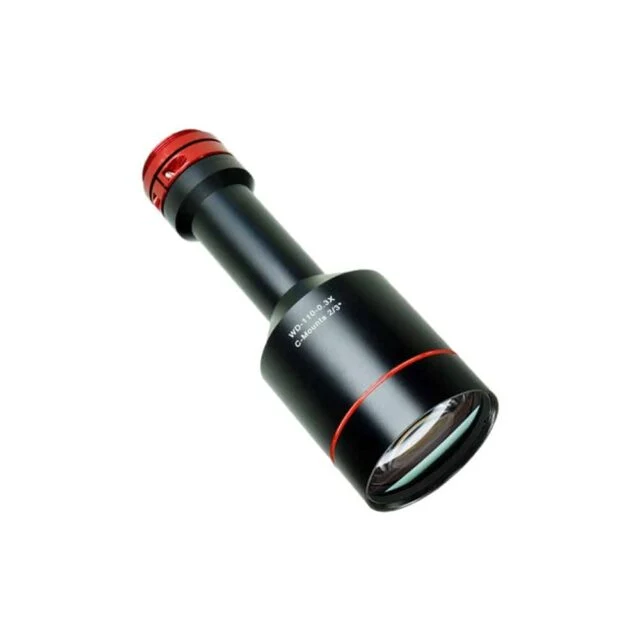
Optics for dimensional measurement. Review magnification, field of view, working distance and sensitivity to changes in object height.
Explore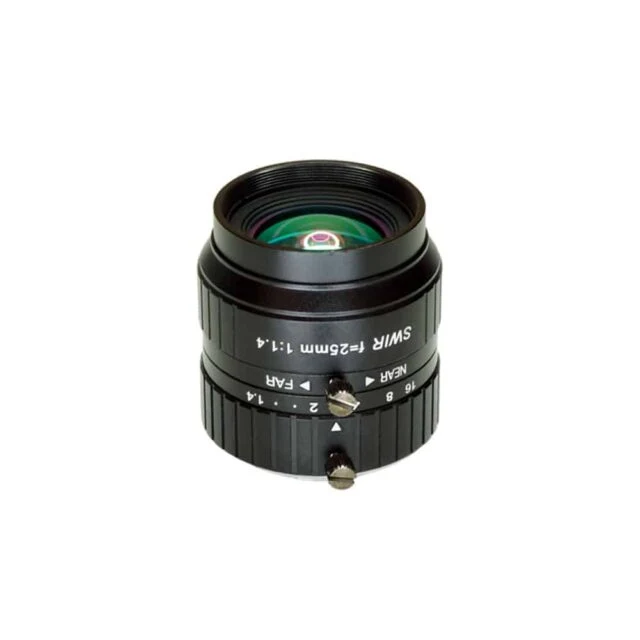
Lenses for short-wave infrared imaging. Match wavelength, transmission, sensor coverage and focus performance to the inspection task.
Explore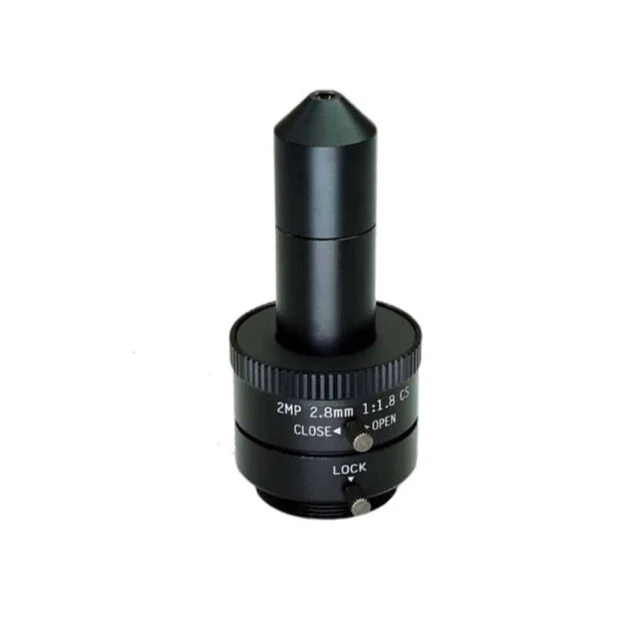
Lenses for imaging through restricted openings. Review entrance geometry, viewing angle, installation clearance and sensor compatibility.
ExploreWide-angle optics for panoramic imaging. Compare projection, field of view, sensor coverage and dewarping requirements before integration.
ExploreShare your application, sensor, field of view, working distance, wavelength and quantity requirements so our team can recommend suitable lens options. The values below are illustrative inputs, not specifications for a particular model.
| Parameter | Selection example / input | Verification required |
|---|---|---|
| Lens family | CCTV, M12, machine vision, line scan, telecentric, SWIR, pinhole, fisheye | Choose by imaging task; families can overlap. |
| Sensor and image circle | Example: 11 mm sensor diagonal; lens image circle at least 11 mm | Verify coverage, corners and pixel-level contrast. |
| Field of view and distance | Example: 100 mm horizontal field at 250 mm working distance | Calculate with actual sensor dimensions and lens model. |
| Wavelength | Visible, near infrared, or a specified SWIR band | Match transmission and focus to the illumination. |
| Procurement inputs | Sample quantity, annual volume, destination and schedule | Confirm model availability, MOQ and lead time by quotation. |
Compare lens specifications under the same sensor, working distance, aperture and wavelength conditions.
Check mechanical drawings, sensor coverage and installation clearance before approving a model.
Evaluate representative samples against documented imaging and inspection criteria.
Review quotation scope, purchasing terms, revision control and expected production demand.
Assess an optical lens supplier using model drawings, defined test conditions and representative sample results. Ask SUPERIOR to identify the manufacturing and inspection steps responsible for your assembly. Agree on an inspection plan and request applicable certificate copies with issuer, scope and validity dates before approval.
Request relevant drawings, test conditions and project-specific inspection evidence.
Explore custom manufacturing, optical design and practical selection guides to move your lens project from requirements to evaluation.
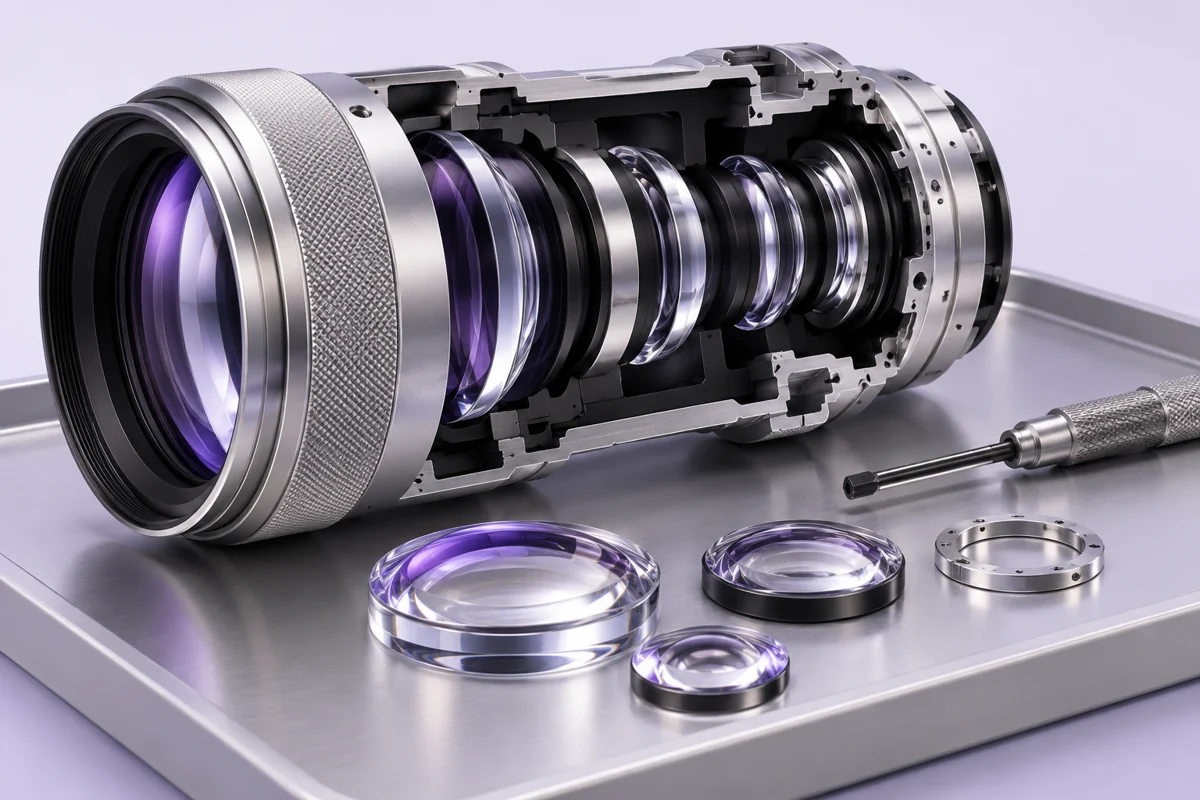
Review custom optical targets, mechanical interfaces, prototype evaluation and production requirements for your camera project.
Explore OEM / ODM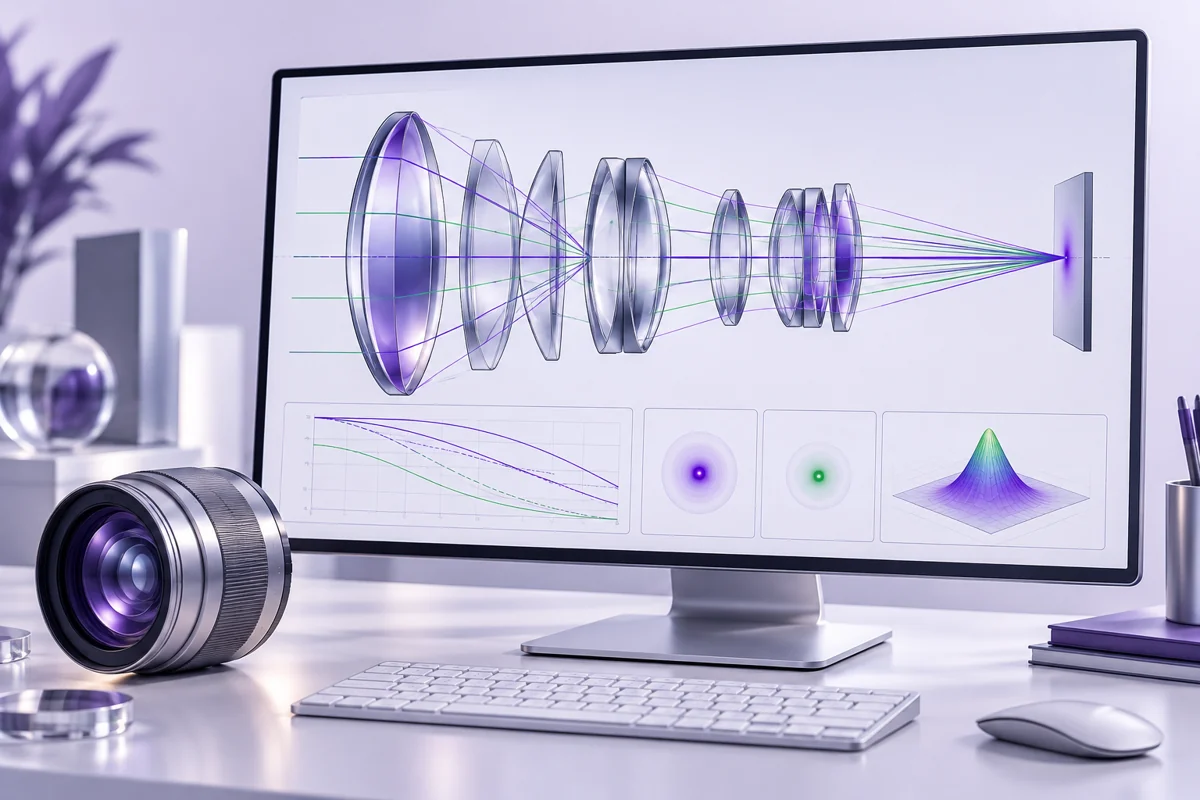
Discuss sensor matching, image quality targets and design feasibility before developing a new lens.
Explore Optical Design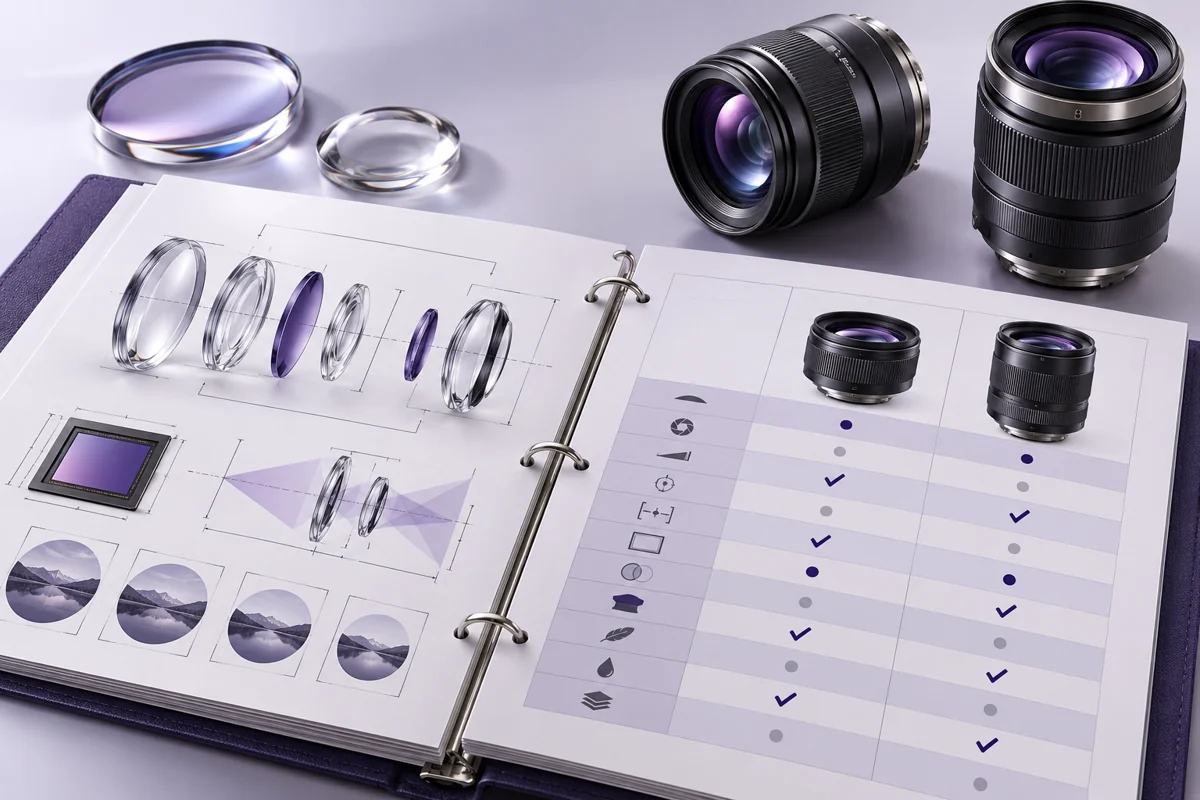
Compare field of view, sensor size, working distance, wavelength and lens specifications using practical technical guides.
Explore Selection GuidesStart with the imaging task, then review the lens family and selection inputs that match your application.
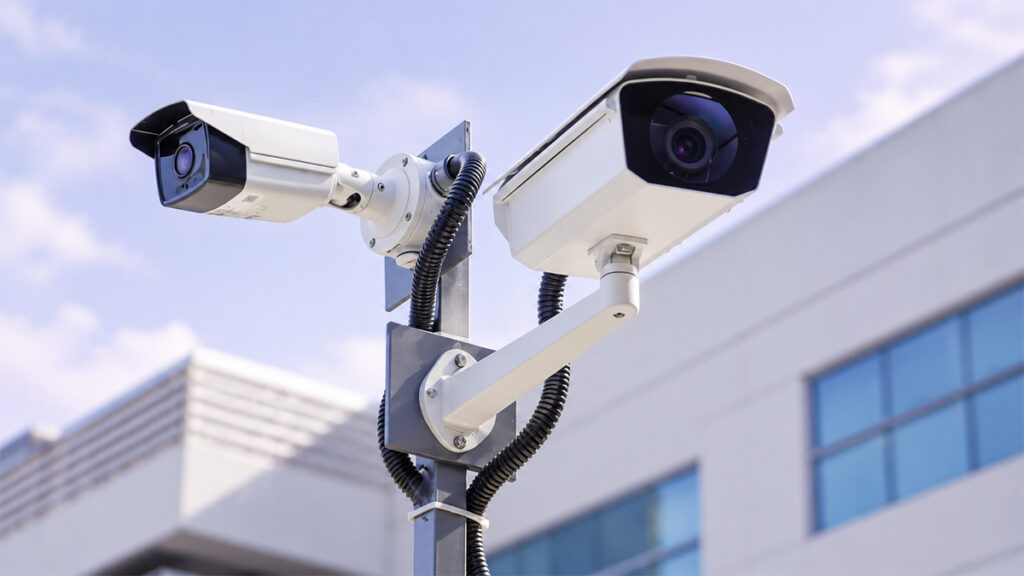
Compare CCTV and security camera lenses for scene coverage, day-night focus, infrared illumination and camera integration.
Explore Security Optics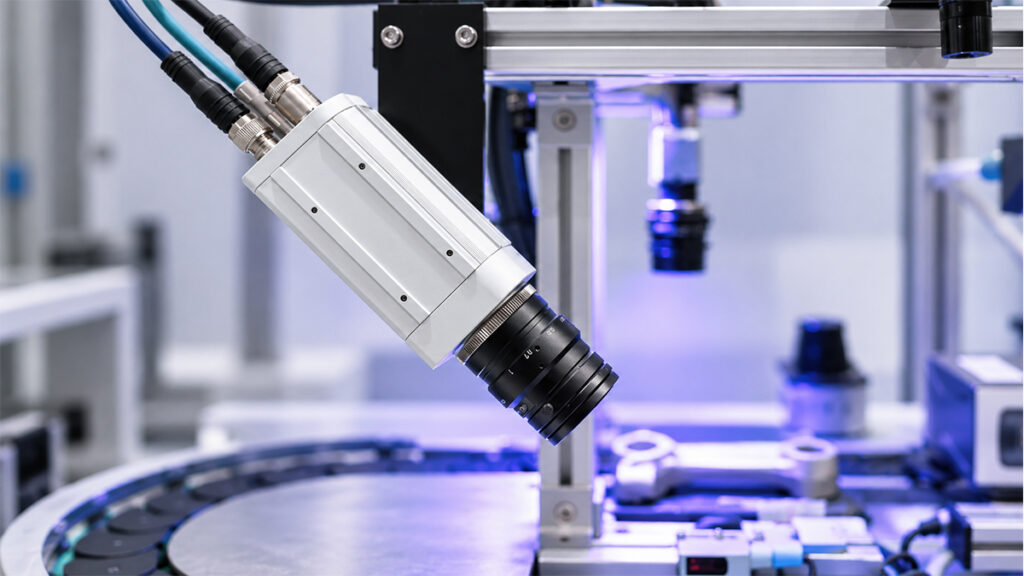
Select machine vision lenses by working distance, field of view, sensor coverage and the detail required for inspection.
Explore Machine Vision Lenses
Match line scan optics to sensor length, magnification, inspection width and the illumination used on moving material.
Explore Line Scan Lenses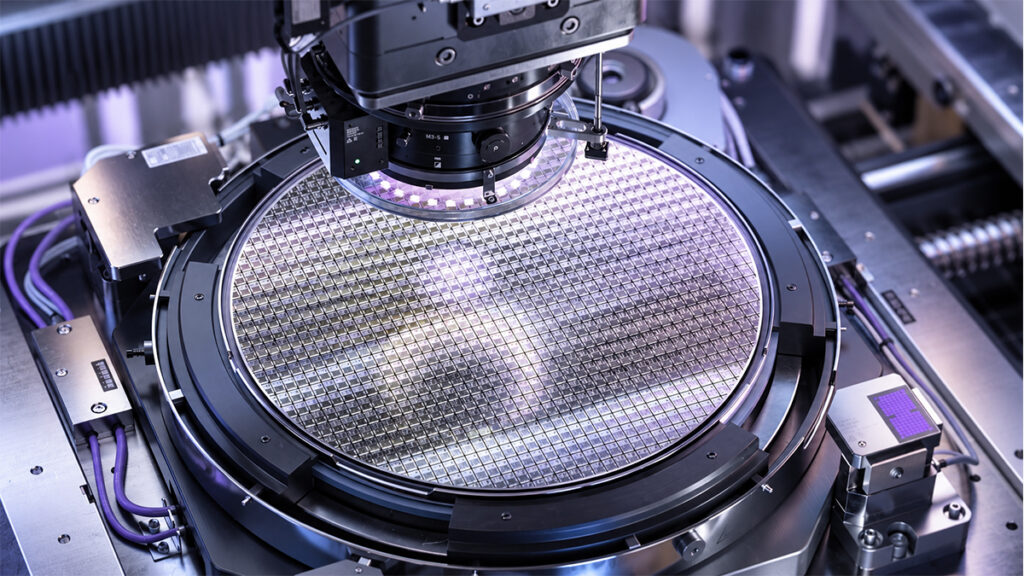
Review SWIR lenses against the operating wavelength, transmission, sensor coverage and focus required for the inspection task.
Explore SWIR Lenses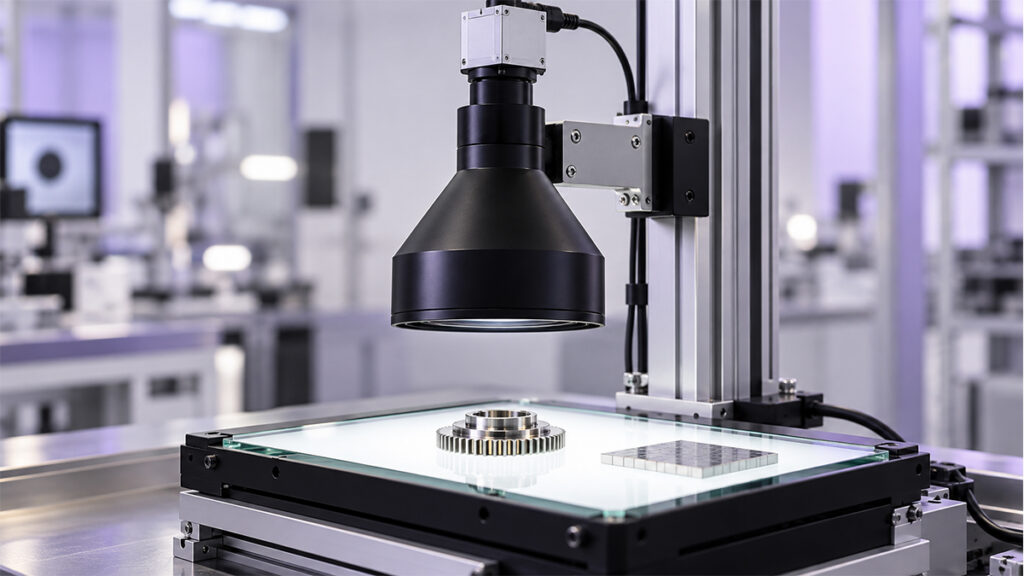
Compare telecentric lenses by magnification, working distance and field of view for calibrated dimensional measurement.
Explore Telecentric Lenses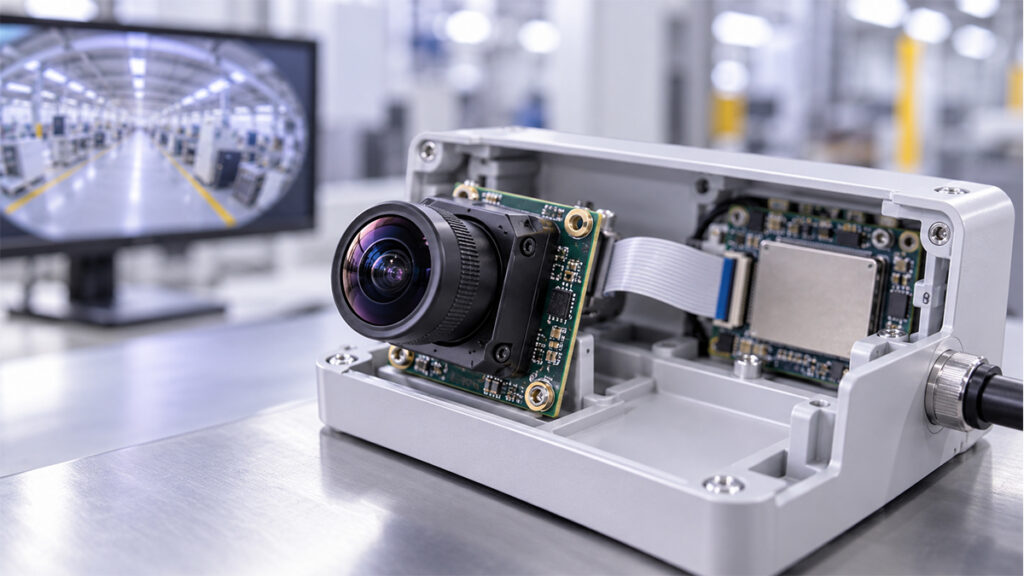
Review M12 and fisheye lens options for compact installation, wide-angle coverage, sensor compatibility and projection requirements.
Explore Compact OpticsBUYER QUESTIONS
Answers to common selection and project questions.
Send each supplier the same sensor drawing, field of view, working distance, wavelength, and acceptance criteria. Compare documented performance under those conditions, then assess samples, commercial terms, and change control.
Yes. M12 describes a mechanical interface, while fisheye describes imaging geometry. A lens can be both. Review its actual specification and avoid assuming that a category label guarantees application compatibility.
Include the model or imaging requirements, sample quantity, expected annual volume, target schedule, and delivery destination. Flag special labeling, packaging, inspection documentation, or distributor requirements before requesting a quotation.
Start with catalog models when their verified optical and mechanical properties meet the requirement. Consider customization when sensor coverage, packaging, wavelength, focus stability, or imaging performance cannot be met through a suitable existing assembly.
PROJECT INQUIRY
Build a practical lens shortlist with an optical lens supplier. Send SUPERIOR your sensor model, imaging task, field of view, sample quantity and expected annual demand to request model recommendations and a project-specific quotation.
Include a model number or the information currently available:
You do not need a complete optical specification to start. Send the information currently available, along with your delivery destination and preferred schedule.