

Match the camera and sensor
Share the camera model, active sensor dimensions and pixel pitch. Confirm image-circle coverage and mechanical clearance before sample approval.
SUPERIOR OPTICS · OEM & B2B INQUIRIES
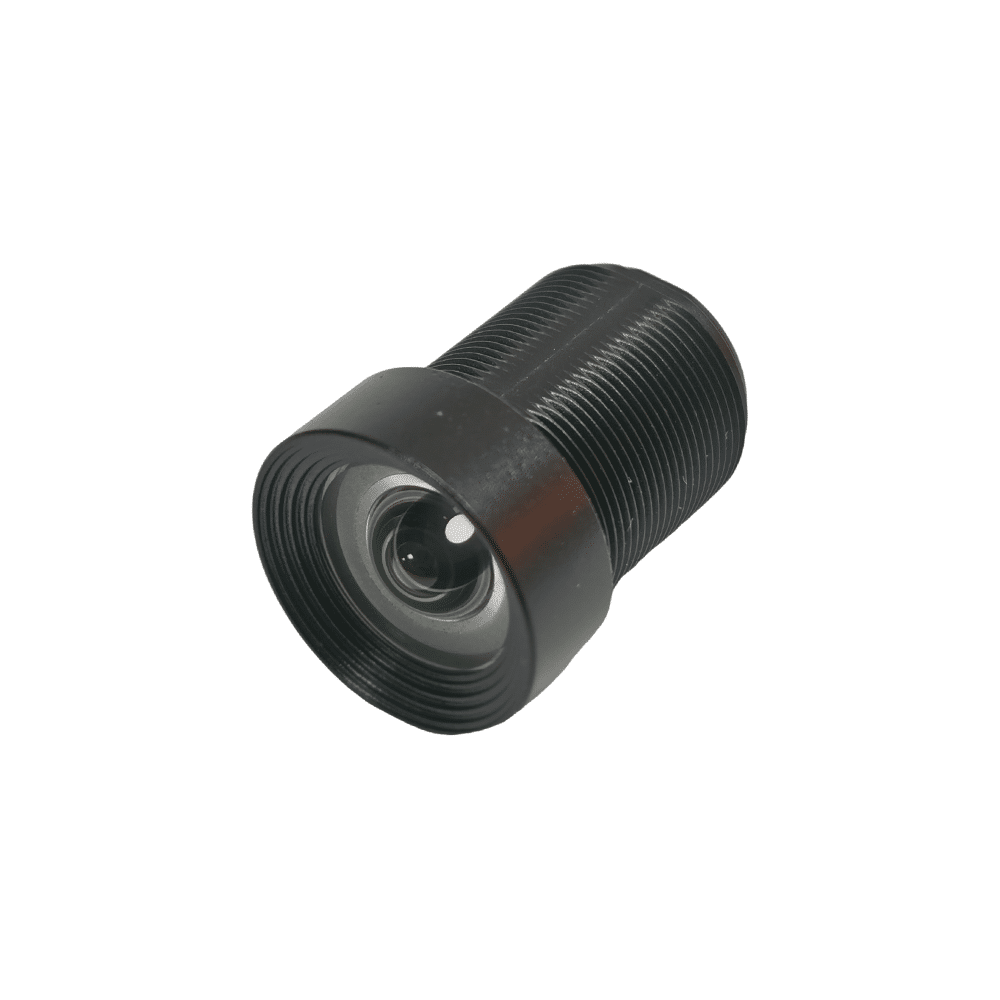
SPD2345B10MP is a 4.55mm low distortion lens with an M12 mount for board camera integration. Review its declared sensor coverage, distortion conditions and mechanical drawing against your camera design. SUPERIOR supports sensor matching, sample evaluation and OEM requirement reviews before you approve the lens configuration for production.
Share the camera model, active sensor dimensions and pixel pitch. Confirm image-circle coverage and mechanical clearance before sample approval.
Define illumination, exposure, target detail and working distance before comparing image quality.
Use a sample to evaluate field coverage, edge detail, distortion and installation. Confirm the approved specification revision for repeat orders.
Lens Selection Support · Custom Lens OEM / ODM Manufacturing
Nominal data for selection. Confirm sensor, aperture, wavelength and test conditions for your application.
Need a confirmed drawing revision, CAD file or performance data for your operating conditions? Include the document request in your inquiry.
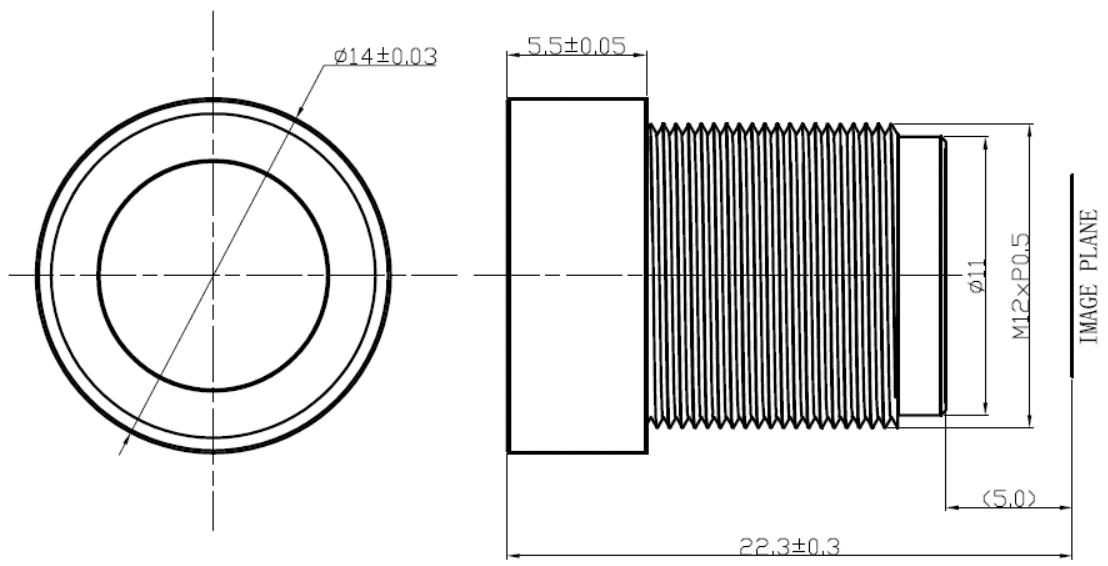
Integrate the SPD2345B10MP 4.55mm low distortion lens with your board camera by checking sensor coverage, chief ray angle, working distance and M12 holder clearance. Use the drawing to check lens-holder engagement, rear clearance and available focus adjustment before assembling a camera sample.
A low distortion lens can help preserve the geometry of objects in an image, but the result depends on the sensor area and test conditions. Request the distortion definition, field position and working distance used for the published value. Evaluate the complete image before deciding whether software calibration is needed.
Consider this lens for compact embedded cameras, document imaging or visual inspection where image geometry matters. Define the target size, required detail and installation distance. Test representative targets under the intended illumination, and confirm that the lens provides suitable coverage and contrast for the camera and task.
For an OEM or distributor inquiry, identify SPD2345B10MP and provide the sensor model, lens-holder design, operating conditions and expected annual demand. Request the current drawing and specification revision. Discuss sample availability and any modification requirements, then agree imaging and mechanical acceptance criteria before planning a volume purchase.
EMVA 1288 provides a framework for characterizing machine-vision cameras and sensors. Use the camera manufacturer's published results to compare sensor response and noise under stated conditions. Evaluate lens distortion, CRA compatibility and image quality separately with the actual camera and optical setup.
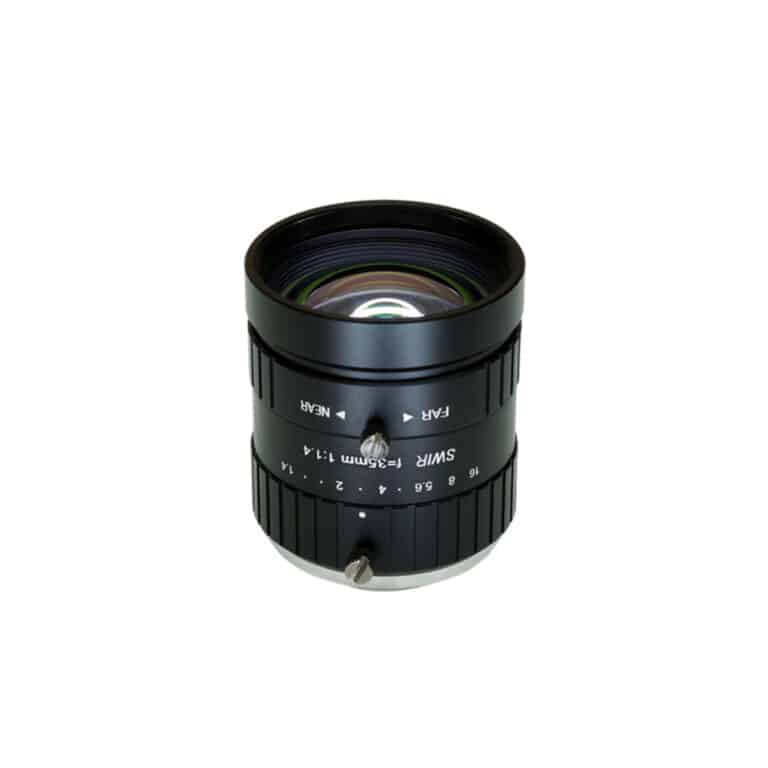
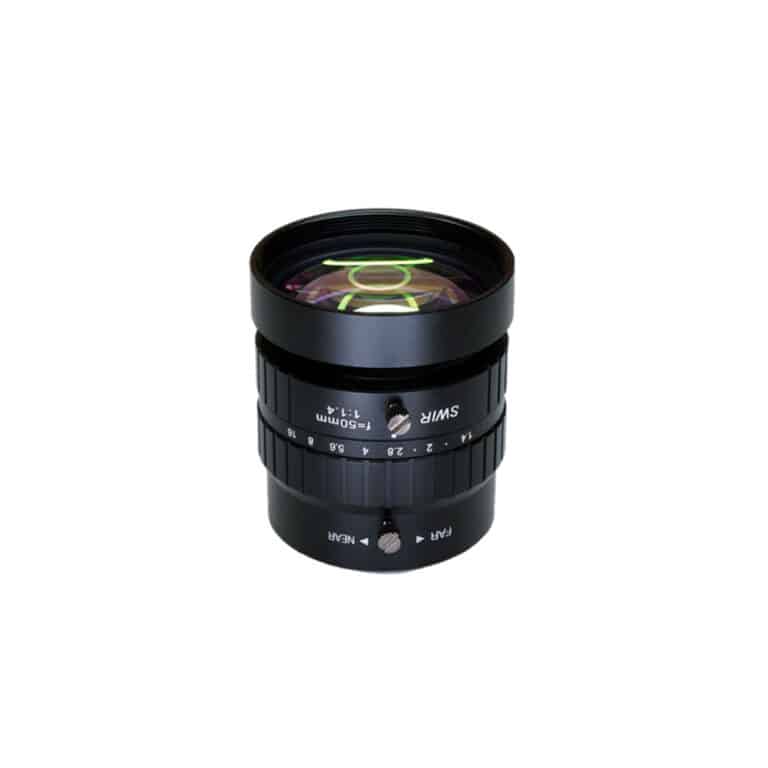
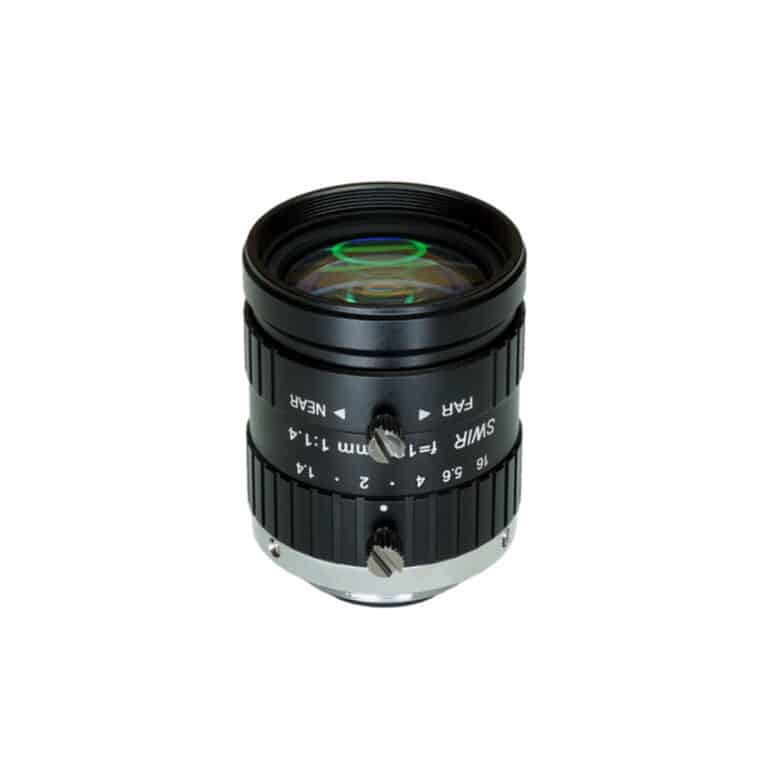
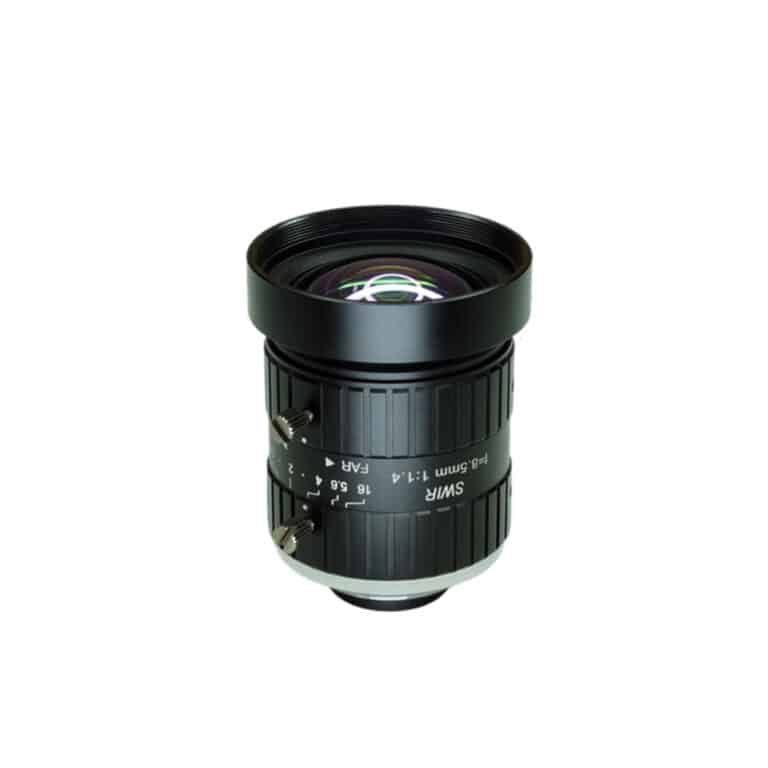
Model: SPD2345B10MP
Send your camera or sensor model, illumination wavelength, working distance, required quantity and project schedule. Ask for compatibility review, sample availability and an OEM quotation.
The lens may suit applications where image geometry matters, but suitability depends on your required accuracy, sensor, working distance and calibration method. Low distortion does not eliminate perspective effects. Evaluate representative targets and consider telecentric optics when object-height variation affects measurement accuracy.
The M12 interface alone does not confirm compatibility. Check the holder thread specification and engagement, sensor coverage, CRA, cover-glass stack, mechanical back focal length and rear clearance. Confirm that the available adjustment can bring the required object distance into focus without contacting the sensor assembly.
Low distortion and telecentricity address different imaging properties. A conventional low distortion lens may still show perspective and magnification changes when object height varies. For dimensional measurement, define the accuracy, object-height variation and calibration method, then review whether telecentric optics are appropriate.
Contact SUPERIOR with model SPD2345B10MP, the sensor model, target detail, working distance, housing constraints and expected quantity. Request current sample availability and a quotation. Changes to the optical design, aperture, filter or barrel require feasibility review and approval of the applicable drawing and sample criteria.