
+86 591 8379 6881

Custom Lens OEM and ODM Manufacturing

SUPERIOR OPTICS / SERVICE

Custom Lens OEM and ODM Manufacturing

Custom lens manufacturing develops or adapts optical components and assemblies to meet specific imaging, mechanical and production requirements. SUPERIOR reviews OEM and ODM lens projects from the application brief through design, prototyping, and production planning, with the scope, acceptance criteria, ownership terms, and commercial commitments established for each approved project.

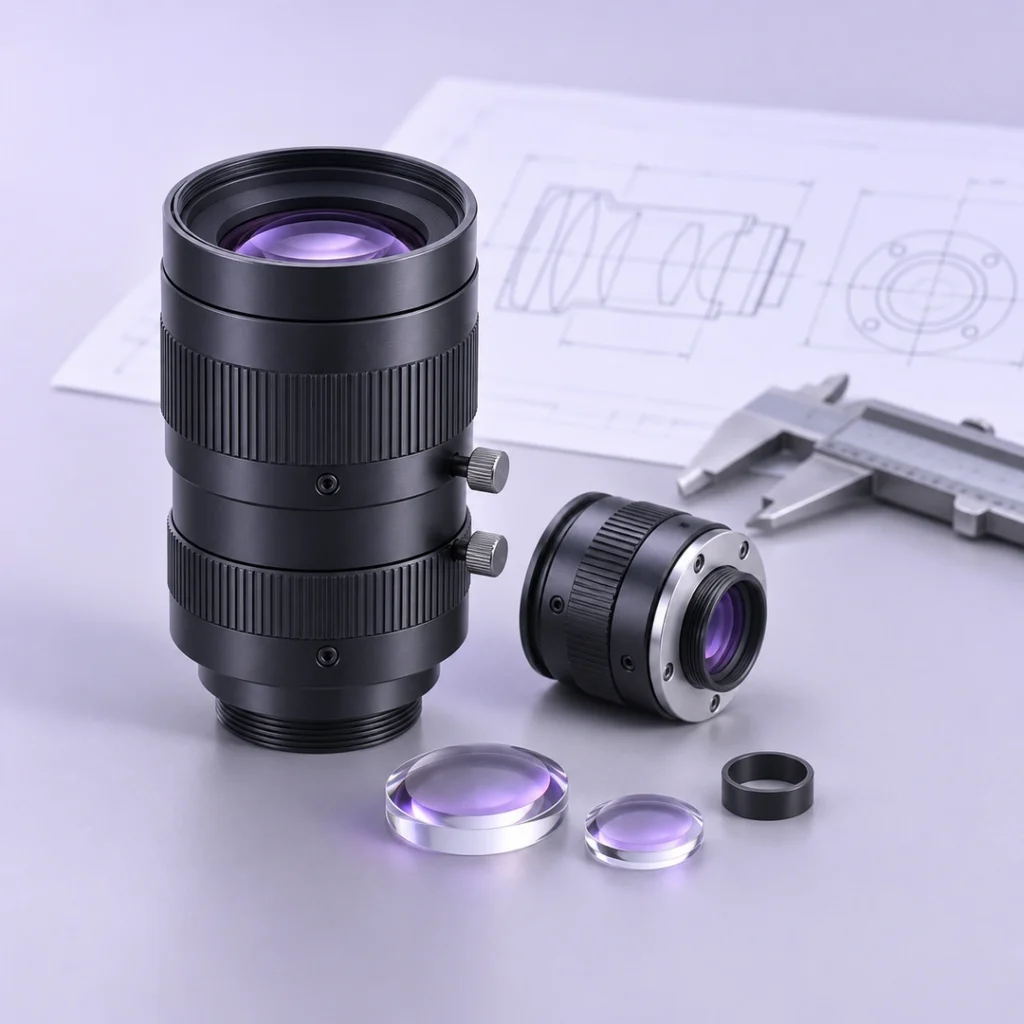
Custom lens manufacturing prototypes and optical elements on a workbench with an engineering drawing

Standard, Modified or Fully Custom Lens?

Before committing to custom lens manufacturing, check whether a catalog lens already fits your camera. Compare an existing catalog model, a targeted modification and a new optical design before committing to development or requesting samples.

Standard Lens

Choose a catalog lens when an existing model meets your sensor coverage, field of view, working distance and mount requirements. Start with a datasheet and evaluate a sample on your camera. Check edge sharpness and vignetting at the intended working distance and lighting before approval.

Browse Lens Catalog
Modified Lens

Start from an existing optical design when its core imaging performance fits but the mount, housing, focus position or spectral response needs adjustment. Share the closest model and what must change so we can review feasibility. Include the target dimensions or wavelength range.

Discuss a Lens Modification

Fully Custom Lens

Choose custom lens manufacturing with a new design when no existing lens meets your combined imaging, spectral or mechanical requirements. Share your sensor, operating conditions, acceptance targets and expected volume so we can define development scope and prototype checks.

Discuss a Custom Lens

Design & Prototyping

Prepare for custom lens manufacturing by translating sensor, imaging and installation requirements into a design you can test. Explore the engineering services that define the optical layout, mechanical fit and prototype evaluation plan.

Optical Design

Define the lens prescription around your sensor format, field of view and working distance. Evaluate trade-offs in resolution, distortion and illumination before selecting a design to prototype.

Explore Design

Rapid Optical Prototyping

Define what the prototype must prove. Review material availability, sample quantity and evaluation conditions before agreeing on a build plan. Set acceptance criteria for the first samples.

Explore Prototyping

Manufacturing and Quality Control

In custom lens manufacturing, the approved sample should represent the configuration that will be built in production. Agree on the drawing revision, test conditions, acceptance limits and inspection records before releasing the first order.

  • Define the Production Baseline

    Identify the approved drawing revision, critical dimensions, optical targets and applicable coating or assembly requirements. Confirm which characteristics need inspection and who is responsible for each check.

  • Review Sample Evidence

    Tie each measurement or image-quality report to the sample ID and drawing revision. Record the test setup and acceptance limits for relevant checks, such as focus, distortion or spectral transmission.

  • Agree on Lot Release

    Define which checks repeat on production lots, how samples are selected and which reports are delivered. Agree on traceability, handling of out-of-spec results and when a change requires requalification.

Confirm which checks and documents apply to your project before ordering.

Key Features and Advantages

Compare the engineering and purchasing decisions that shape a custom lens manufacturing program before you invest in tooling or commit to an order. Define what can be reused, what needs validation and who is responsible for approvals and future changes.

  • Choose the Right Development Route

    Compare catalog performance with your sensor, field of view and mounting requirements. If a standard lens is close, identify which features can stay and which changes justify a modified platform or a new optical design.

  • Resolve Integration Risks Early

    Review the optical targets together with the barrel envelope, mounting datums and assembly tolerances. Confirm which fit and imaging checks should be run on the camera before tooling or production drawings are approved.

  • Separate Development from Production Costs

    For a custom lens manufacturing quote, ask for engineering, tooling and prototype costs separately from the production unit price. Agree on sample quantities and approval criteria so purchasing can compare proposals using the same scope and volume assumptions.

  • Agree on Ownership and Change Control

    Record who controls the drawings, design files and tooling and who can authorize revisions. Agree on confidentiality, notification of material or process changes, and what evidence is needed for reapproval.

Custom Lens Manufacturing: Project Requirements and Deliverables

Use this table to prepare your custom lens manufacturing RFQ and see what each input helps your engineering and purchasing teams agree on. Share the current drawings and identify open requirements so the review can define deliverables, acceptance criteria and what needs further evaluation.

Custom Lens Manufacturing: Project Requirements and Deliverables
Review itemInputs / scopeReview output
Application briefSensor, field of view, distance, wavelength and environmentRequirements baseline and feasibility questions.
Optical performanceMTF, distortion, illumination and spectral targetsAgreed design conditions and acceptance metrics.
Mechanical interfaceMount, envelope, datums, focus and retention methodReviewed integration drawing and interface requirements.
Development scopeExisting-model adaptation, new design, prototype or production transferDefined responsibilities, milestones and change process.
Purchasing requirementsSample quantity, forecast volume, destination and scheduleProject-specific quotation including NRE, tooling and production terms.

Technical Reference

Use ISO 10110-1 as a reference for optical drawing conventions and ISO 9334 for optical transfer function terminology. For custom lens manufacturing, agree on the drawing revision, test conditions and acceptance limits for each performance target.

Lens Selection by Application

The right route for custom lens manufacturing depends on where the lens will be used and what the camera must see. These examples show the integration constraints and test conditions to include in your project brief.

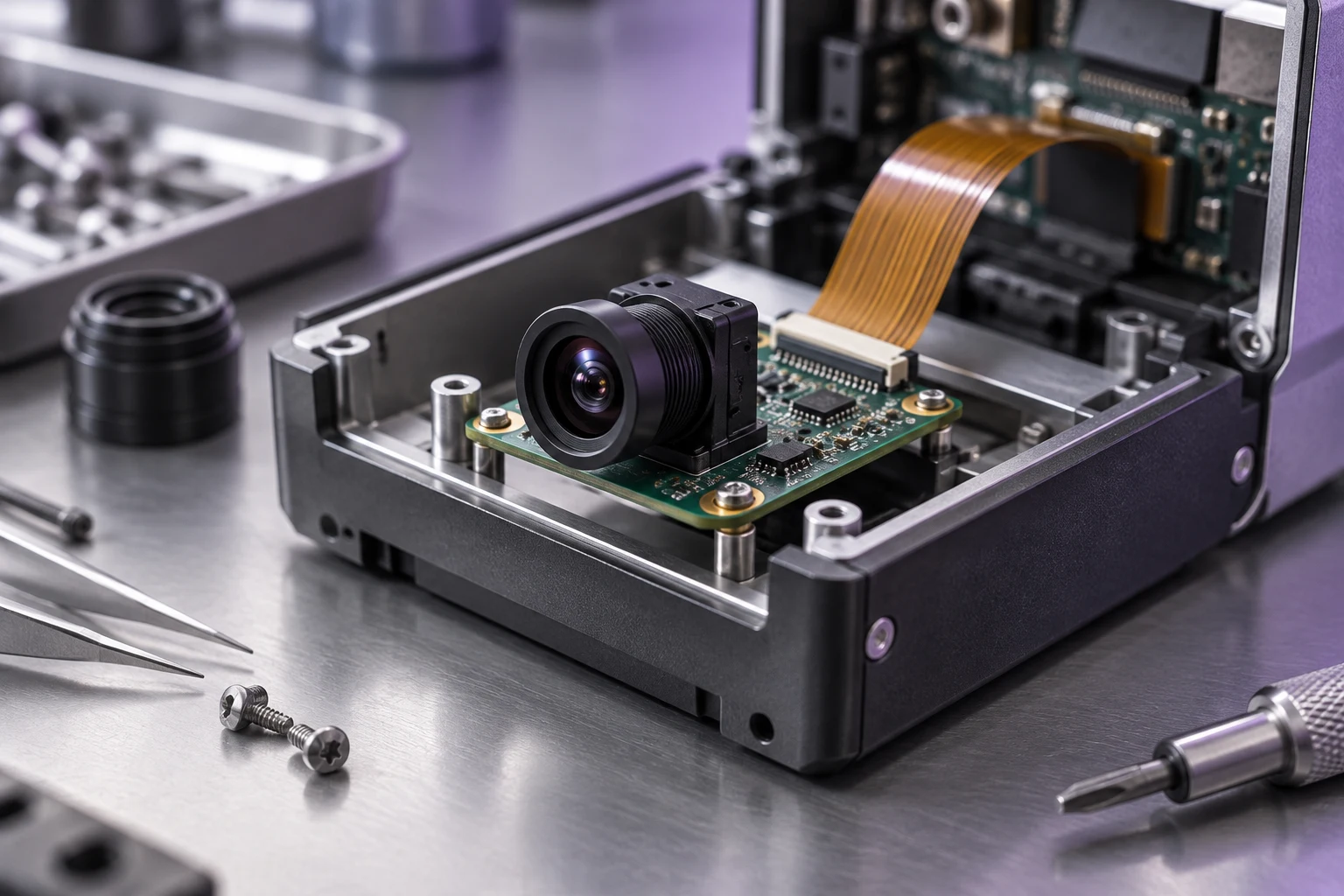
Compact camera lens integrated into an embedded sensor board

Camera OEM Programs

For an embedded or compact camera, share the sensor model, lens mount, enclosure drawing and any cover glass or filter in the optical path. Check sensor coverage, focus and clearance on the intended camera before approving the design.

Explore M12 Lenses
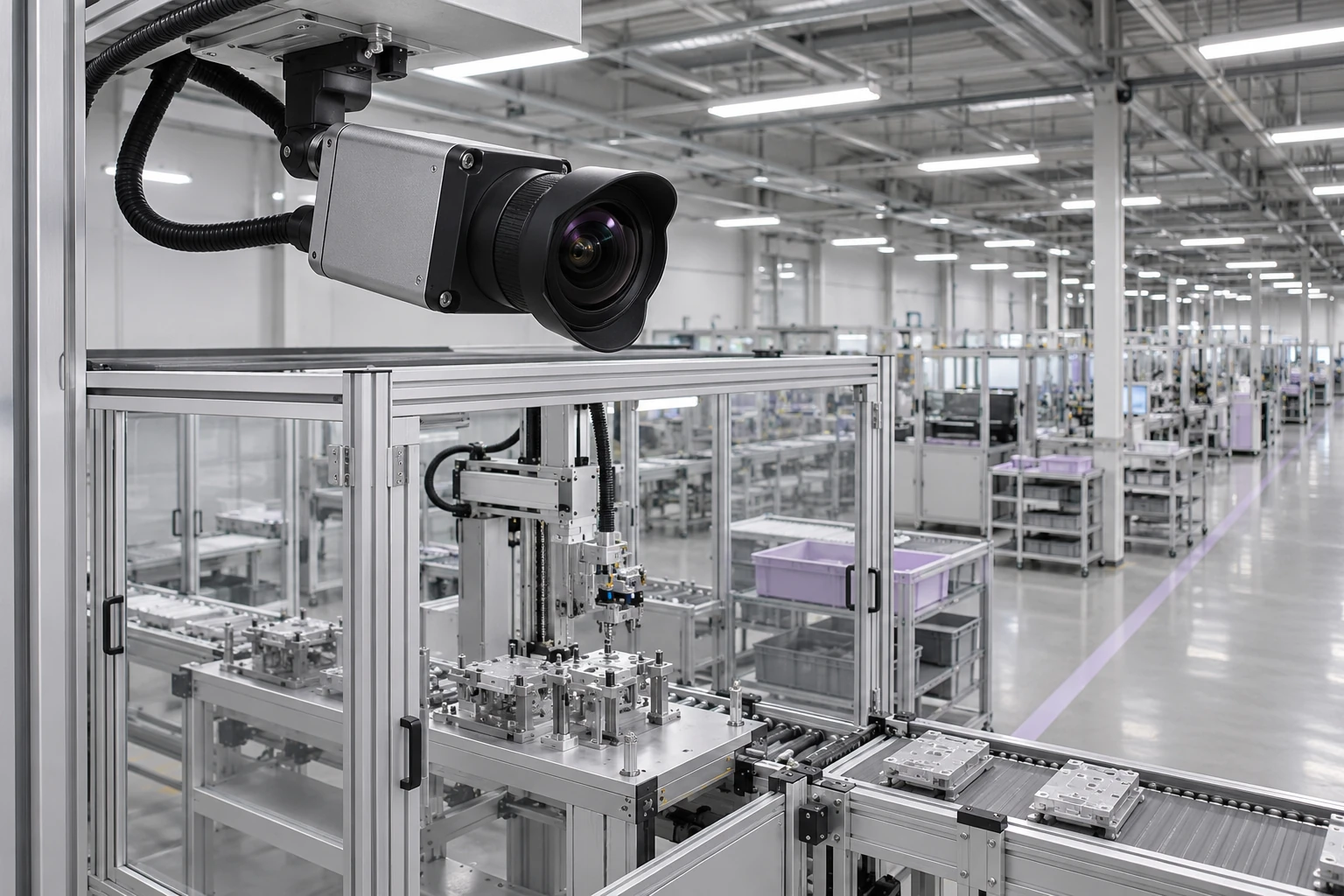
Machine vision camera mounted over an automated industrial line

Industrial Inspection Systems

When specifying custom lens manufacturing for a machine vision station, document the smallest defect to resolve, inspection width, working distance and illumination. Evaluate contrast and distortion across the full field using representative parts and the production setup.

Explore Machine Vision Lenses
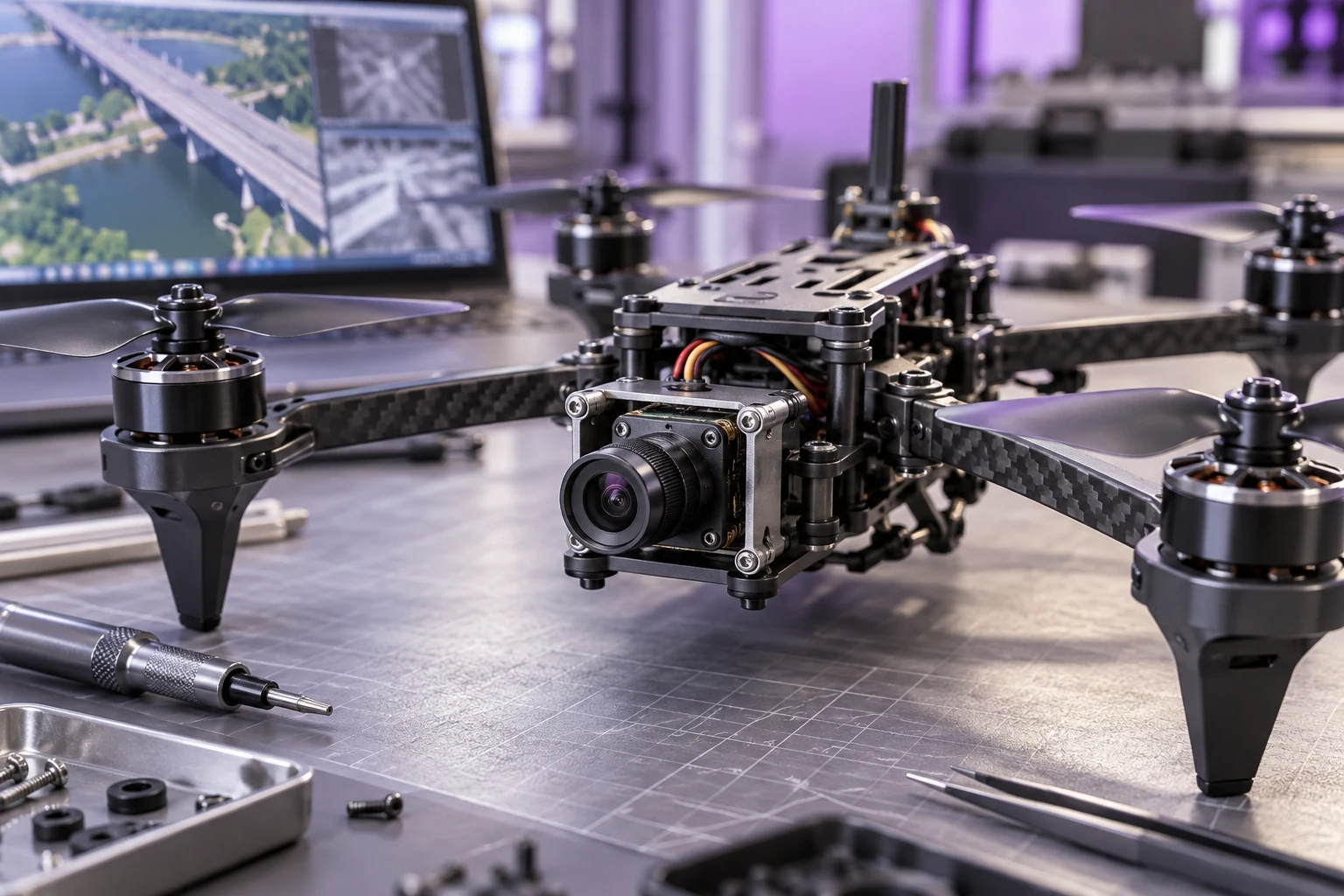
Compact imaging camera mounted on an aerial platform

Specialized Installations

For aerial imaging, furnace observation or restricted access, describe the available envelope and relevant operating conditions. Share the field of view and constraints such as vibration, protective windows or temperature, then define a representative sample test.

Discuss Your Application

Project Review and Approval Workflow

Use four review stages to move from an application brief to an approved configuration for custom lens manufacturing. At each stage, agree on the required inputs, who signs off and what evidence is needed to proceed.

  1. Define Requirements

    Share the sensor, field of view, working distance, operating spectrum and mechanical envelope. Identify the acceptance targets, sample quantity and timing, and distinguish mandatory limits from preferences.

  2. Review Feasibility and Scope

    Compare an existing model, a modification and a new design against the brief. Confirm the proposed route, deliverables, design responsibilities, test methods and any tooling or development costs.

  3. Evaluate Samples and Evidence

    Test samples on the intended camera under the agreed conditions. Compare measurements with the approved limits and document any deviations, corrective actions or revised samples needed for sign-off.

  4. Approve Production and Changes

    Approve the drawing revision, release criteria, inspection records and supply terms. Define who can authorize changes, how affected lots will be identified and when a new sample or test is required.

Explore Products and Engineering Services

Compare catalog lenses, review the design work your project needs, or see how lens components are aligned and verified during assembly.

BUYER QUESTIONS

Frequently Asked Questions

Find answers to common questions about choosing a standard, modified, or fully custom lens. Learn what to prepare for a project review and how samples are evaluated before production.

What is the difference between OEM and ODM lens manufacturing?

OEM commonly follows buyer-defined requirements or drawings, while ODM may include supplier design responsibility. Usage varies, so define who owns the design, who validates it, and which deliverables and rights are included in the contract.

When is a custom lens justified?

Consider it when a suitable existing assembly cannot meet the optical performance, sensor coverage, package, wavelength, or environmental requirement. Compare development cost, validation effort, forecast volume, and supply needs before approving a new design.

What are the MOQ and lead time for custom lens manufacturing?

They depend on design complexity, materials, tooling, validation, and quantity. Request separate schedules and prices for development, prototypes, and production. Confirm all commitments in the quotation rather than assuming one standard MOQ or delivery period.

Who owns the optical design and tooling?

Ownership is contractual. Agree on intellectual property, prescription and drawing access, tooling ownership, confidentiality, exclusivity, revision control, and transfer rights before development begins. Do not infer these terms from an OEM or ODM label.

PROJECT INQUIRY

Request a Project Review and Quote

Request a feasibility review for custom lens manufacturing. Send the application brief, optical targets, drawings, prototype quantity, annual volume, and target schedule. Request a proposal covering technical scope, validation, development charges, and production terms.

Prepare Your Lens Inquiry

Include a model number or the information currently available:

  • Application and sensor details
  • Field of view, working distance and wavelength
  • Sample quantity or expected annual volume
  • Delivery destination and preferred schedule
Contact SUPERIOR

You do not need a complete optical specification to start. Send the information currently available, along with your delivery destination and preferred schedule.