


SUPERIOR OPTICS / WHY SUPERIOR
Why Choose SUPERIOR Optics for Your Lens Project?
SUPERIOR Optics helps camera brands, distributors and OEM teams compare lens options, plan sample evaluations and agree on what needs approval before production. Start with your camera and imaging requirements, then decide which specifications, test results and commercial terms your team needs to review before placing an order.
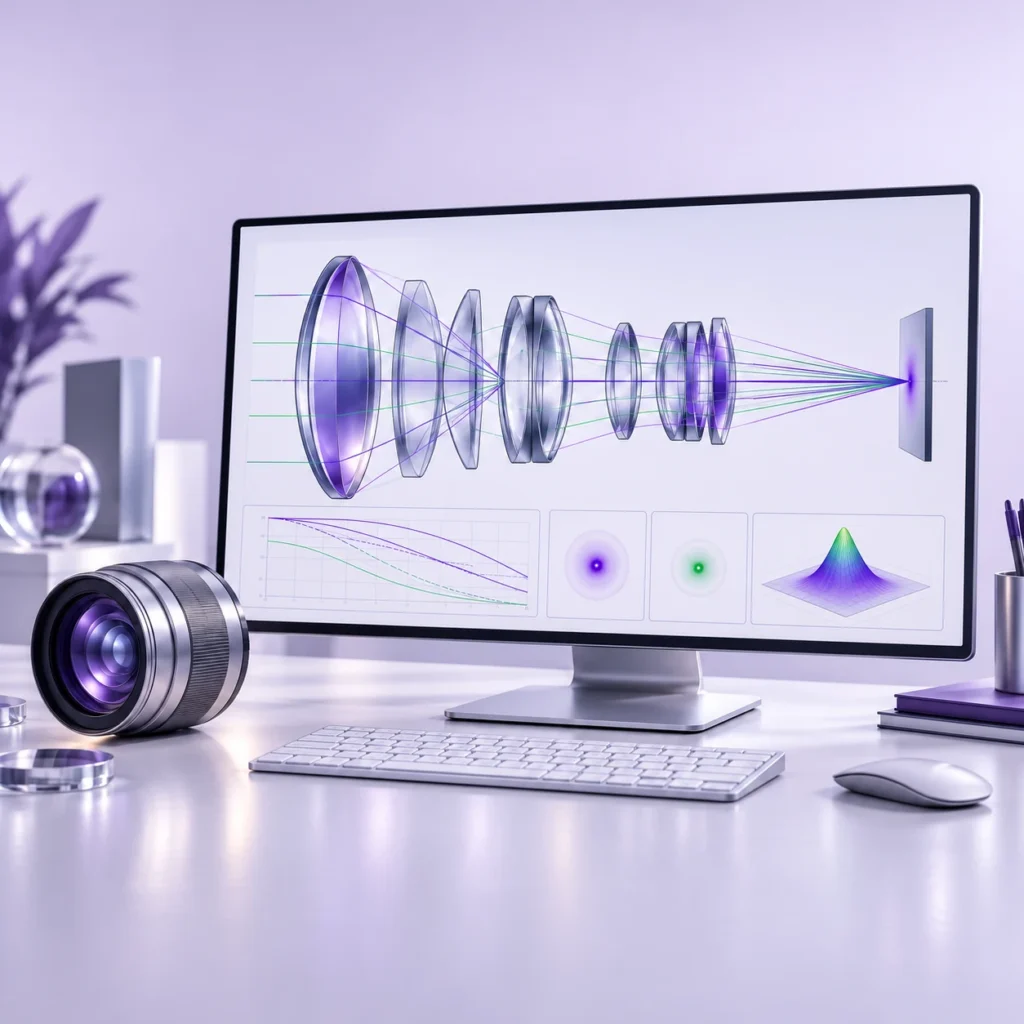
Make Three Decisions Before You Commit
Start with one project brief so engineering and procurement can compare lenses against the same sensor, field of view, working distance and mounting constraints. Then decide what the sample needs to prove in your camera. Before ordering, check that the quotation reflects the approved lens configuration, inspection requirements and expected quantities.
Compare options against one brief
Give engineering and purchasing the same requirements so they can compare lenses on fit, imaging performance and project scope.
Define a useful sample test
Decide which performance gaps to check on the camera and what evidence will support approval.
Carry the agreed scope into the order
Identify the revision, inspection expectations and commercial assumptions to confirm before production.
FROM BRIEF TO ORDER
Six Steps From Lens Selection To Production
Begin with the image your camera needs to capture, then decide whether a standard lens, a modification or a custom design fits the job. Agree on sample test conditions and review which manufacturing and inspection steps apply. Before placing a production order, confirm the approved revision, acceptance criteria, quantities and commercial terms.
Match the lens to the application
Start with the sensor, field of view, working distance, lighting and mount. Compare candidate lenses against those requirements and identify any gaps that need an engineering review or a sample test.
Choose the right design route
Evaluate a standard lens first. If a specific requirement remains unmet, discuss whether a modification is feasible or a custom design is needed. Confirm which specifications would change and what would need to be tested again.
Agree on what the sample must prove
Define the test conditions and pass criteria before evaluation. When reviewing sample images or measurements, record the sensor, illumination and working distance where relevant, and ask what the results do and do not show.
Ask for manufacturing and quality evidence
Confirm which fabrication, coating, assembly and inspection steps apply to your lens and who performs them. Ask which facility photos, equipment details or inspection records can be shared for the proposed process.
Carry the approval into production
Before placing a production order, confirm the approved drawing revision, acceptance criteria and required batch records. Agree on how proposed changes will be communicated and when they trigger a new review.
Confirm the commercial terms
Use your sample quantity, expected order volume and target schedule to discuss sample costs, minimum order quantities, lead times and quotation terms. Confirm the applicable terms for your project before committing.
What To Verify Before Approval
Ask which records are available for the proposed lens and whether they apply to the same revision and configuration. Document any open items before approving samples or releasing an order.
| Decision | Evidence to review | What to confirm |
|---|---|---|
| Shortlist a lens | Model specification and dimensional drawing | Coverage, mount, clearance and any gap against the brief. |
| Approve a sample | Sample images or measurements with test conditions | Sensor, illumination, working distance and applicable acceptance criteria. |
| Review manufacturing scope | Applicable process description and inspection records that can be shared | Which operations apply, who performs them and what is checked. |
| Release an order | Approved revision, applicable batch records and quotation | Acceptance criteria, change communication, MOQ and lead time. |
BUYER QUESTIONS
Questions Before You Request A Quote
Confirm the scope of the evaluation and the terms that apply to your lens project.
Do I need a finished specification to start?
No. Share the sensor, imaging task and the constraints you know. Flag any open requirements so they can be discussed before a lens or sample is selected.
When should I consider a custom lens?
Review an existing model first. If a key requirement cannot be met, discuss whether an adjustment is feasible or whether a new design and a separate evaluation plan are needed.
Are MOQ and lead time fixed?
Confirm both in the project quotation. The proposed configuration, sample scope, quantity and inspection needs can affect the terms.
NEXT STEP
Send Us Your Lens Brief
Tell us what the camera needs to capture, the sensor and mount you use, and your expected sample quantity and production volume. Include your target schedule and the evidence your team needs to approve the lens.
- Based inFuzhou, Fujian, China
- Emailsales@superiorcctv.com
- Phone+86 591 83796881
Prepare Your Lens Inquiry
Include a model number or the information currently available:
- Application and sensor details
- Field of view, working distance and wavelength
- Sample quantity or expected annual volume
- Delivery destination and preferred schedule
You do not need a complete optical specification to start. Send the information currently available, along with your delivery destination and preferred schedule.