
M12 Catalog vs Custom Lenses: Justifying Development for OEM Cameras
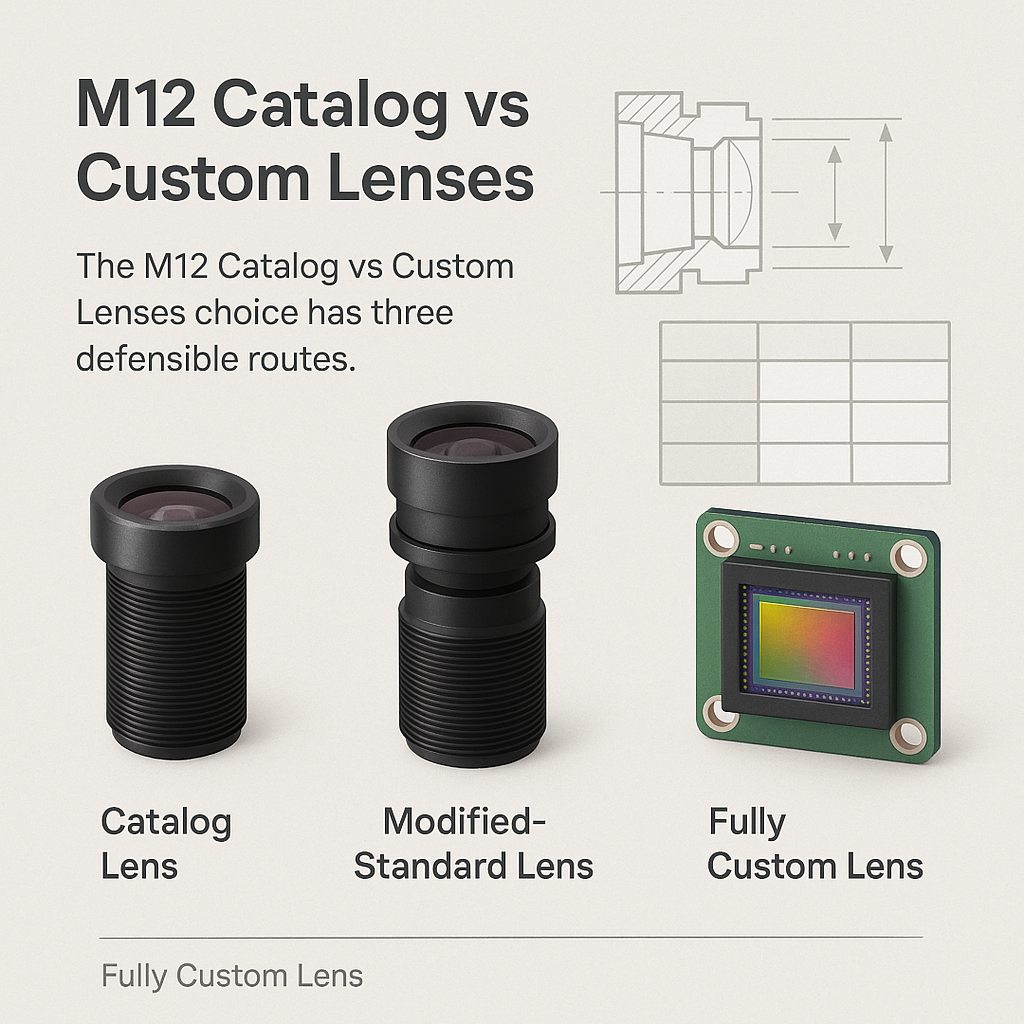
A requirements-based framework for deciding whether an OEM camera needs a catalog, modified-standard or custom M12 lens—and what evidence should support the investment.
SUPERIOR OPTICS BLOG
Explore the SUPERIOR optical lens blog for practical selection guides, engineering insights, and application notes. Find guidance on sensor compatibility, focal length, field of view, spectral performance, and custom lens requirements for your imaging project.
A requirements-based framework for deciding whether an OEM camera needs a catalog, modified-standard or custom M12 lens—and what evidence should support the investment.
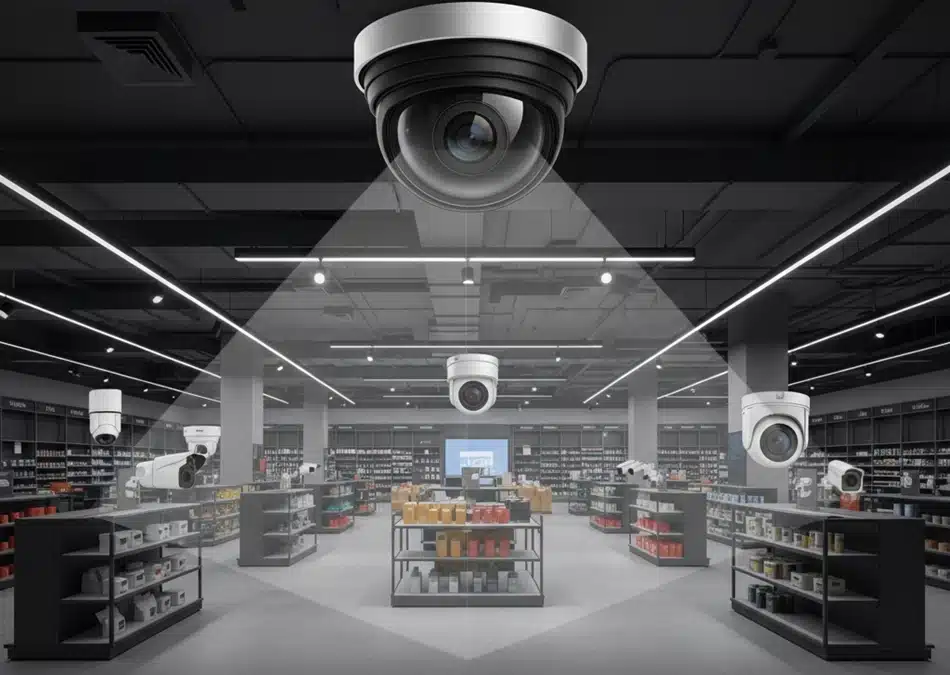
Focal length, field of view, resolution, and day-night performance. How to choose a lens for your surveillance system.
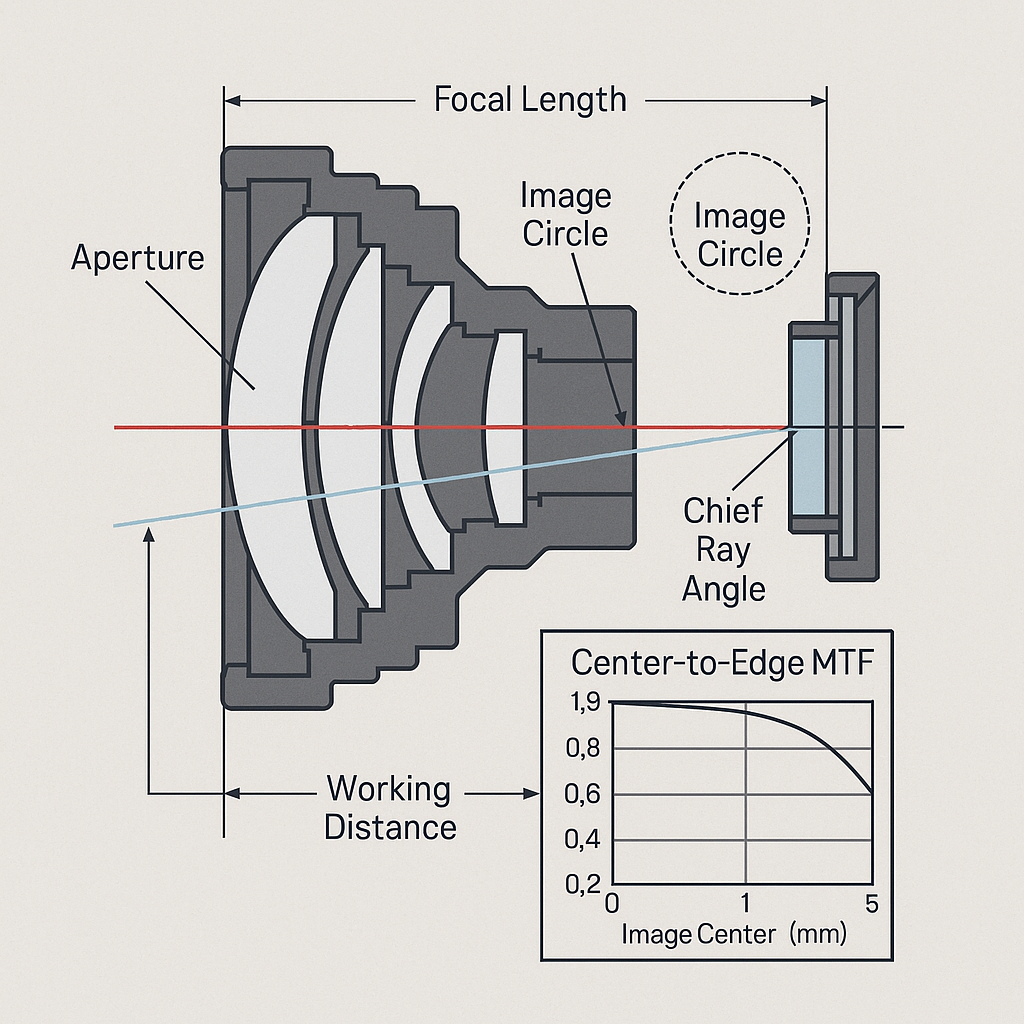
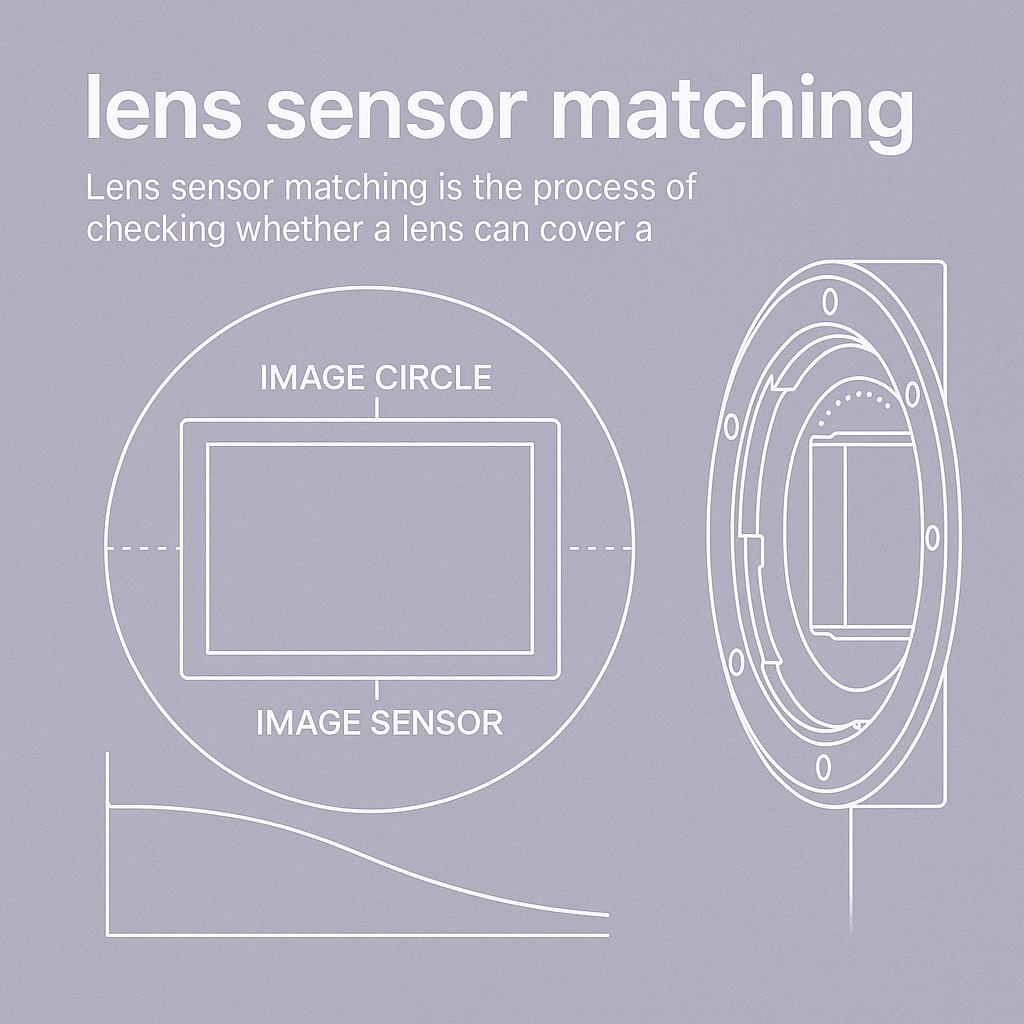
A camera-first guide to matching image circle, pixel pitch, field performance, chief ray angle and mechanical integration before approving a lens.
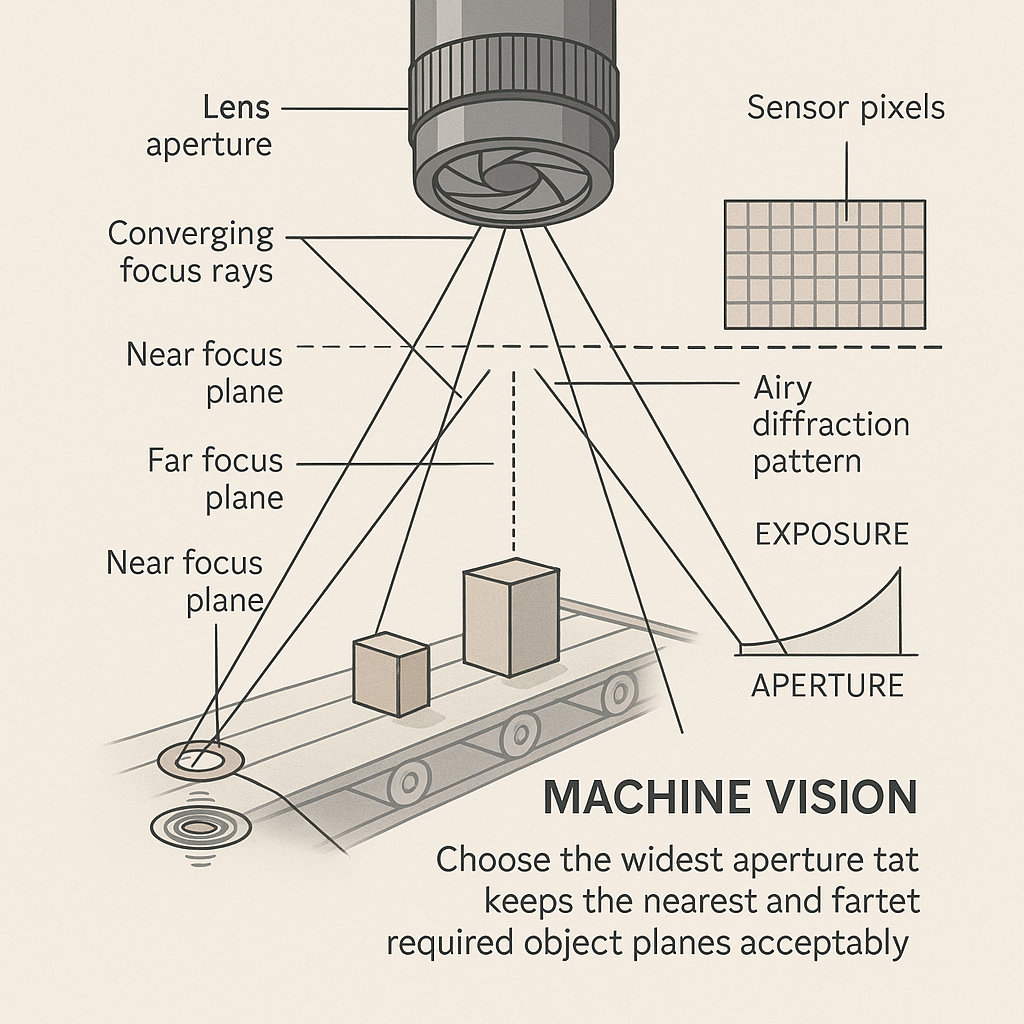
A practical method for selecting an aperture range that covers part-height variation without sacrificing feature contrast, exposure margin, or production speed.
A buyer-focused comparison framework for focal length, aperture, MTF, distortion, field illumination and transmission, with condition-controlled sample checks.
Working distance, sensor compatibility, distortion, and image detail. Practical lens guidance for industrial inspection and automation.
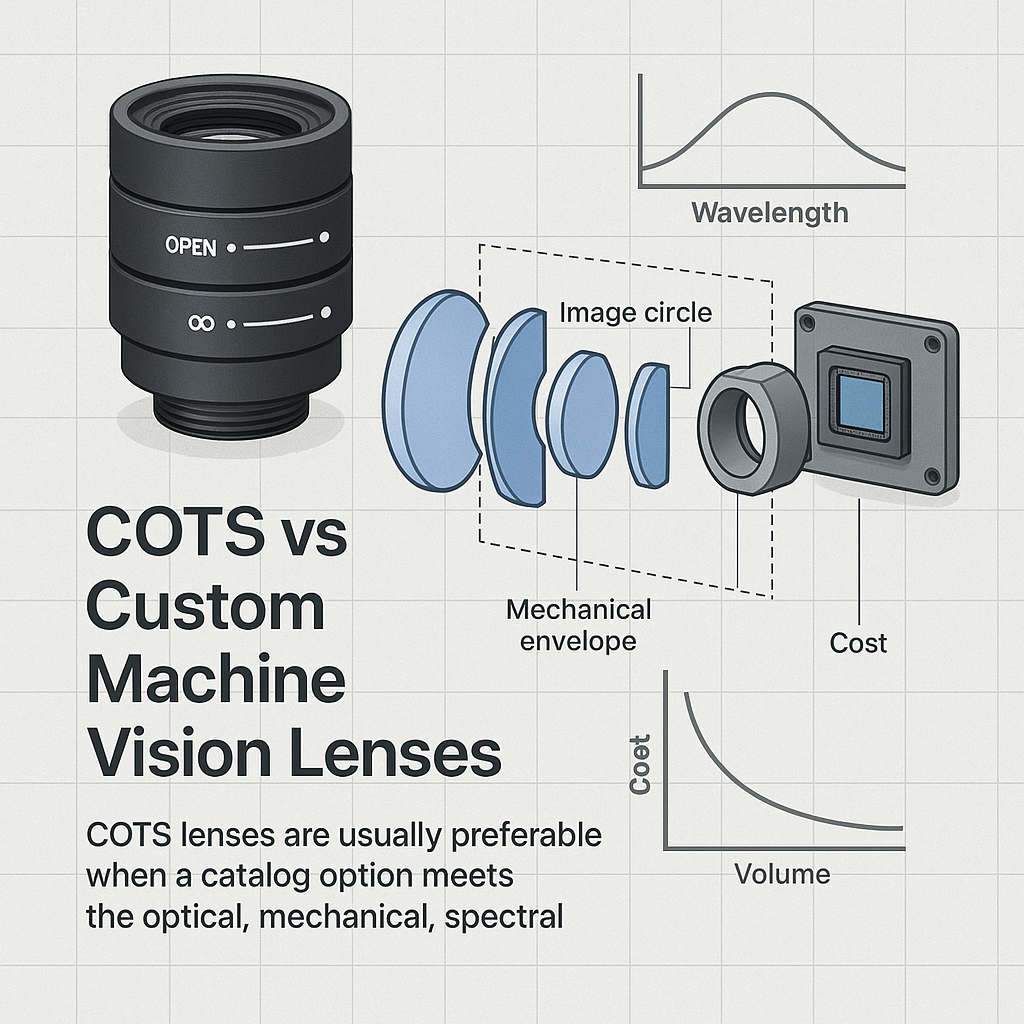
A buyer-focused framework for deciding whether a catalog machine vision lens, modified standard assembly or fully custom optical design offers the lowest…
A production-focused framework for evaluating lens suppliers through controlled optical data, drawings, quality systems, validation evidence, capacity and change control.
A production-focused RFQ framework for aligning optical, mechanical, quality, commercial and supply-chain requirements before machine vision lens suppliers quote.
Focal lengths, sensor formats, mounting, and focus adjustment. How to select and integrate compact lenses into embedded imaging systems.
A requirements-based framework for deciding whether an OEM camera needs a catalog, modified-standard or custom M12 lens—and what evidence should support the…
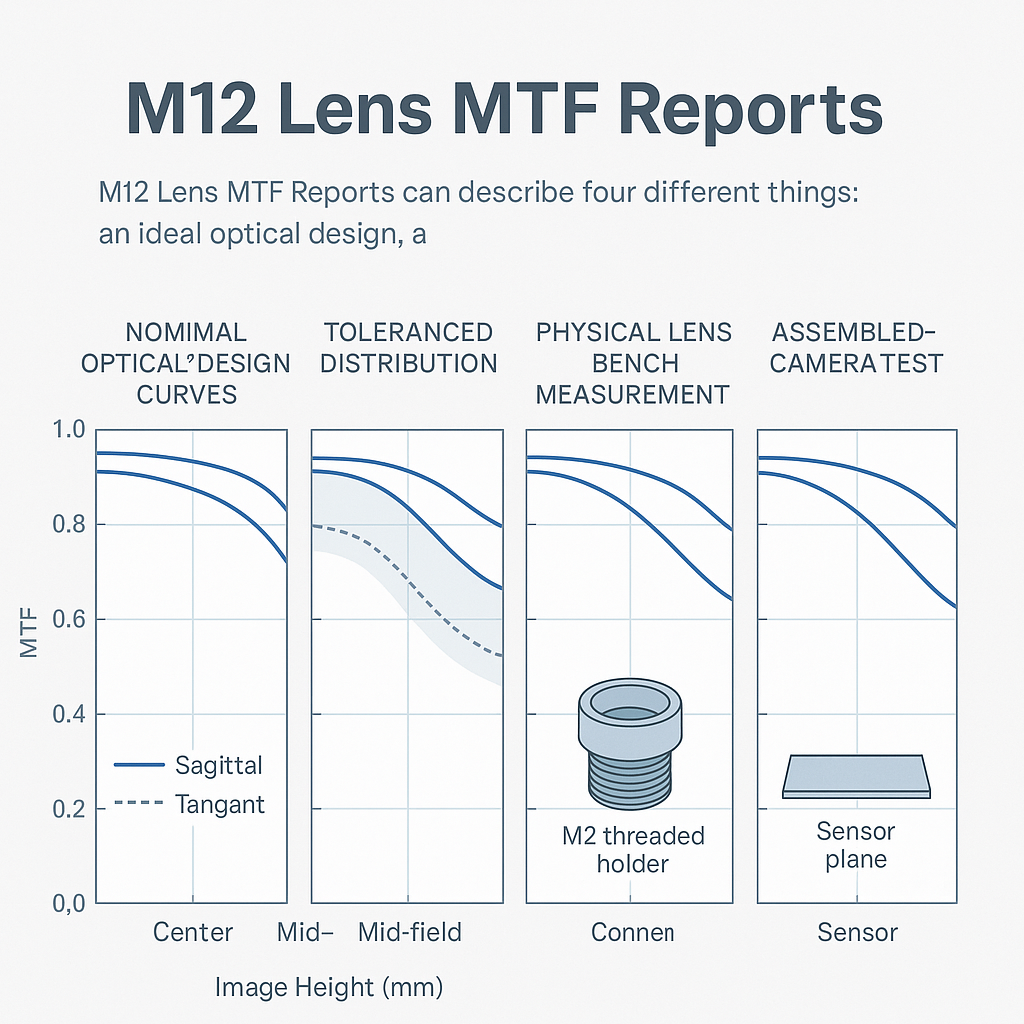
An evidence-led guide to comparing nominal design curves, tolerance simulations, physical lens measurements and assembled-camera MTF without confusing predicted capability with delivered…
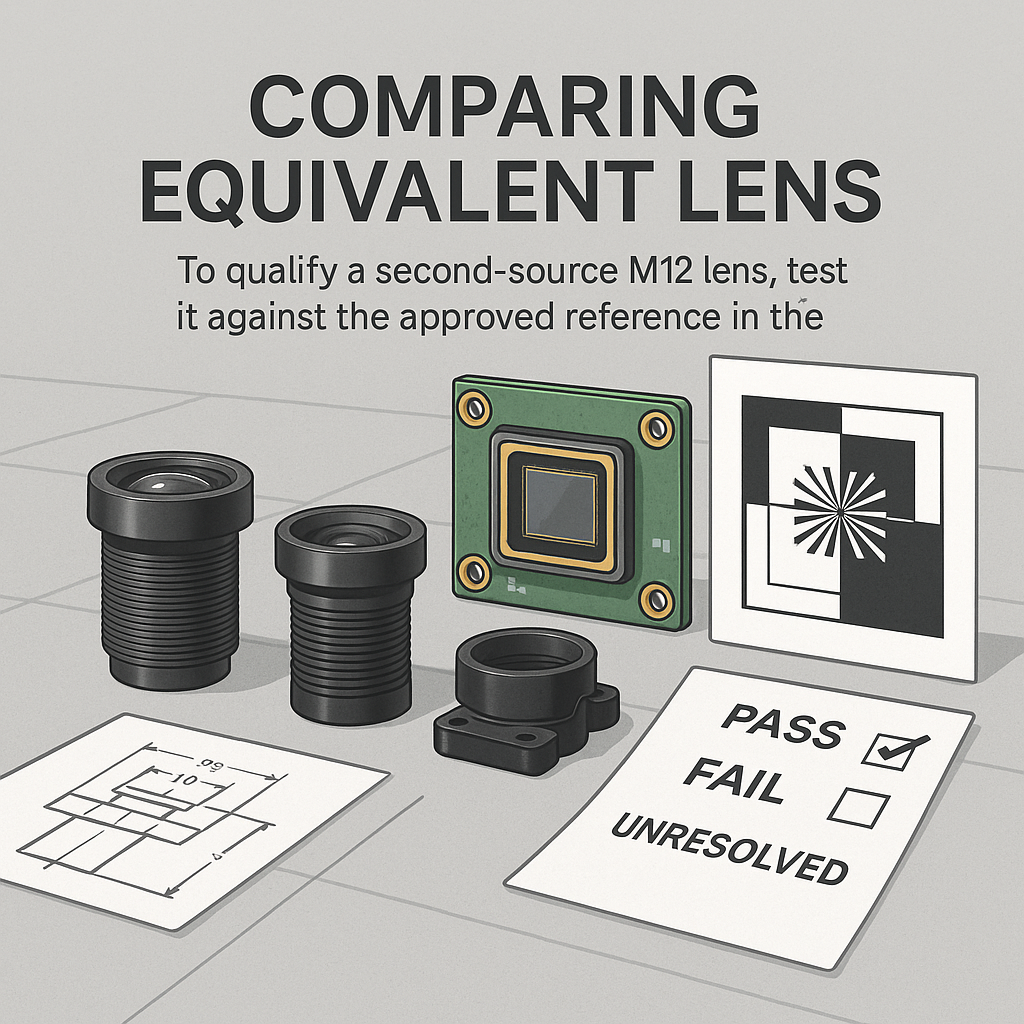
A controlled method for determining whether a second-source M12 lens is interchangeable, acceptable with restrictions or different enough to require a new…
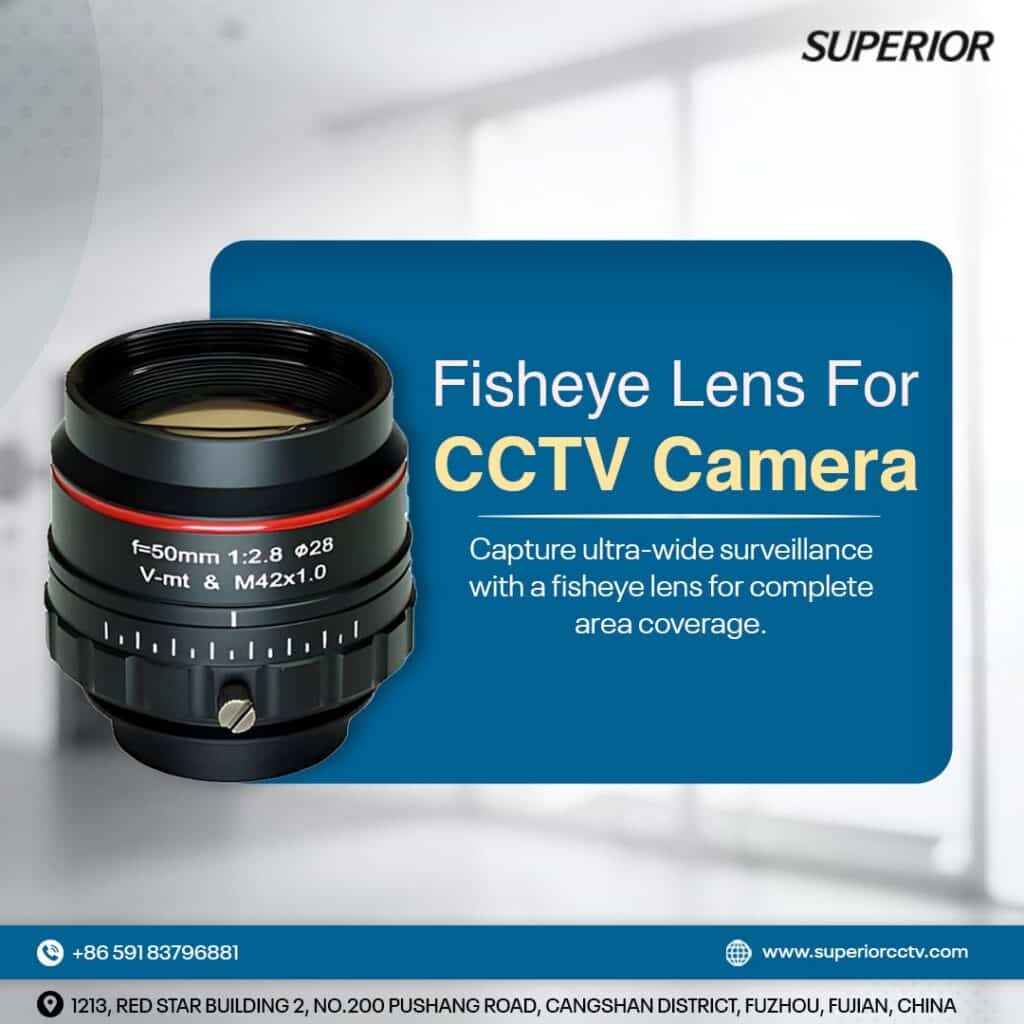
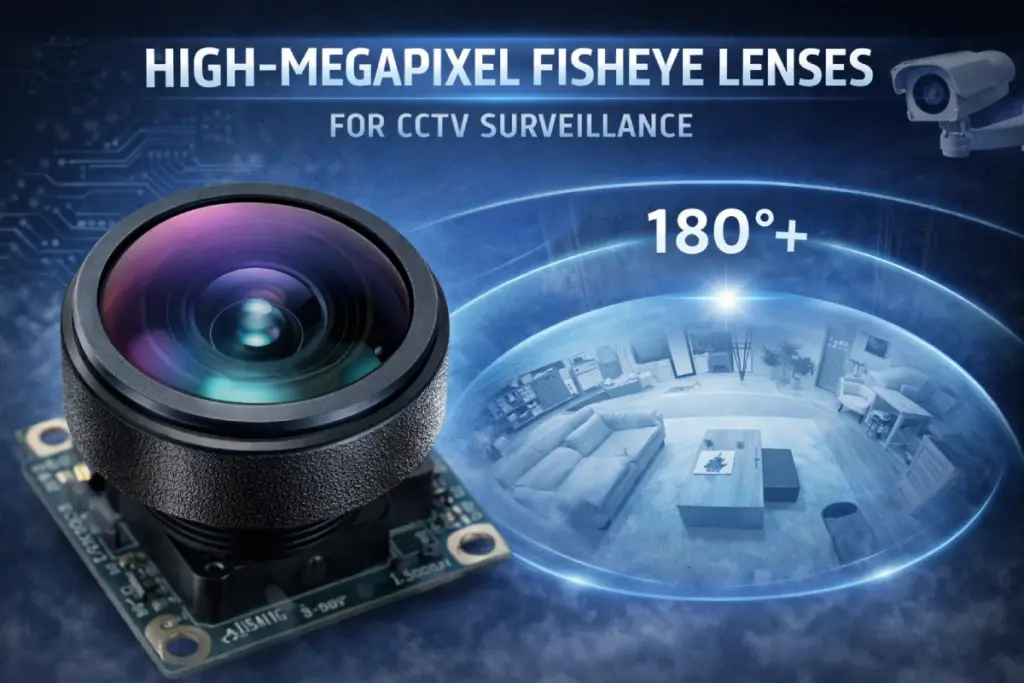
Wide-angle coverage, projection models, and image dewarping. Understanding the trade-offs behind panoramic imaging.
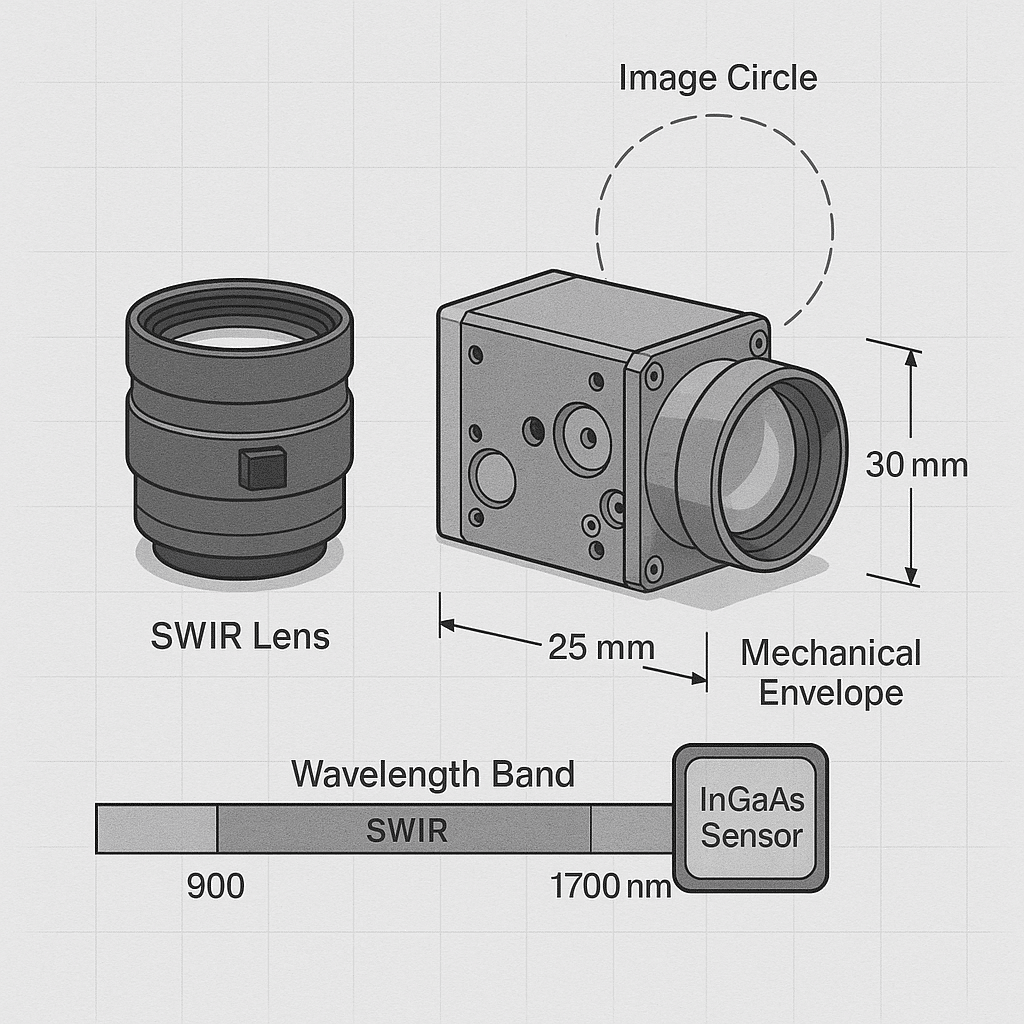
Wavelength ranges, optical materials, coatings, and sensor matching. Choosing optics for short-wave infrared imaging applications.
A buyer-focused comparison of catalog and custom SWIR lenses across wavelength coverage, sensor format, imaging performance, integration, cost and supply.
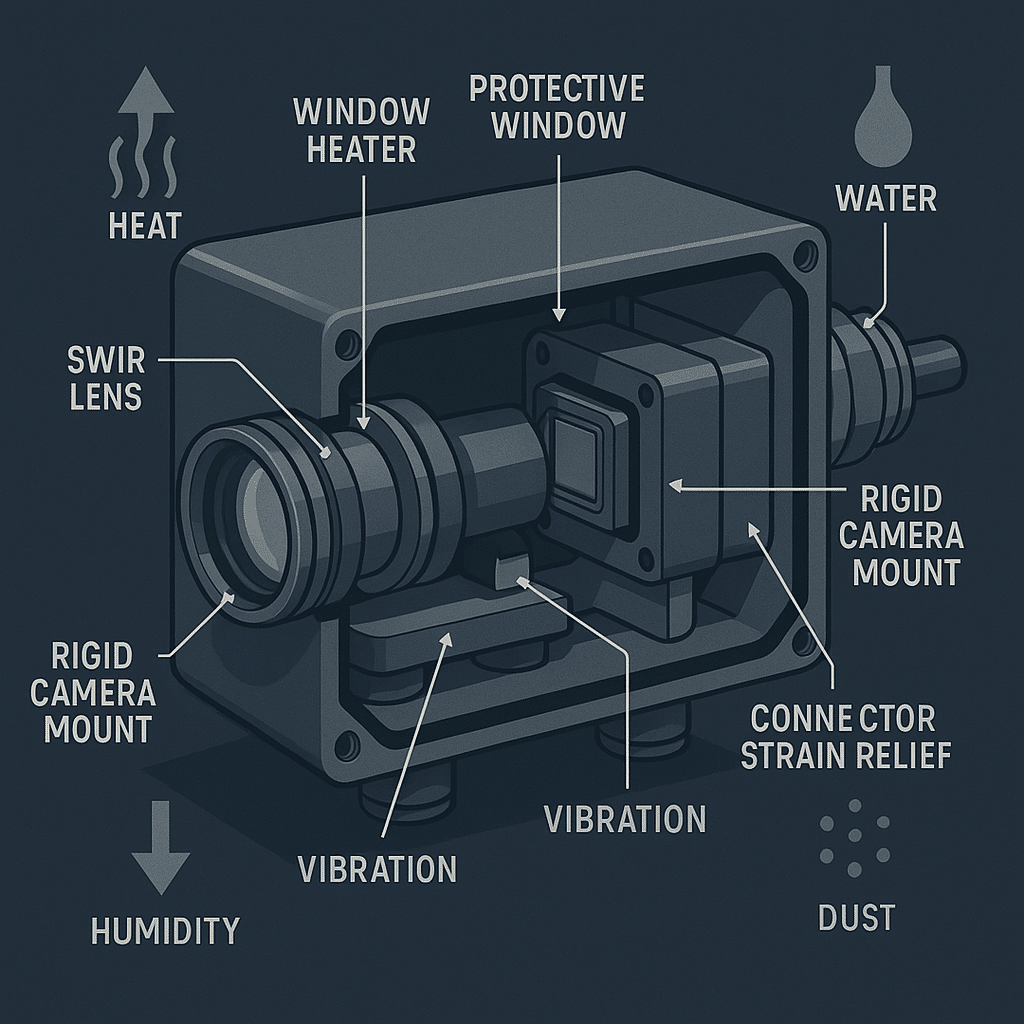
A buyer-focused engineering guide to maintaining SWIR focus, alignment, and inspection repeatability across temperature, moisture, vibration, contamination, and mounting changes.
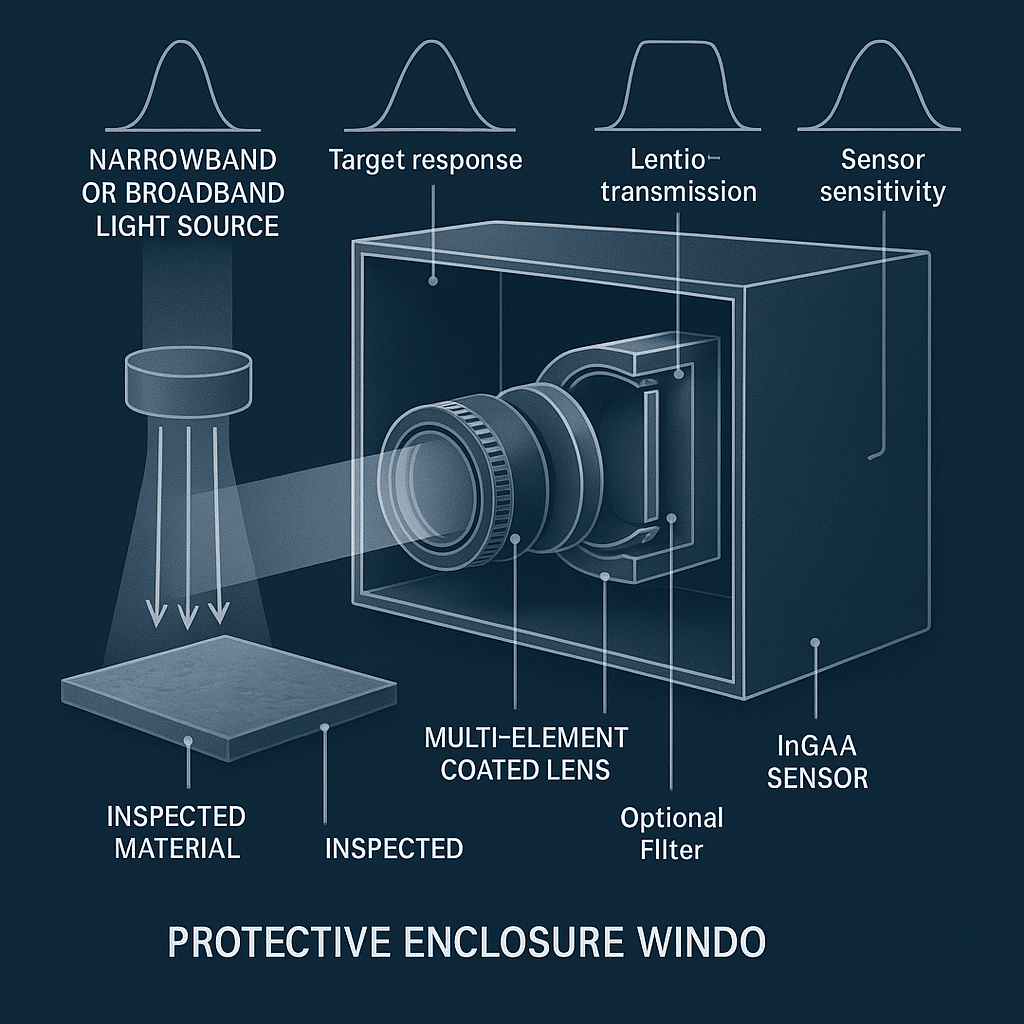
A buyer-focused method for matching an InGaAs sensor, illumination source, lens glass, anti-reflection coating, filters, and protective windows as one SWIR optical…
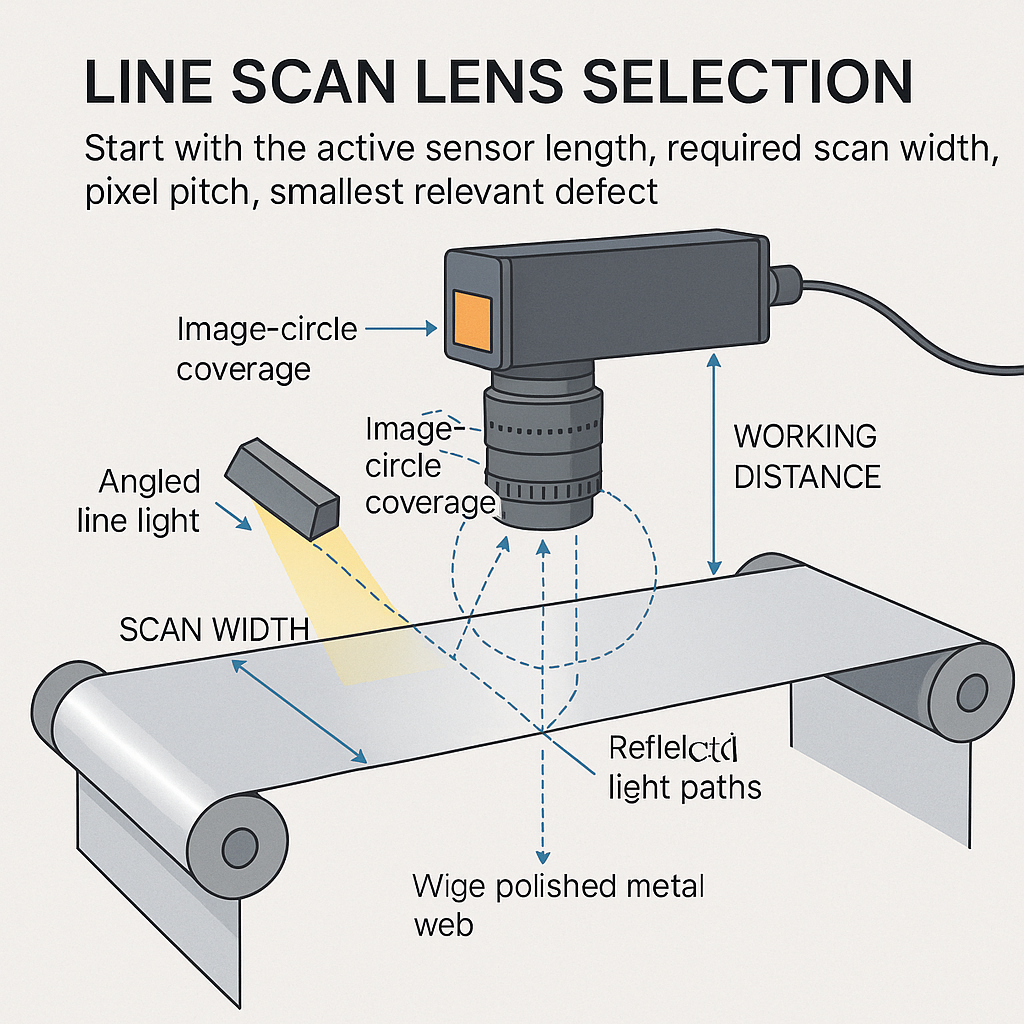
Image circle, magnification, resolution, and illumination. Matching lenses to line scan sensors for continuous inspection.
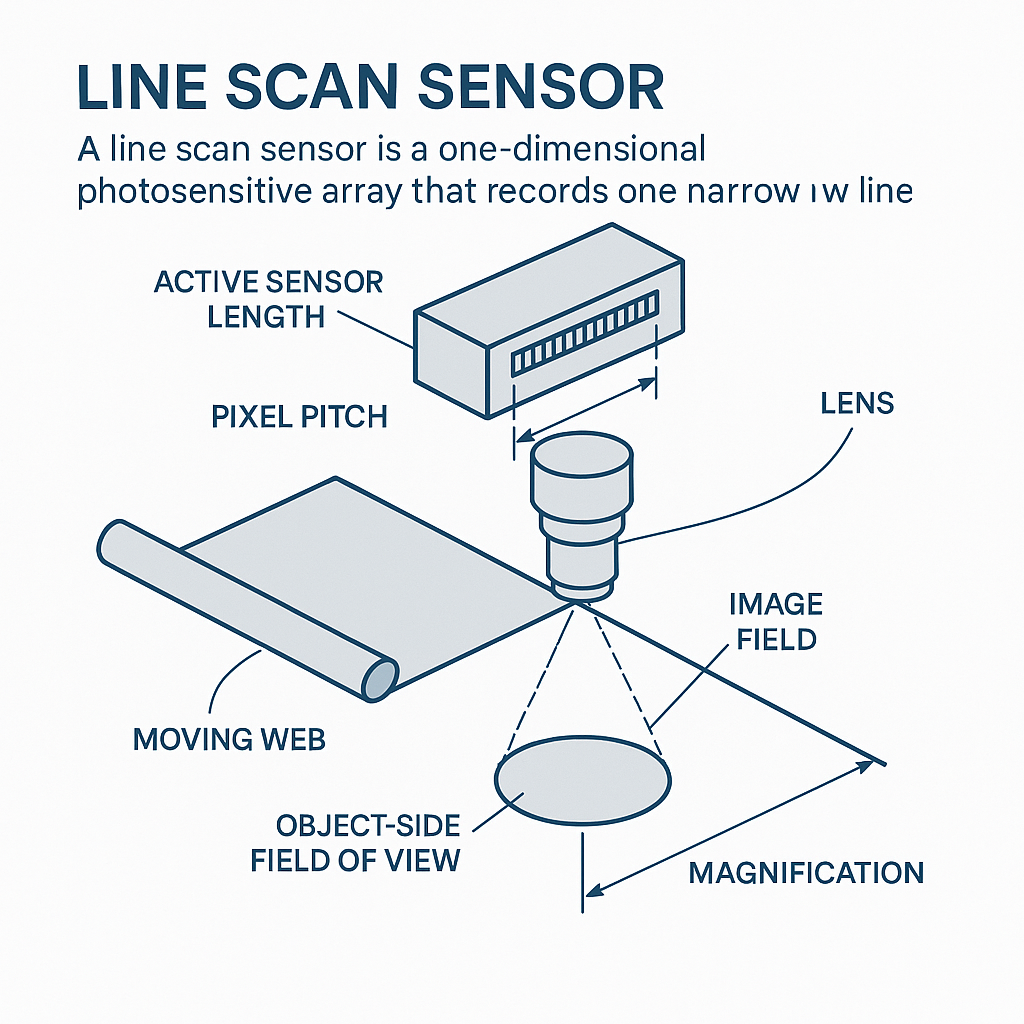
A calculation-led guide to matching line-sensor length, pixel pitch, scan width, image-circle coverage, working distance, focus tolerance, and reflective-part illumination.
Pixel count alone cannot establish line-camera and lens compatibility. This guide connects pixel pitch, active array length, usable lens coverage, field of…
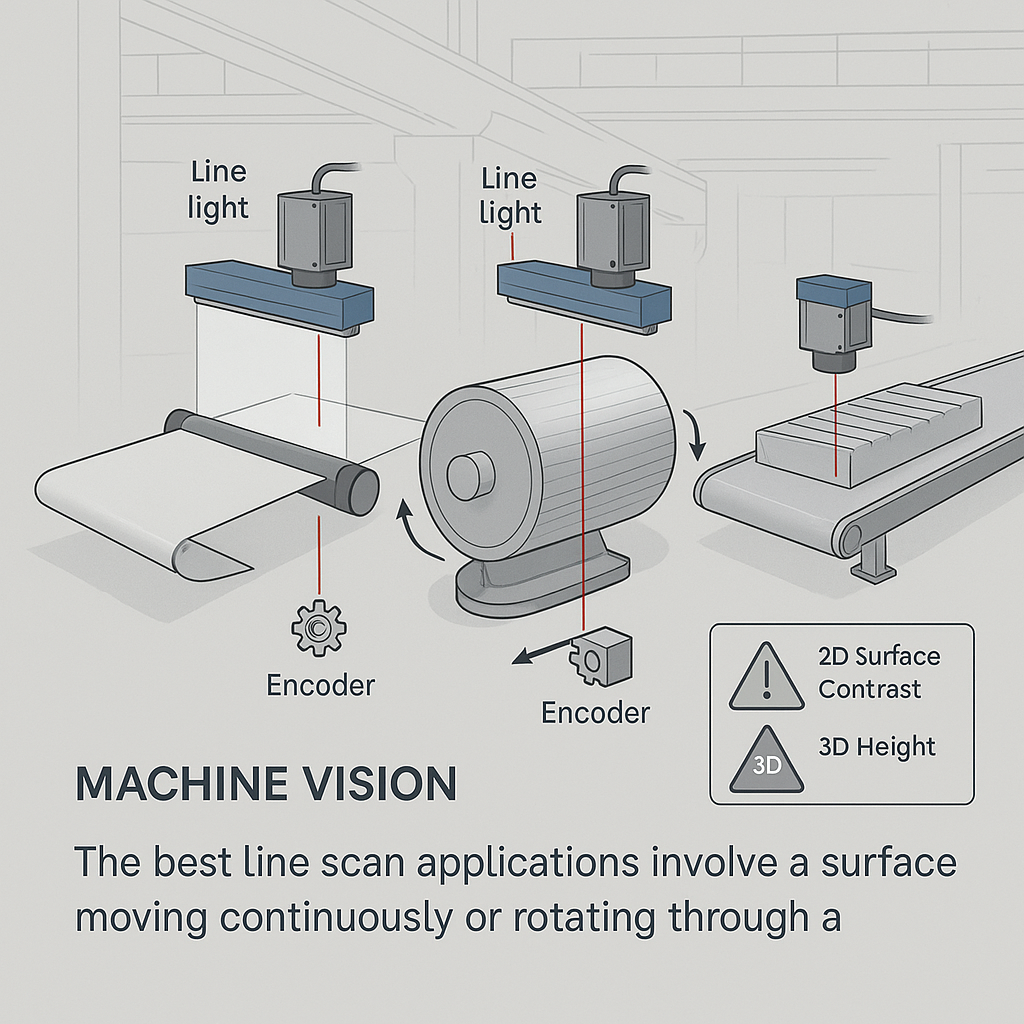
Map webs, rotating cylinders, and discrete parts to practical line-scan arrangements. This buyer-focused guide separates visible surface inspection from height, volume, and…
Magnification, telecentricity, working distance, and depth of field. Understanding lens choices for dimensional measurement and precision inspection.
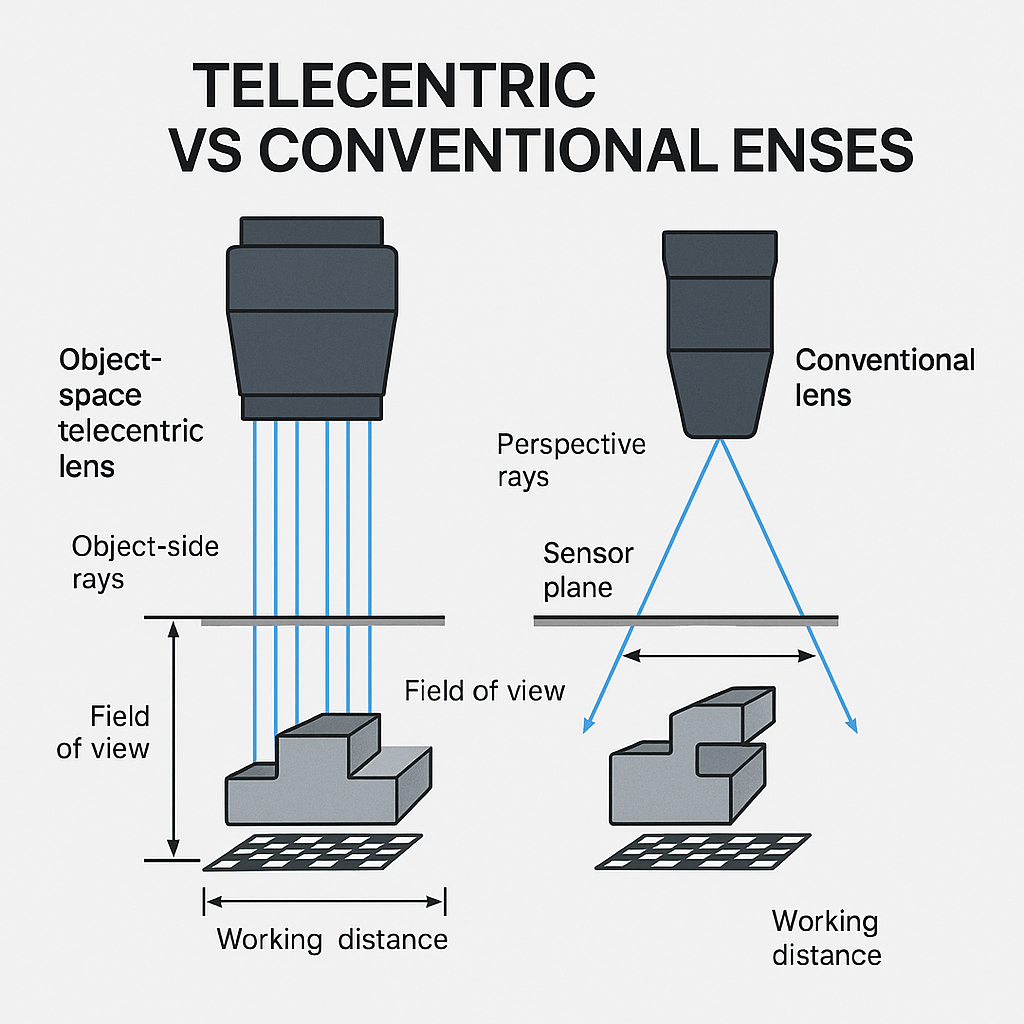
A buyer-focused comparison of telecentric and calibrated conventional optics, covering depth-related magnification, parallax, calibration exposure, integration constraints, and total system cost.
A buyer-focused method for matching telecentric architecture, magnification, sensor coverage and working distance to the actual error budget of a dimensional metrology…
Telecentric lenses are highly advanced lenses that are primarily used in industrial machine vision systems. They provide the machine vision system with…
Company updates, product releases, exhibitions, and engineering developments. The latest from SUPERIOR Optics.
Share your sensor size, working distance, target field of view, and wavelength requirements. Our team can help review suitable lens options.