


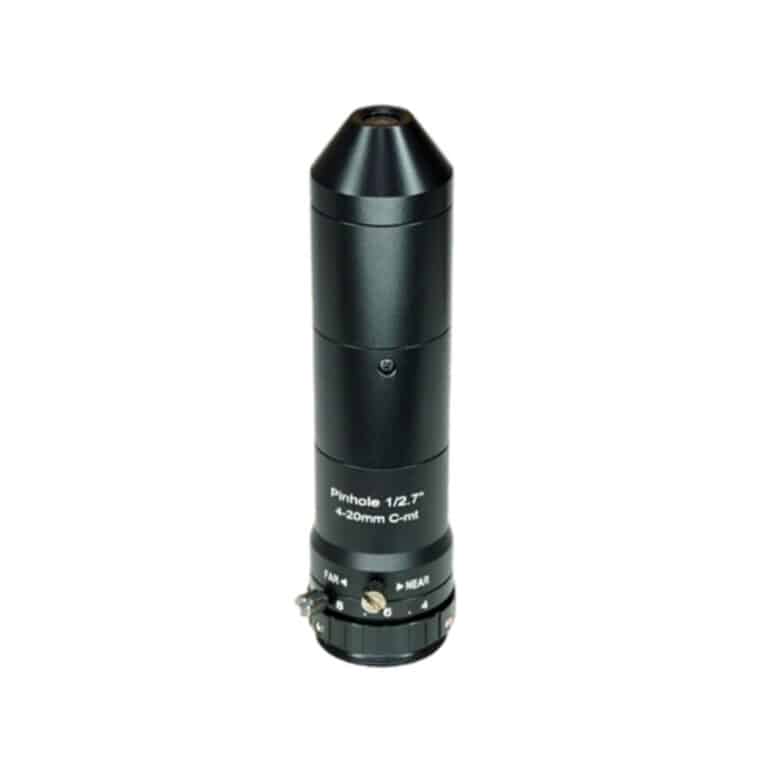
SPV0420MCP2MP
- Focal Length
- 4–20 mm
- Sensor Format
- 1/2.7"
- Mount
- C-Mount
- Iris
- Manual Iris
- Rated Resolution
- 2 MP
- F-Number
- f/1.4
SUPERIOR OPTICS / CATEGORY
Varifocal lenses allow focal-length adjustment within a specified range so the camera view can be set for the installation. SUPERIOR reviews sensor coverage, focal range, focus behavior, iris control and mechanical interfaces. Confirm whether refocusing is required after adjustment and evaluate image quality across the intended focal settings before production approval.
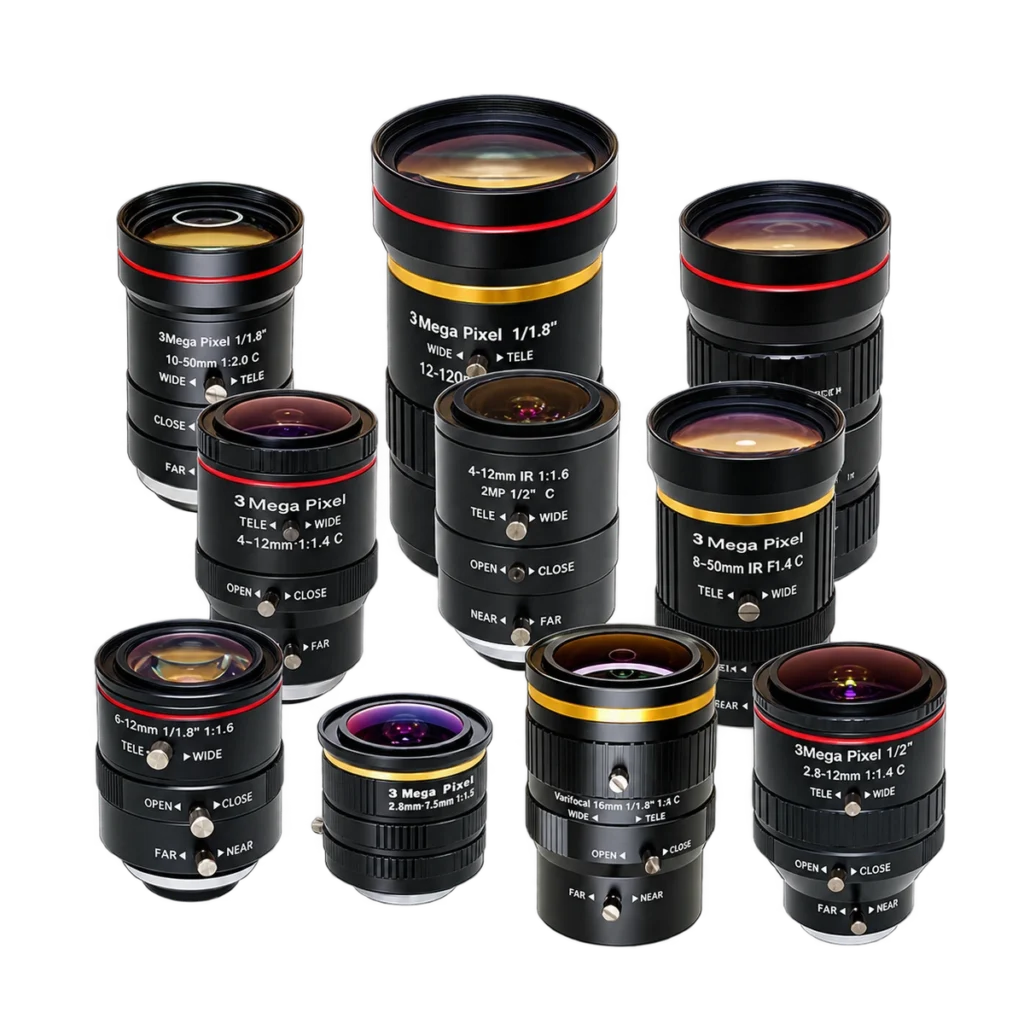
Compare confirmed varifocal models across CCTV, machine vision and M12 camera families. Filter by focal range, mount, sensor format, iris and control requirements.
1 matching model
Varifocal lenses offer flexible scene framing within a specified focal-length range, helping camera designers and installers accommodate different viewing requirements without immediately changing lenses. Select the focal setting for the required field of view within the model’s working-distance range, then adjust focus for a clear image. Actual coverage depends on the lens, active sensor dimensions and installation geometry.
This collection brings together varifocal lenses across CCTV, machine vision and M12 camera families. Compare focal range, sensor coverage, aperture, mount and installation space to find suitable models. For security installations, review scene coverage and target detail; for industrial and embedded cameras, check image quality and mechanical fit at the focal settings intended for the application.
Varifocal lenses generally require refocusing after focal-length adjustment; maintaining focus throughout the range is a separate performance requirement. Manual or motorized adjustment, iris operation and control interfaces depend on the selected model. Evaluate image detail, distortion and illumination at representative settings, then confirm the focus-setting, locking or control procedure before production approval.
Use project-defined inputs to prepare a selection brief. Confirm the selected model specifications and agree on test conditions before approval.
| Parameter | Selection input | Verification required |
|---|---|---|
| Focal range | Required minimum and maximum settings | Check coverage and detail at the intended endpoints. |
| Sensor | Active dimensions and image-circle requirement | Confirm coverage throughout the specified range. |
| Focus behavior | Refocusing procedure after focal adjustment | Do not assume parfocal performance. |
| Controls | Manual or motorized focal, focus and iris adjustment | Confirm actual interfaces and travel. |
| Installation | Adjustment access and locking method | Review clearance at every operating position. |
| Evaluation | Target distance, light and selected focal settings | Test representative settings, not only the range label. |
Set the required view within the stated focal range. Compare useful target detail and sensor coverage at the focal settings used by the installation.
Confirm the focus-setting process after focal-length adjustment. Specify a requirement for retained focus during changes only when the system needs it and the model supports it.
Review manual or motorized focal and focus controls, iris type and any electrical interfaces. Do not infer motorization from the varifocal label.
Evaluate image quality, illumination and mechanical clearance at representative settings. Agree on acceptance criteria for the operating range rather than one selected position.
Agree on the optical and mechanical acceptance criteria for your Varifocal Lenses project. Request applicable drawings, test conditions and inspection evidence before approving a production configuration.
Evaluate image detail, coverage, distortion and illumination at agreed focal settings and apertures.
Inspect adjustment travel, controls, locking features, mount geometry and moving-barrel clearances.
Verify the agreed focal-length and focus-setting sequence, repeatability and retention; test motor interfaces only for applicable models.
Review appearance, model identification, approved specification revision and protective packaging against agreed requirements. Request applicable inspection records and batch identification before shipment release.
Use this technical reference alongside model-specific specifications and your project test plan. It does not establish certification or performance of a SUPERIOR product.
Set the required camera view, then validate focus and image quality under representative installation and operating conditions.
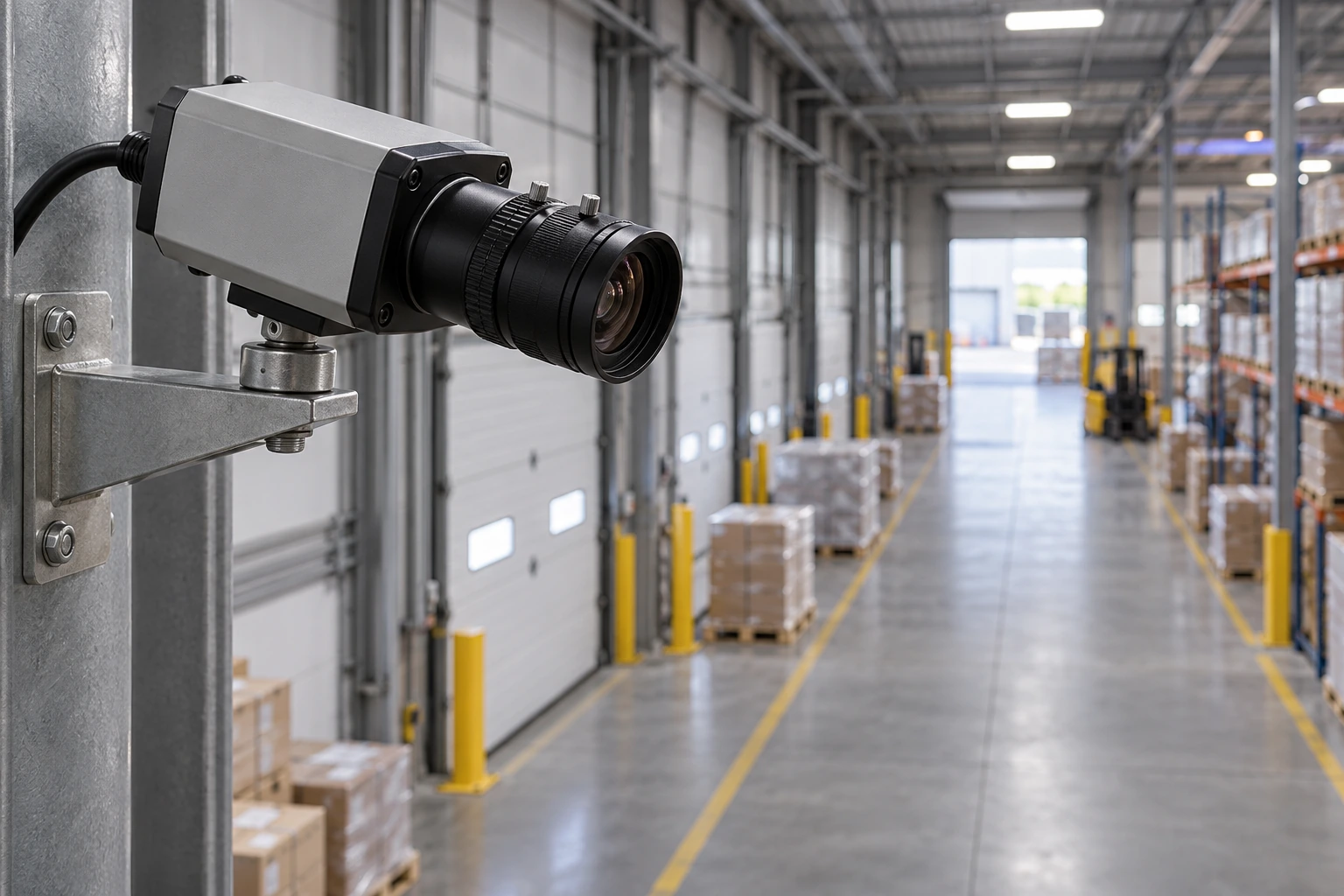
Set the required coverage for entrances, aisles and loading areas within the lens’s stated focal range. Recheck focus and useful target detail after adjustment, and evaluate day-night operation only where the selected model supports it.
Discuss Security Imaging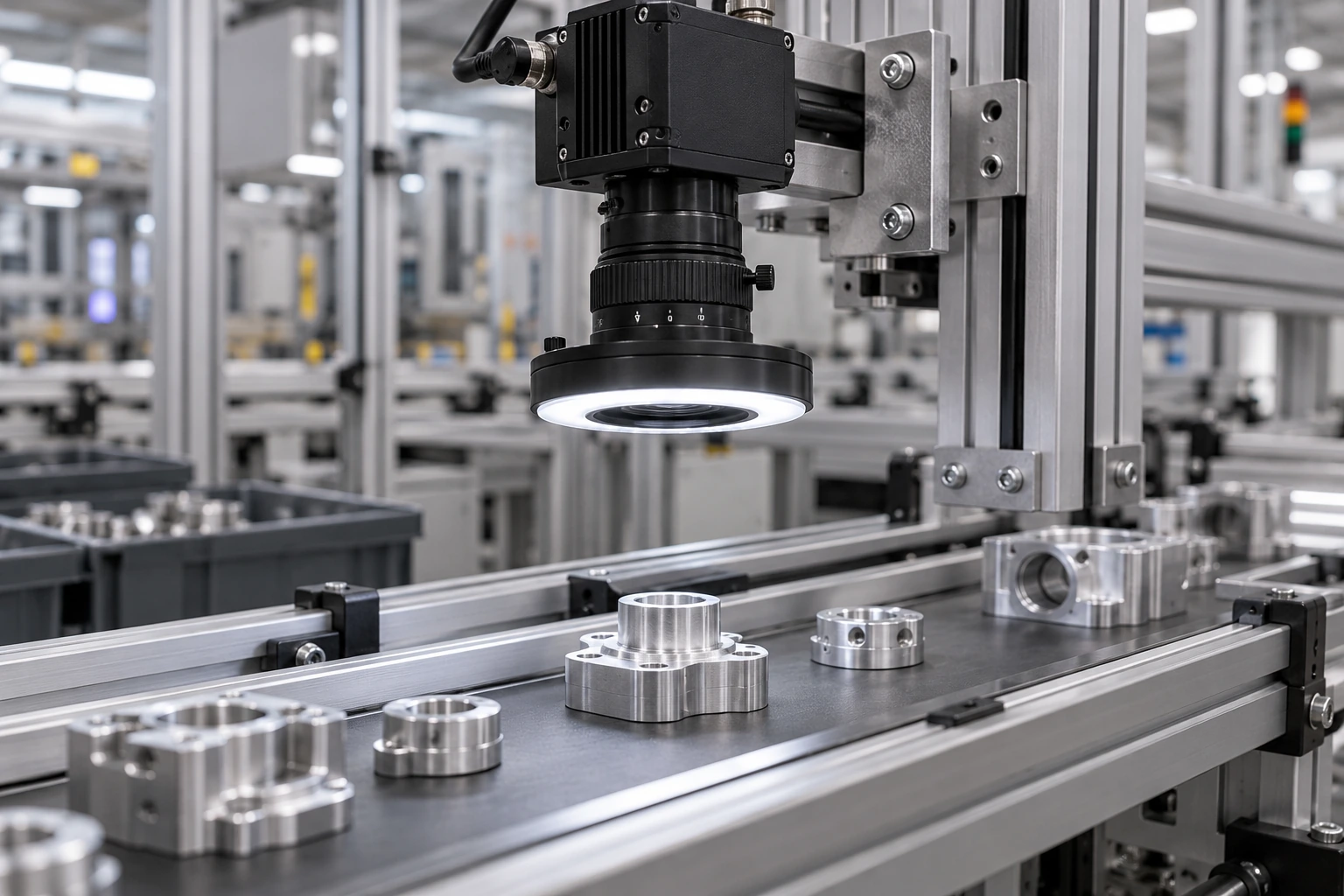
Adapt camera framing to the planned part sizes and working distance. Evaluate center-to-edge detail, distortion and illumination at the selected focal settings, then confirm focus adjustment and locking before production inspection.
Discuss Industrial Inspection
For motorized varifocal models, review focal-length and focus control with the intended camera interface. Check adjustment repeatability and final image quality; confirm iris control separately and validate the complete system before deployment.
Discuss Camera IntegrationIllustrative application scenes.
Continue the application review with this related product or engineering category.
ExploreReview focal-range selection, sensor coverage, working distance and focus-control requirements for your camera project.
Read Selection GuidesDiscuss optical targets, mechanical interfaces, prototype evaluation and production requirements.
Discuss OEM / ODMBUYER QUESTIONS
Selection and project review questions for Varifocal Lenses.
No. A varifocal lens may require refocusing after changing focal length. Confirm the specified behavior of the actual model.
No. Control can be manual or motorized depending on the design. Verify each adjustment and electrical interface.
Evaluate the endpoints and representative intermediate focal settings at the intended sensor, distance and aperture.
Send the selection inputs listed above, the relevant drawing and representative targets or process conditions. Request a model-specific feasibility review, sample evaluation plan and quotation before production approval.
PROJECT INQUIRY
Send your varifocal lenses requirements, relevant drawings and evaluation conditions. Request a model-specific feasibility review, sample plan and quotation.
Include a model number or the information currently available:
You do not need a complete optical specification to start. Send the information currently available, along with your delivery destination and preferred schedule.