


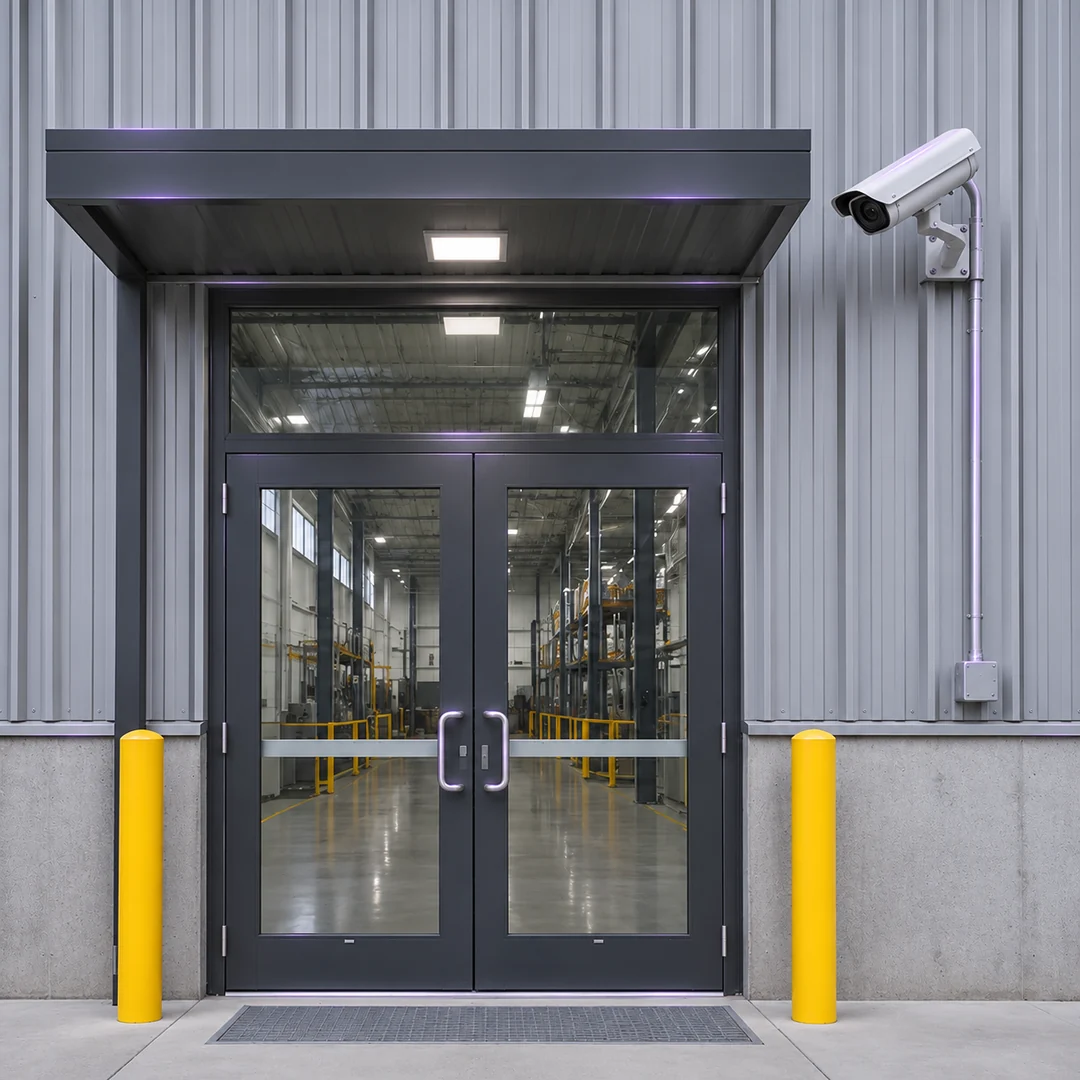
Entrance and Access Points
Frame the entry zone and test approaching targets at the required distance. Check backlighting from doors, windows, or vehicle headlights.
SUPERIOR OPTICS / APPLICATIONS
Security & Surveillance starts with the target detail needed at each viewing distance. Plan entrance, corridor, and perimeter views separately, then verify them under daytime and nighttime lighting. Use representative targets at near and far positions to see whether the recorded image still meets the monitoring task.
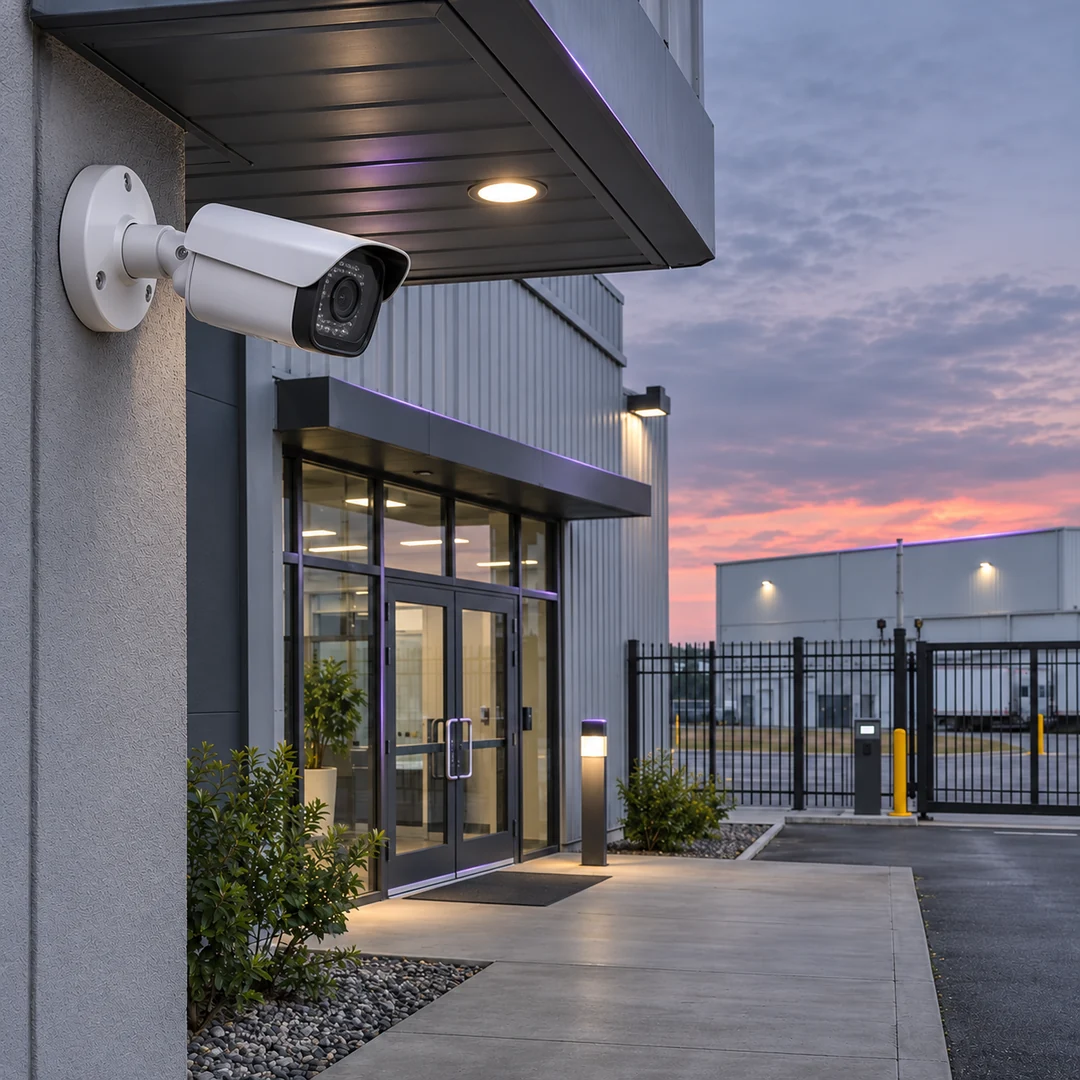
Security & Surveillance needs different framing at an entrance, down a corridor, and along a perimeter. Mark the distances at which useful detail is required, then confirm coverage and visibility where lighting changes most.
Frame the entry zone and test approaching targets at the required distance. Check backlighting from doors, windows, or vehicle headlights.
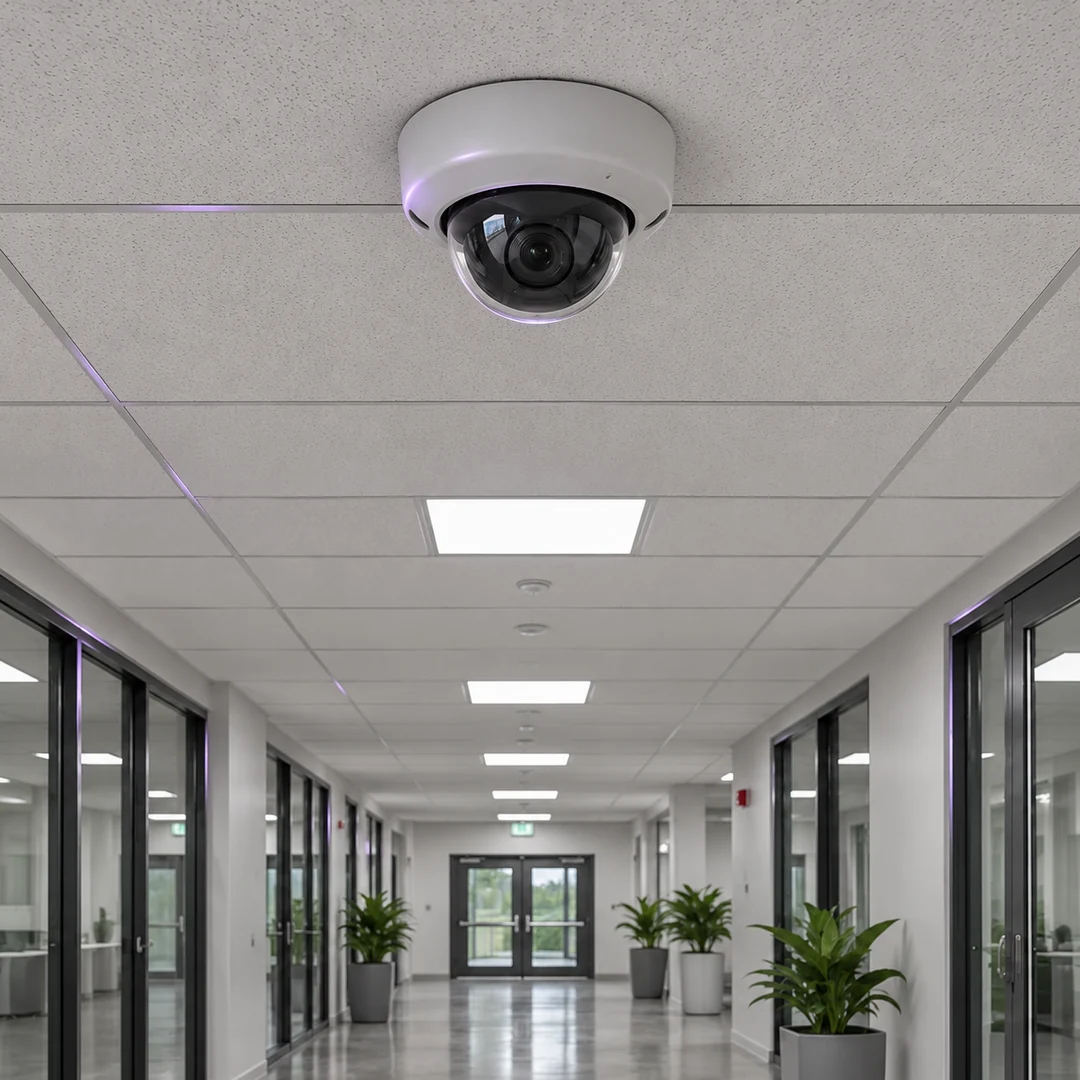
Verify detail at near and far points and check that the framing captures the intended path. Compare normal lighting with the night operating mode.
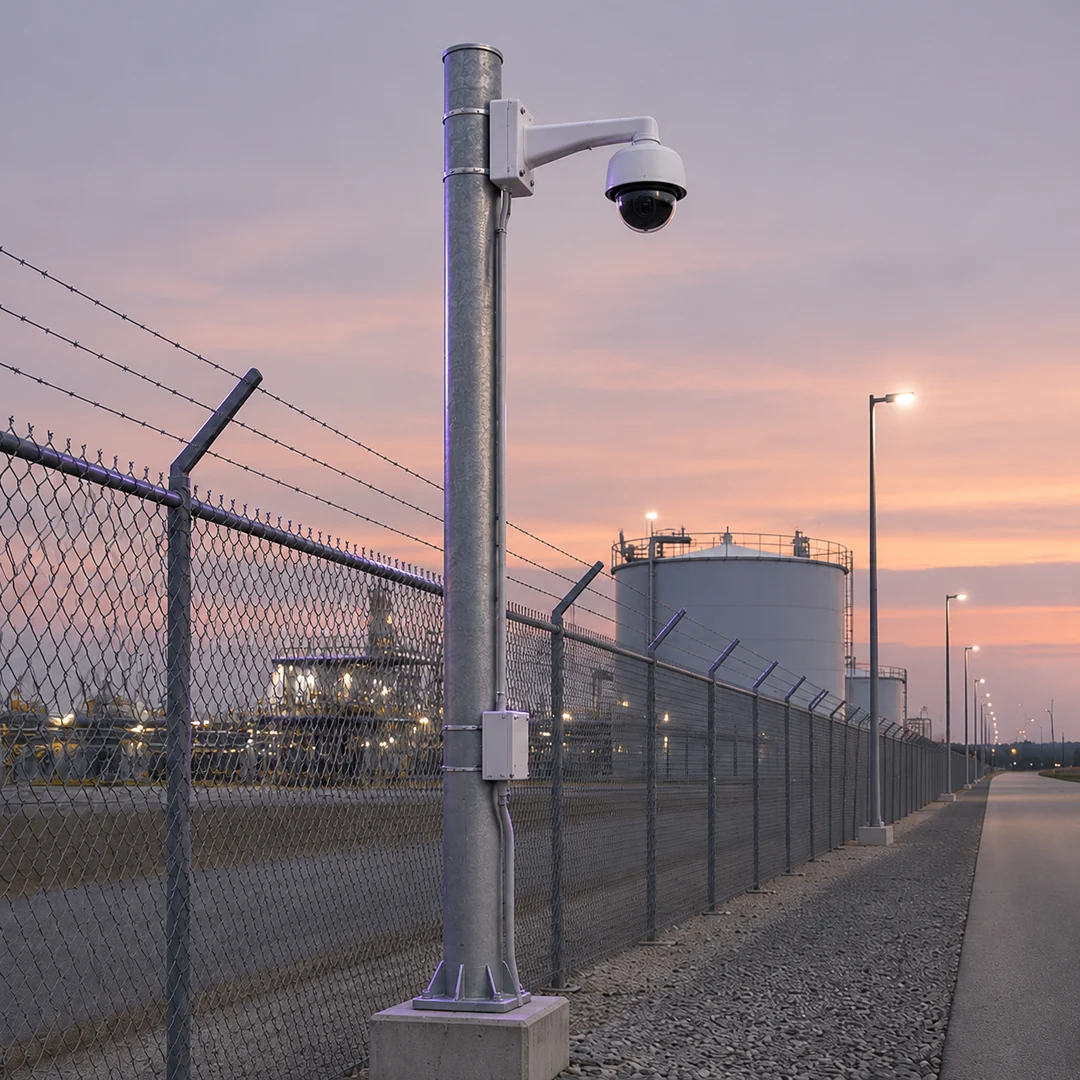
Check coverage along the full monitored zone, including corners and transitions. Test night illumination and visibility under typical site conditions.
Security & Surveillance should be verified with the camera in its real mounting position. Check target detail and exposure at both ends of the viewing range, then repeat under daylight, night illumination, and difficult backlight.
Define what the operator must see in each zone. Mark the nearest and farthest distances where that level of detail is required.
Review recorded footage from near and far test positions. Check whether the required detail remains clear when the subject moves.
Test daylight, dusk, and infrared operation. Check whether backlight, glare, or overexposure obscures the details the operator needs.
Check focus and framing from the final mounting position. Look for obstructions, coverage gaps, and unnecessary overlap with nearby cameras.
Security & Surveillance can use fixed-view CCTV optics for a known coverage area or varifocal optics when framing needs on-site adjustment. Verify focus and target detail at the final camera position. Check both daytime and nighttime footage at the required distances.
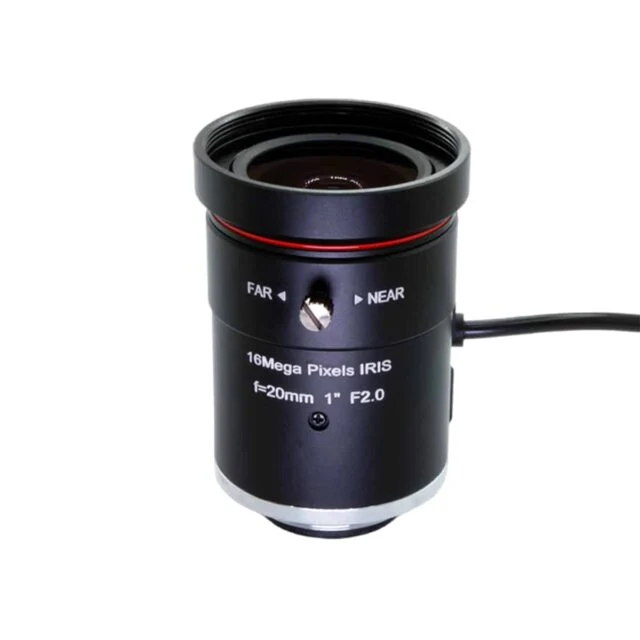
Choose a fixed focal length when the coverage area is known. Match the lens to the sensor format and mount, then check recorded detail at the required distances in daylight and at night.
Browse CCTV Lenses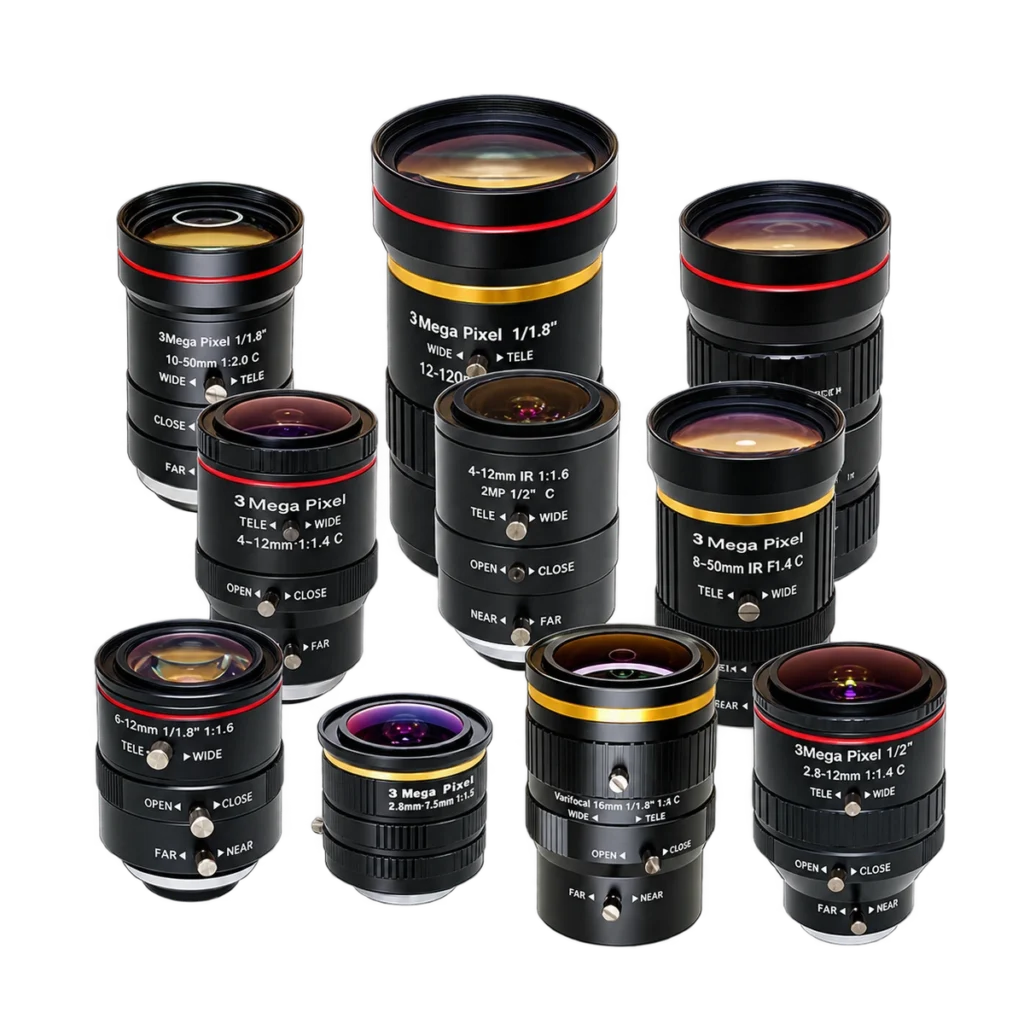
Choose a varifocal lens when framing needs adjustment on site. Confirm its focal length range covers the intended views, then set framing and verify focus in both day and night modes.
Browse Varifocal LensesUse these guides to match the lens to your camera sensor, choose a field of view that preserves the detail you need at the intended viewing distance, and verify that recorded footage stays sharp when the camera switches from daylight to infrared illumination.
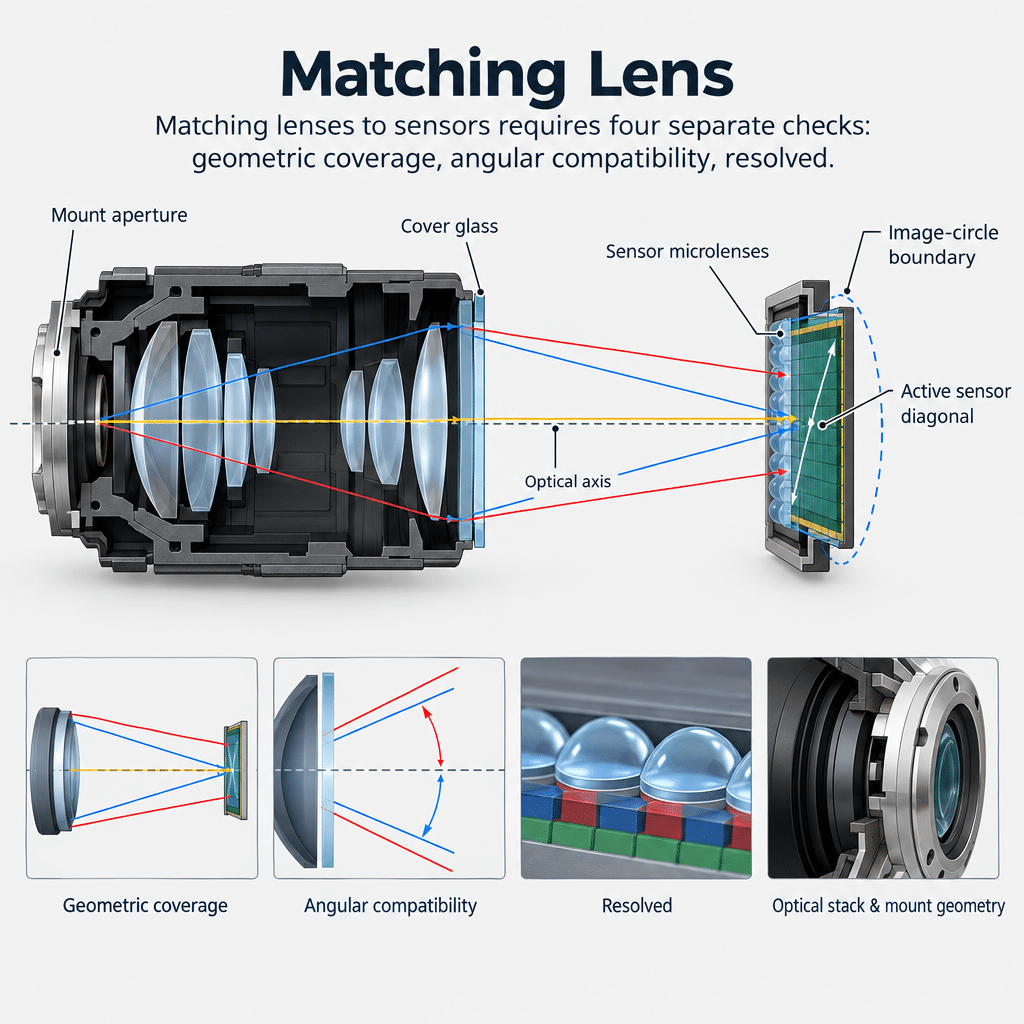
Check image-circle coverage and chief ray angle before pairing a lens with a sensor.
Read Guide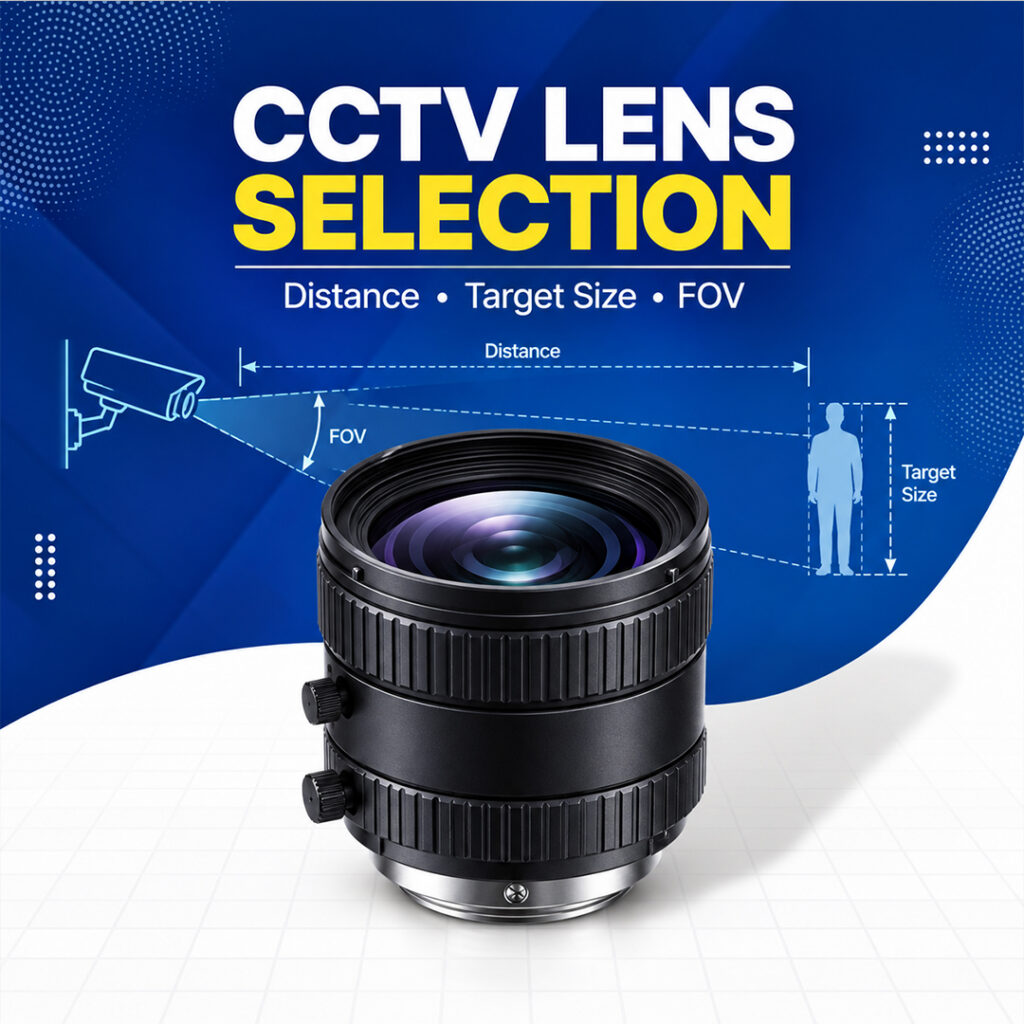
Use target size and distance to choose a field of view that retains usable detail.
Read Guide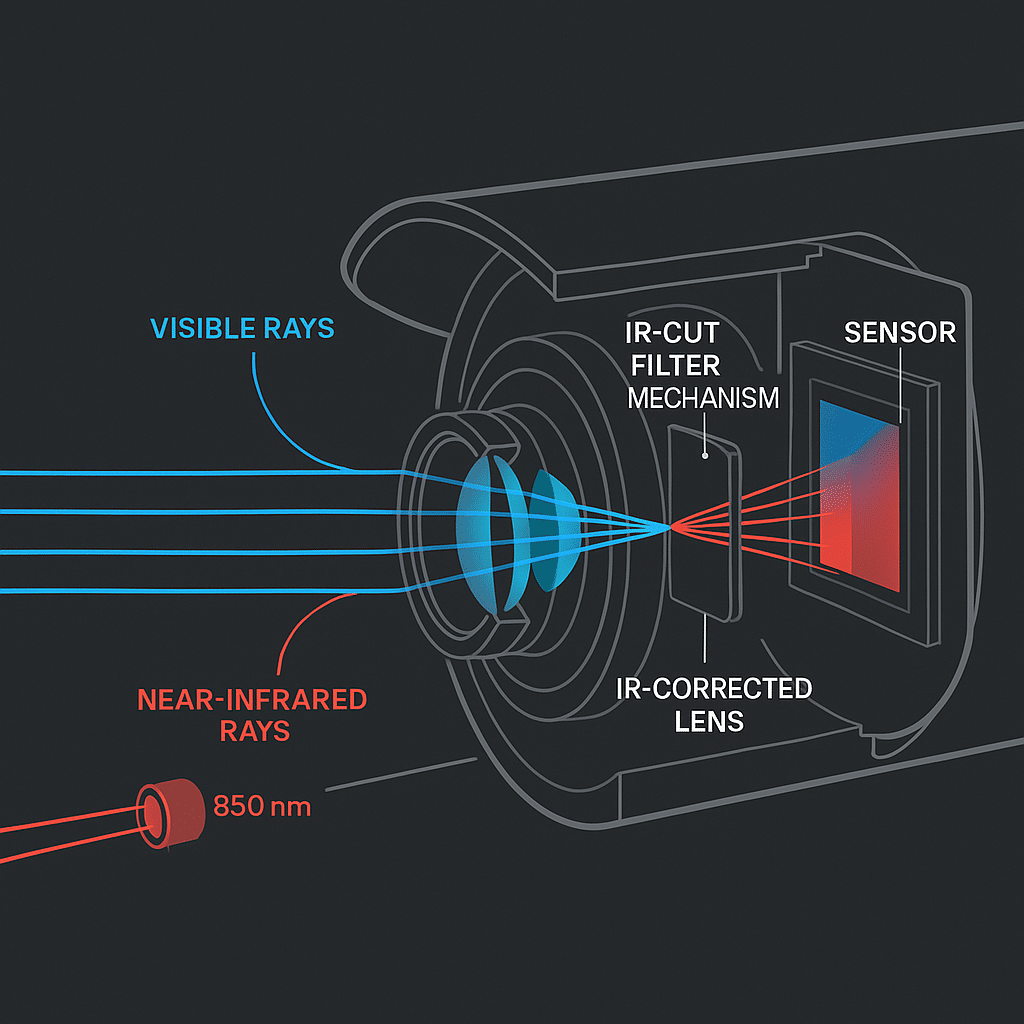
Check focus and recorded detail when the camera switches from daylight to infrared.
Read GuideBUYER QUESTIONS
Answers to common Security & Surveillance questions about choosing optics and verifying the finished setup.
No. Wider framing can show more area while leaving fewer pixels on a distant target. Check the detail required at each location.
Consider one when mounting distance or framing is uncertain and the field of view needs to be set on site.
Verify focus, reflections, near-target overexposure, and far-target detail in the recorded night image.
Use it for planning, then validate recorded detail with representative targets under actual light, motion, and compression settings.
PROJECT INQUIRY
For Security & Surveillance, share the site layout, mounting position, target distances, desired detail, and day or night lighting conditions. Include a sample view or drawing if available.
Include a model number or the information currently available:
You do not need a complete optical specification to start. Send the information currently available, along with your delivery destination and preferred schedule.