


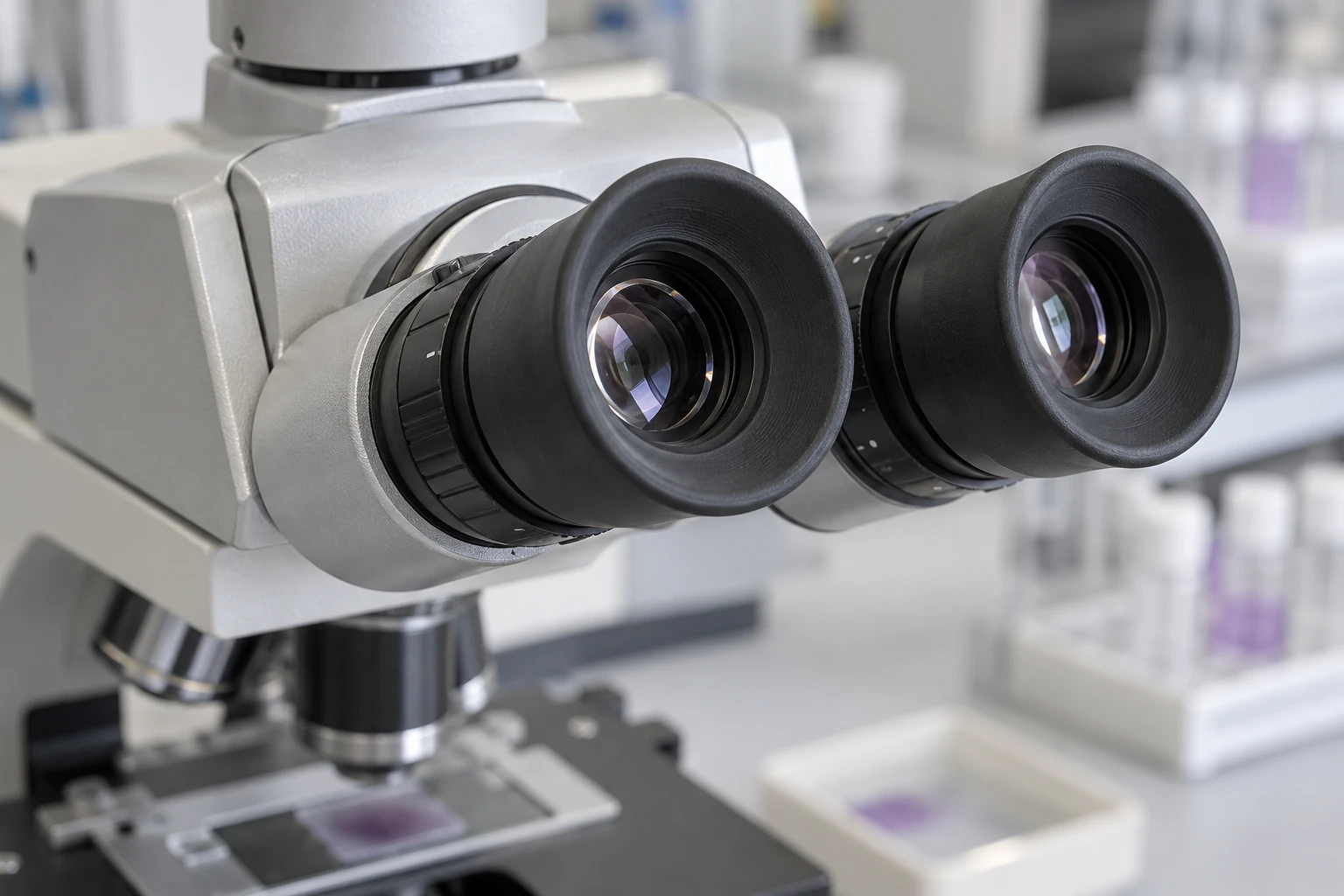
Visual Microscopy
Review eyepiece compatibility with the microscope objective and tube system. Assess usable field, focus adjustment and viewing comfort.
Discuss Your ApplicationSUPERIOR OPTICS / CATEGORY
Eyepiece lenses present an instrument image for direct viewing and must match the complete visual optical system. SUPERIOR reviews focal length, field requirements, eye relief, pupil geometry and mechanical interfaces for project feasibility. Confirm compatibility with the objective, intermediate image and user viewing conditions before approving an eyepiece configuration.
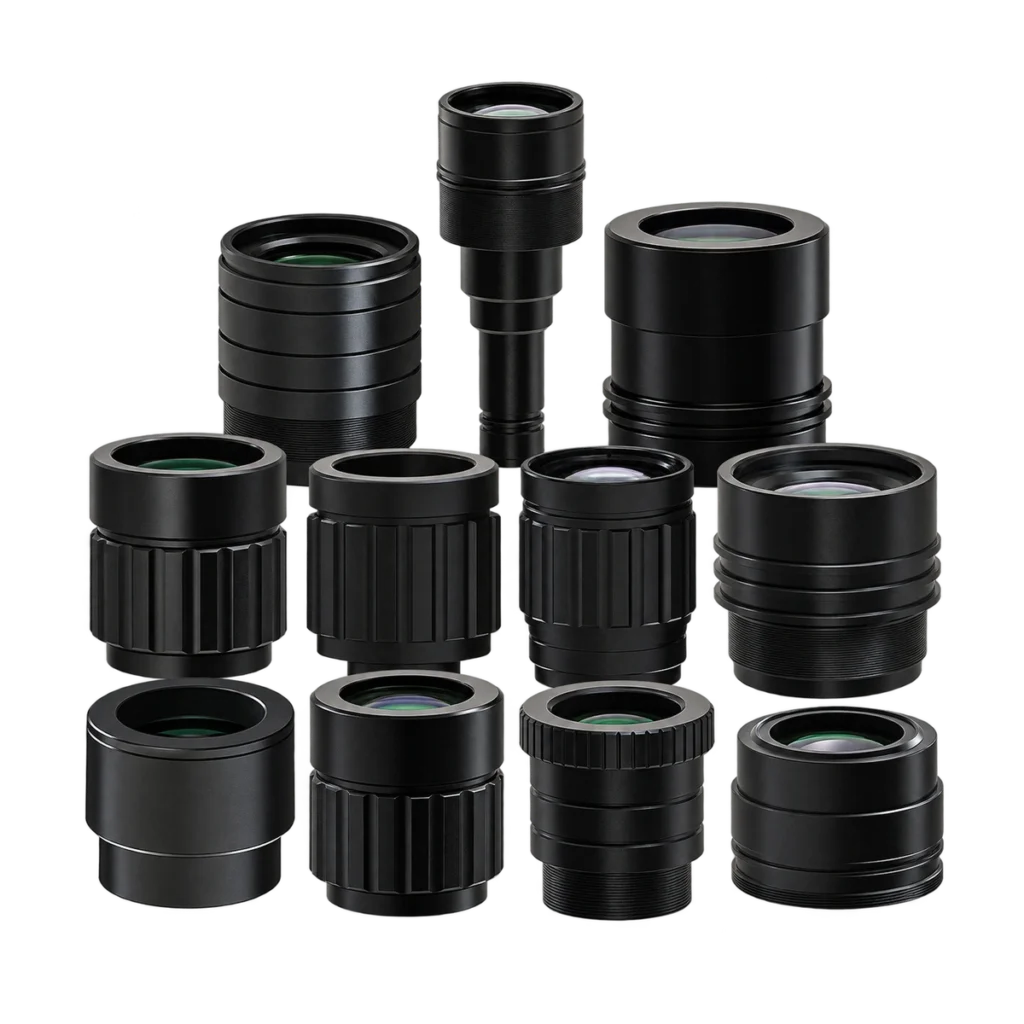
0 matching models
The model catalog is being prepared. Use the lens selection checklist below to outline your requirements.
Eyepiece lenses form the viewing end of an optical instrument, allowing the eye to examine an intermediate image or display. They are used in microscopes, night vision viewers and other observation systems when matched to the intended optical path.
Compare focal length or magnification, apparent field of view, eye relief, exit-pupil geometry and diopter adjustment. Confirm barrel fit and any required optical correction, then evaluate field visibility, image clarity and viewing comfort in the complete instrument. Eyepieces and front-end objective lenses perform different roles and are not interchangeable.
Use project-defined inputs to prepare a selection brief. Confirm the selected model specifications and agree on test conditions before approval.
| Parameter | Selection input | Verification required |
|---|---|---|
| Instrument design | Objective, intermediate image and correction scheme | Confirm optical-system compatibility. |
| Focal length | Required eyepiece focal length or system magnification | Evaluate the complete instrument magnification. |
| Field | Apparent field or field-number requirement | Use consistent definitions and verify usable edges. |
| Viewing comfort | Eye relief and intended user conditions | Evaluate eye position and any spectacles requirement. |
| Pupil geometry | Exit-pupil position and diameter | Review pupil matching across the system. |
| Mechanical fit | Barrel diameter, reference shoulder and adjustment | Confirm the drawing and focusing travel. |
Select the eyepiece together with the objective and intermediate image. Check any required optical corrections and field compatibility before comparing apparent magnification.
Define usable eye relief, eye position and exit-pupil requirements for the intended viewer. Evaluate comfort and field visibility with representative users and the assembled instrument.
Review usable field, edge clarity, color behavior and distortion under the actual viewing conditions. Keep apparent field and field number clearly distinguished.
Check barrel fit, reference surfaces and any diopter or focus adjustment. Confirm optical alignment and retention in the intended instrument housing.
Agree on the optical and mechanical acceptance criteria for your Eyepiece Lenses project. Request applicable drawings, test conditions and inspection evidence before approving a production configuration.
Assess visual image quality, usable field, eye relief and pupil geometry using the specified instrument or documented equivalent setup.
Verify barrel fit, reference shoulders, retaining interfaces and focusing or diopter adjustment dimensions.
Check alignment, focus adjustment and viewing performance in the assembled instrument across the agreed eye-position range.
Review appearance, model identification, approved specification revision and protective packaging against agreed requirements. Request applicable inspection records and batch identification before shipment release.
Use this technical reference alongside model-specific specifications and your project test plan. It does not establish certification or performance of a SUPERIOR product.
Define the imaging or optical task and validate the complete system under representative conditions.
Review eyepiece compatibility with the microscope objective and tube system. Assess usable field, focus adjustment and viewing comfort.
Discuss Your Application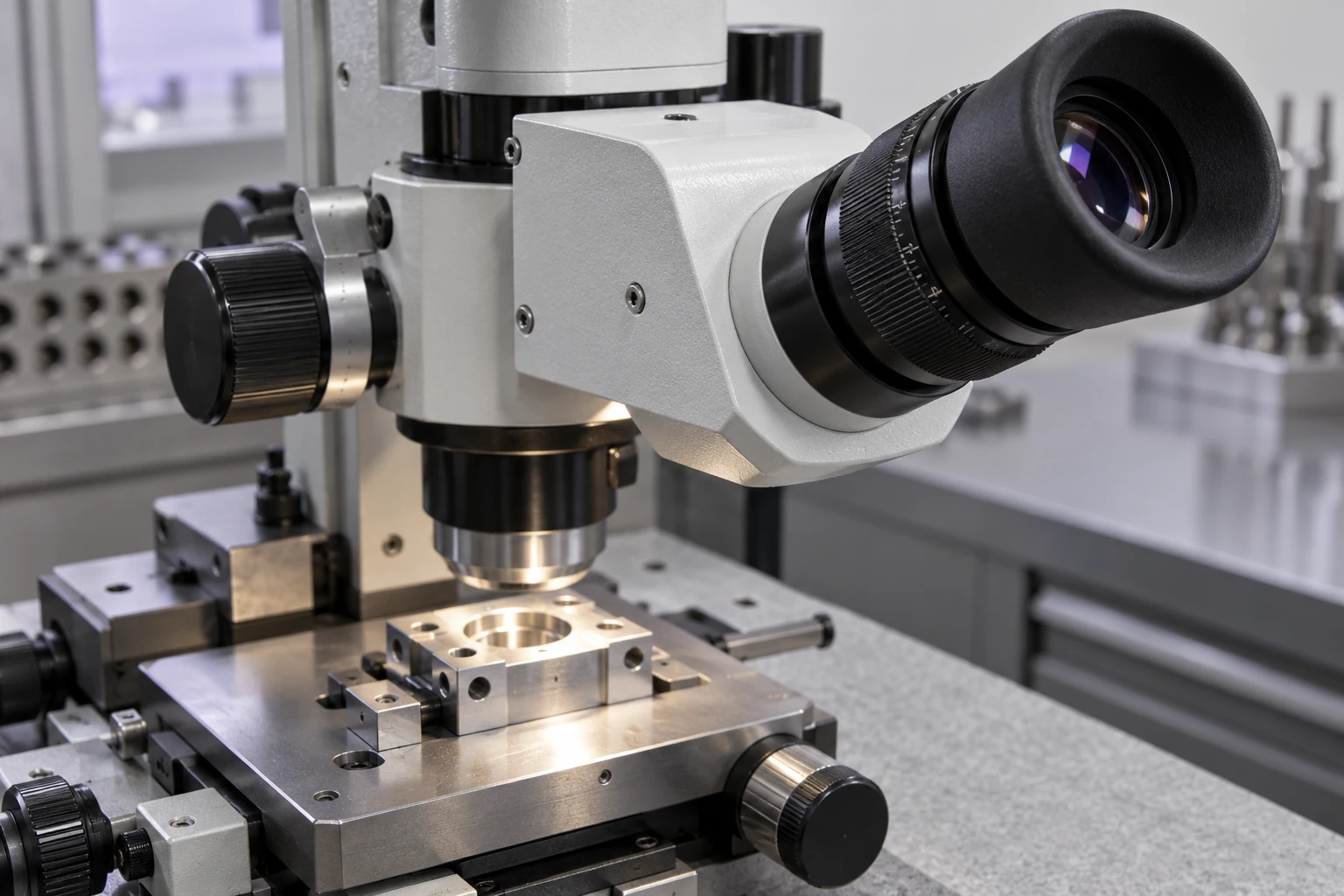
Evaluate direct-view optics for workshop or laboratory instruments. Define the intermediate image, field requirements and mechanical envelope.
Discuss Your Application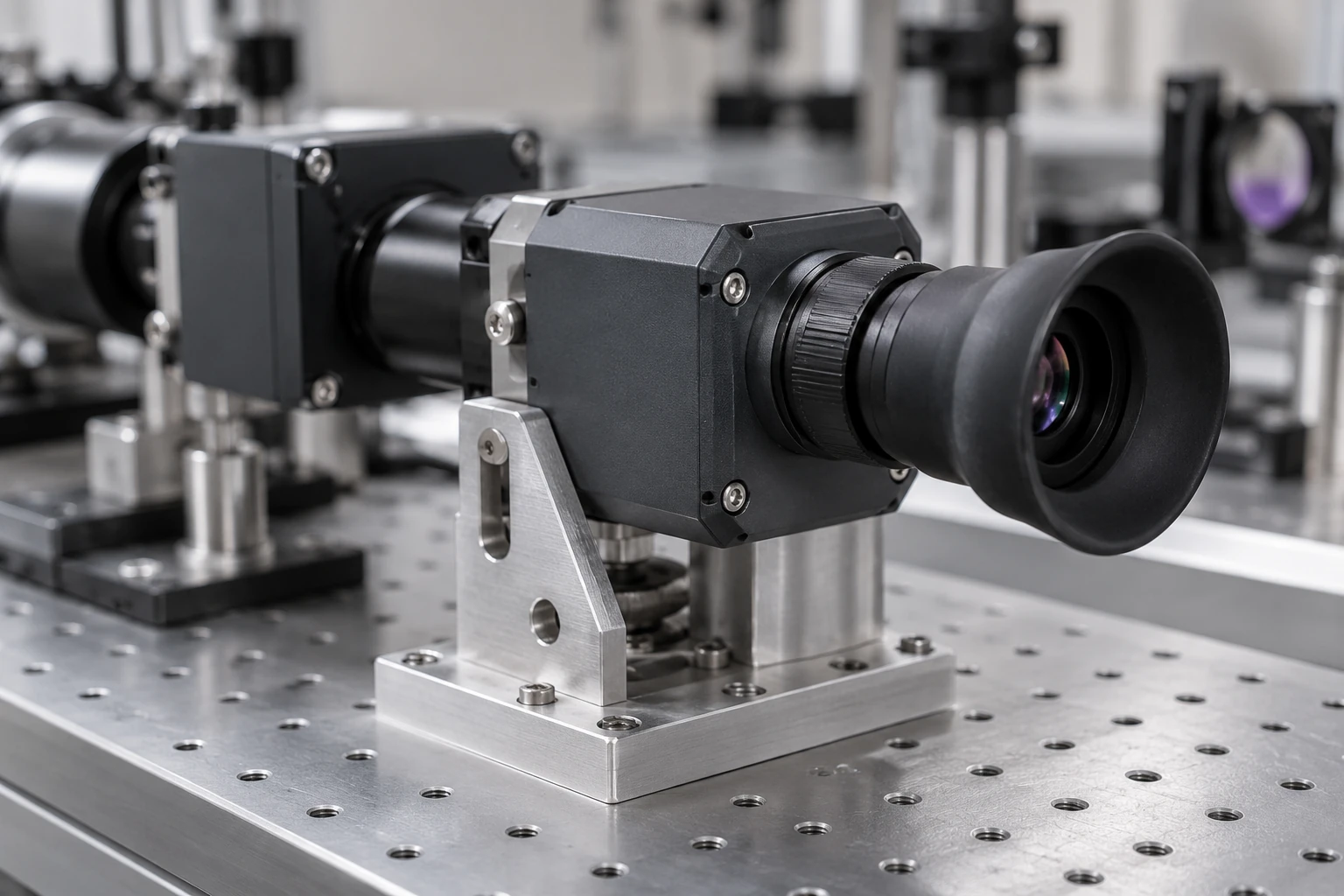
Discuss eyepiece geometry for a project-specific visual instrument. Review pupil position, user access and prototype acceptance conditions.
Discuss Your ApplicationIllustrative application scenes (AI-generated).
Compare related lenses, review selection guidance or discuss a custom camera requirement.
Review magnification, numerical aperture and microscope system compatibility.
ExploreReview eye relief, field of view, pupil geometry and instrument compatibility before selecting eyepieces.
Read Selection GuidesDiscuss optical targets, mechanical interfaces, prototype evaluation and production requirements.
Discuss OEM / ODMBUYER QUESTIONS
Selection and project review questions for Eyepiece Lenses.
No. Mechanical fit does not establish optical compatibility. Review the objective, tube system and any correction requirements.
No. Review the complete instrument magnification, usable field, pupil geometry and visual image quality together.
The objective forms the specimen image within the system; the eyepiece presents an intermediate image for visual observation. Their functions and interfaces differ.
Send the selection inputs listed above, the relevant drawing and representative targets or process conditions. Request a model-specific feasibility review, sample evaluation plan and quotation before production approval.
PROJECT INQUIRY
Send your eyepiece lenses requirements, relevant drawings and evaluation conditions. Request a model-specific feasibility review, sample plan and quotation.
Include a model number or the information currently available:
You do not need a complete optical specification to start. Send the information currently available, along with your delivery destination and preferred schedule.