


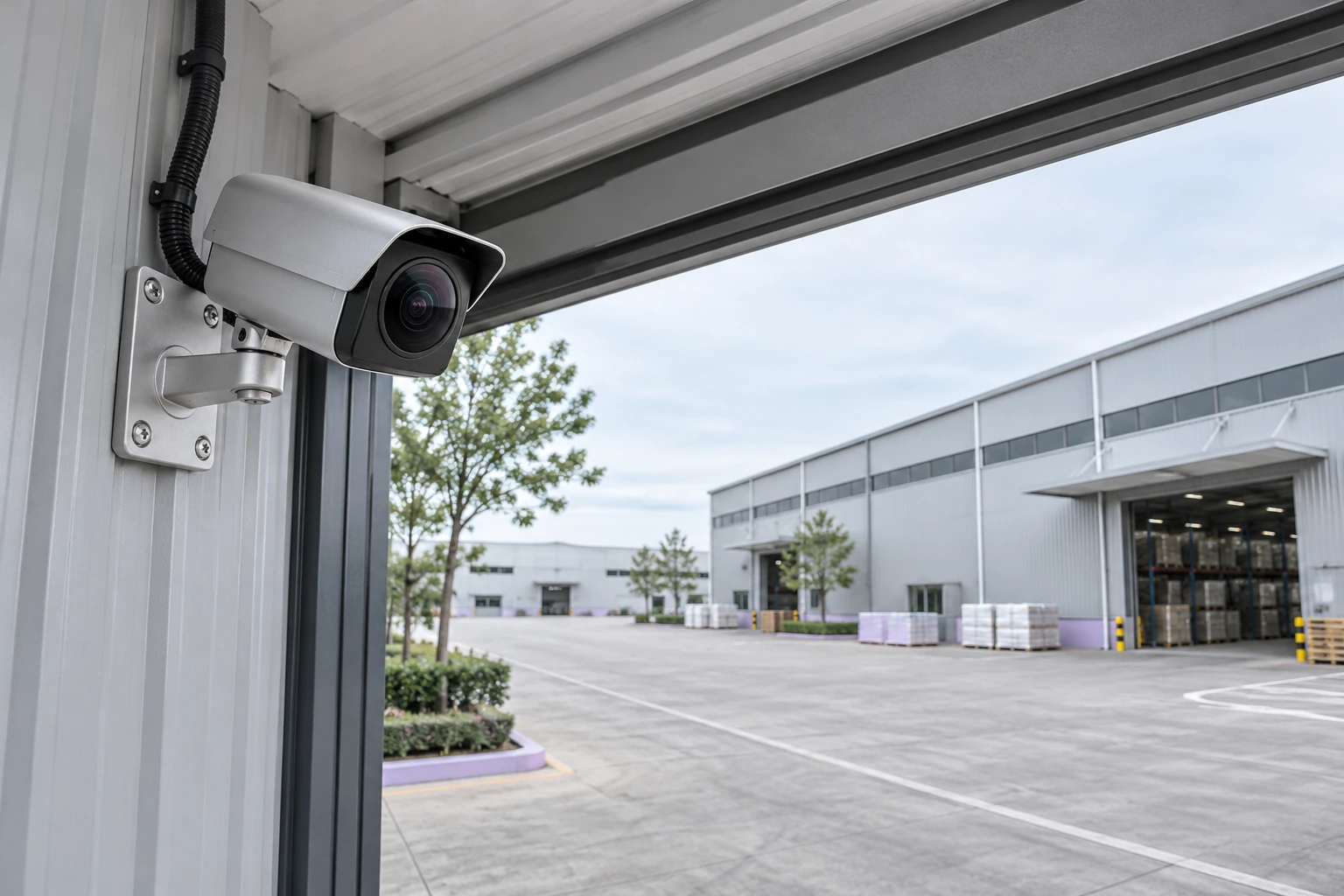
Broad-Field Security Cameras
Review scene coverage for fixed camera locations. Match target detail and geometry to the selected sensor and installation.
Discuss Your ApplicationSUPERIOR OPTICS / CATEGORY
Wide angle lenses provide broad scene coverage when matched to the sensor and installation distance. SUPERIOR reviews field of view, projection, distortion, image-circle coverage and packaging requirements for camera integration. Distinguish rectilinear and fisheye designs, then evaluate useful edge detail and the final image output before selecting a model.
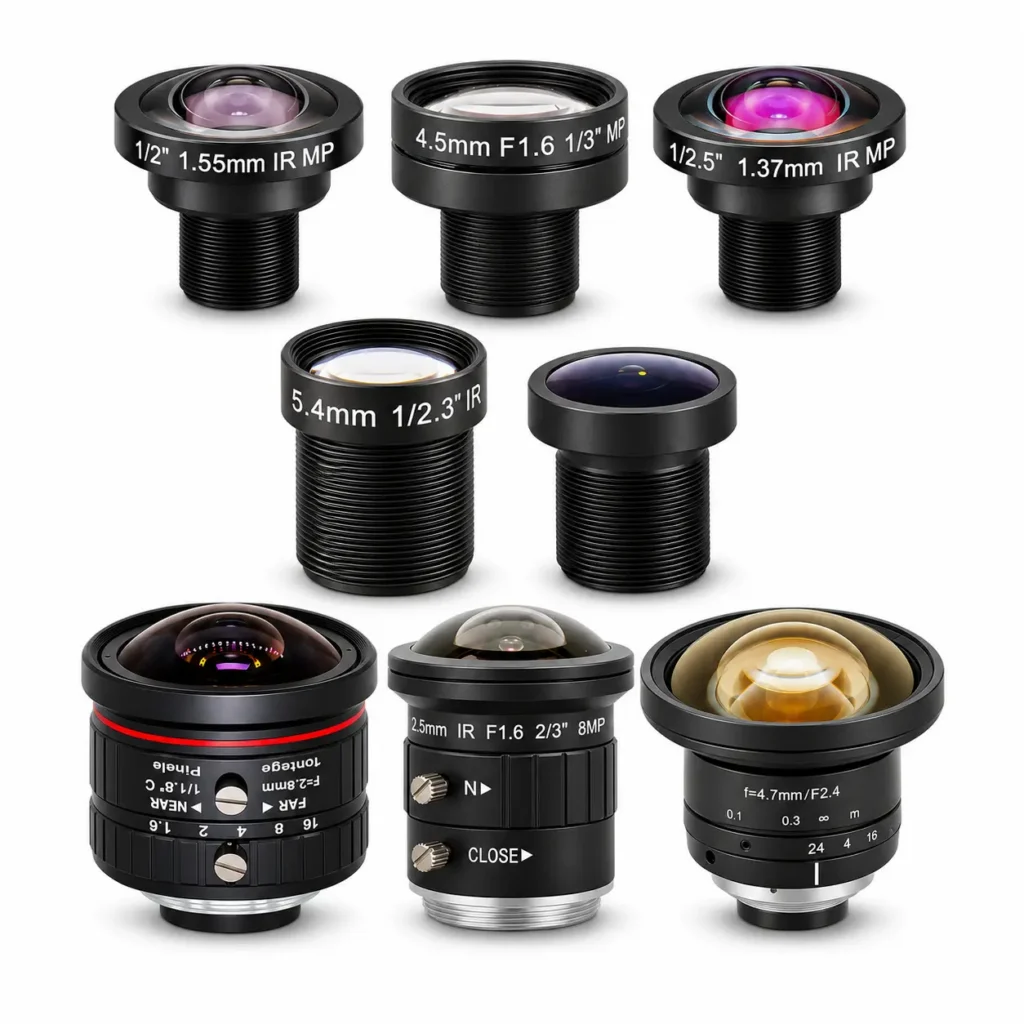
0 matching models
The model catalog is being prepared. Use the lens selection checklist below to outline your requirements.
Wide angle lenses capture a broad scene from a defined camera position, supporting security coverage, compact imaging devices and industrial monitoring. The resulting field of view depends on focal length, active sensor dimensions and lens projection. Define the required horizontal and vertical coverage at your installation distance before comparing candidate models.
Balance coverage with the detail needed at the center and edges of the image. Review distortion, corner illumination, sensor coverage and focus across the working area, then confirm the mount, lens protrusion and enclosure clearance. Evaluate representative scenes with the intended camera; a wide field of view alone does not guarantee useful detail throughout the image.
Use project-defined inputs to prepare a selection brief. Confirm the selected model specifications and agree on test conditions before approval.
| Parameter | Selection input | Verification required |
|---|---|---|
| Coverage | Horizontal, vertical and diagonal field requirements | State the actual active sensor dimensions. |
| Projection | Rectilinear or specified fisheye mapping | Evaluate geometry in the required output. |
| Image detail | Target size, pixel pitch and edge quality | Check useful detail across the field. |
| Working distance | Nearest target and available installation distance | Confirm focus range and depth requirements. |
| Housing | Front element, dome, window and barrel clearance | Check vignetting, reflections and interference. |
| Processing | Crop, calibration or dewarping workflow | Assess the final output rather than raw angle alone. |
Match the lens viewing angles to the actual sensor and scene distance. Check target detail at the edges as well as the extent of coverage.
Distinguish rectilinear imaging from fisheye projection when selecting a wide-field design. Set geometric requirements around the intended output and calibration workflow.
Evaluate relative illumination, corner detail and flare under representative conditions. A short focal length alone does not establish useful wide-field image quality.
Confirm front-element clearance, holder fit and any protective window or dome. Evaluate the installed camera for obstructions and reflections.
Agree on the optical and mechanical acceptance criteria for your Wide Angle Lenses project. Request applicable drawings, test conditions and inspection evidence before approving a production configuration.
Check horizontal, vertical and diagonal coverage, specified projection or distortion, edge detail and illumination on the intended sensor.
Inspect barrel and front-element dimensions, mount interfaces and window or dome clearances.
Verify alignment and focus in the actual housing; evaluate any calibrated, cropped or dewarped output required by the application.
Review appearance, model identification, approved specification revision and protective packaging against agreed requirements. Request applicable inspection records and batch identification before shipment release.
Use this technical reference alongside model-specific specifications and your project test plan. It does not establish certification or performance of a SUPERIOR product.
Define the imaging or optical task and validate the complete system under representative conditions.
Review scene coverage for fixed camera locations. Match target detail and geometry to the selected sensor and installation.
Discuss Your Application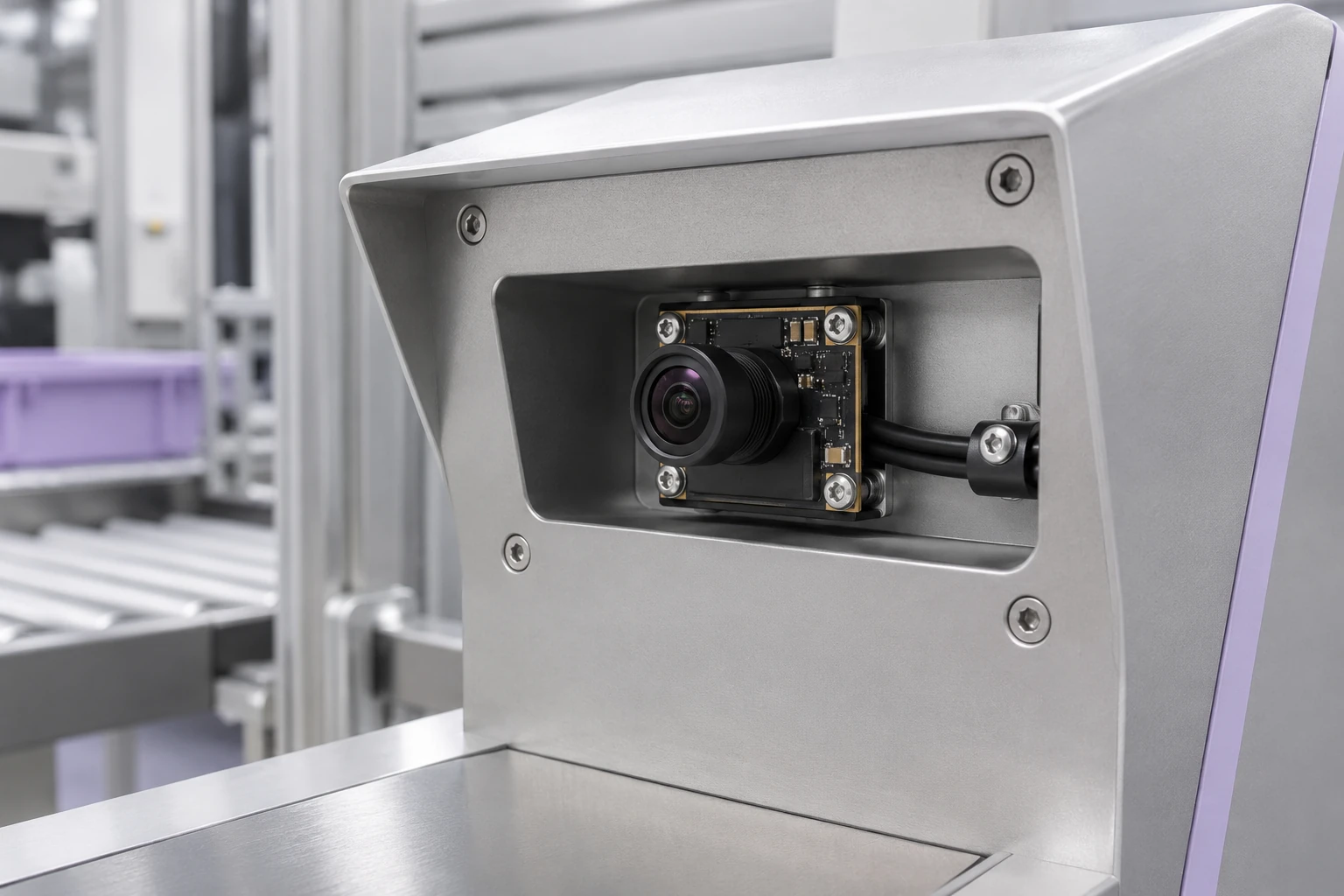
Integrate a wide-field lens where camera space is limited. Check lens protrusion, holder fit and useful image detail.
Discuss Your Application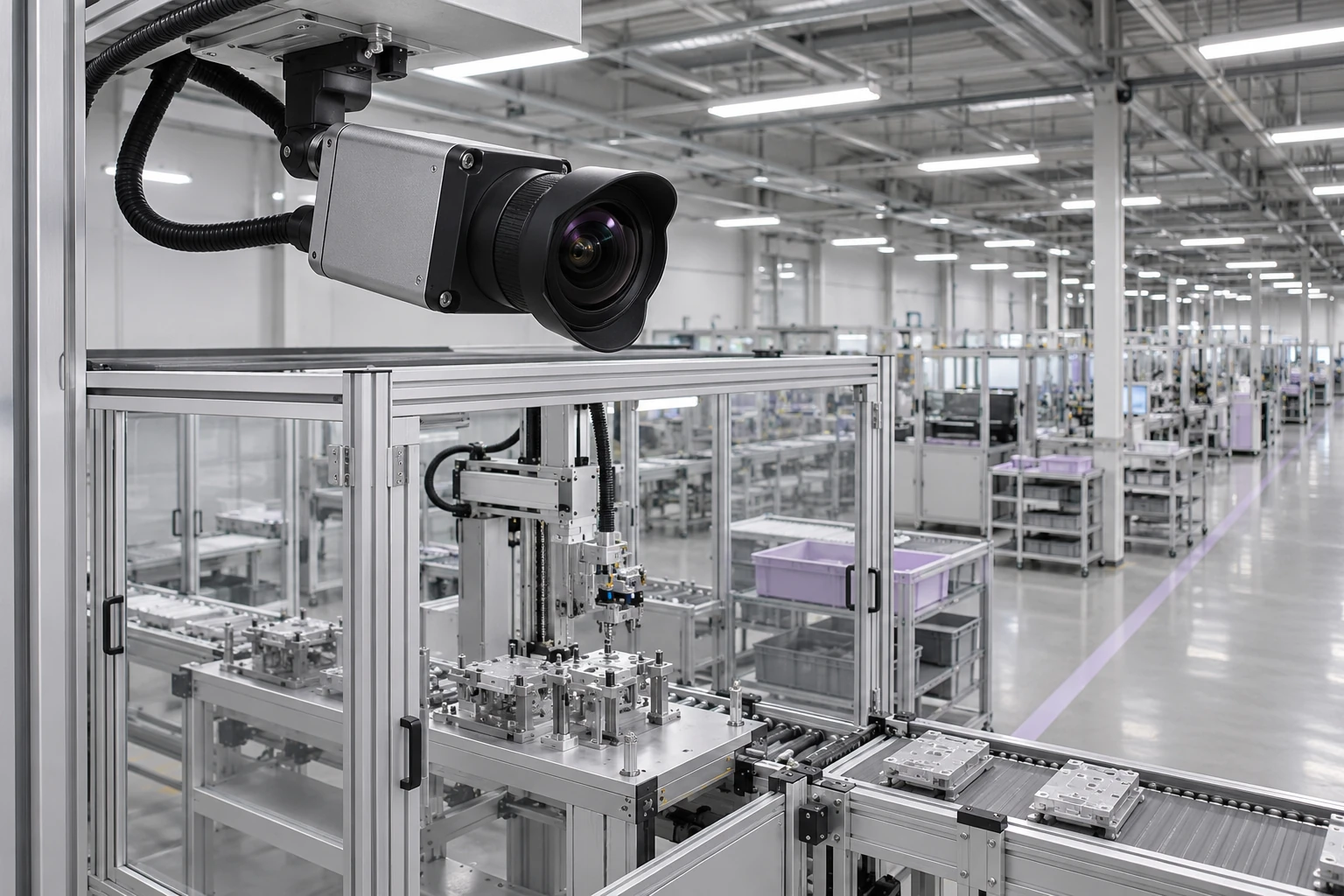
Cover a defined working area from a constrained distance. Evaluate edge performance and perspective against the actual monitoring task.
Discuss Your ApplicationIllustrative application scenes (AI-generated).
Continue the application review with this related product or engineering category.
ExploreReview field of view, sensor coverage, distortion and installation distance before choosing wide angle optics.
Read Selection GuidesDiscuss optical targets, mechanical interfaces, prototype evaluation and production requirements.
Discuss OEM / ODMBUYER QUESTIONS
Selection and project review questions for Wide Angle Lenses.
No. Wide-angle designs can use different projections. A fisheye is a specialized wide-field design and should be identified explicitly.
No. Field of view depends on the sensor dimensions and optical design. Review actual angle data for the intended sensor.
Use representative targets and lighting at the intended working distance, then assess useful detail, illumination and the final processed output.
Send the selection inputs listed above, the relevant drawing and representative targets or process conditions. Request a model-specific feasibility review, sample evaluation plan and quotation before production approval.
PROJECT INQUIRY
Send your wide angle lenses requirements, relevant drawings and evaluation conditions. Request a model-specific feasibility review, sample plan and quotation.
Include a model number or the information currently available:
You do not need a complete optical specification to start. Send the information currently available, along with your delivery destination and preferred schedule.