


01
Camera & imaging lenses
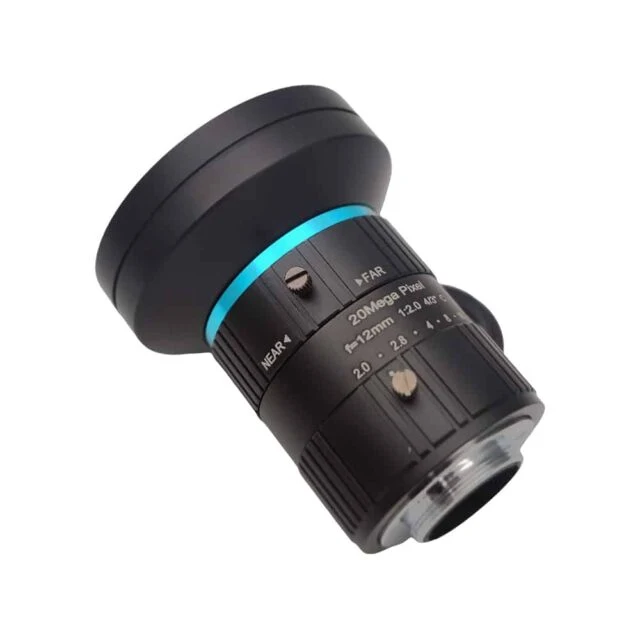
Explore CCTV, M12, machine vision, line scan, telecentric and spectral lens families. Compare the lens against the sensor, scene and installation.
Explore the lens catalogABOUT SUPERIOR OPTICS
Camera and imaging lenses, product selection and custom optical projects — connecting the image you need with the lens that makes it possible.
Meet SUPERIOR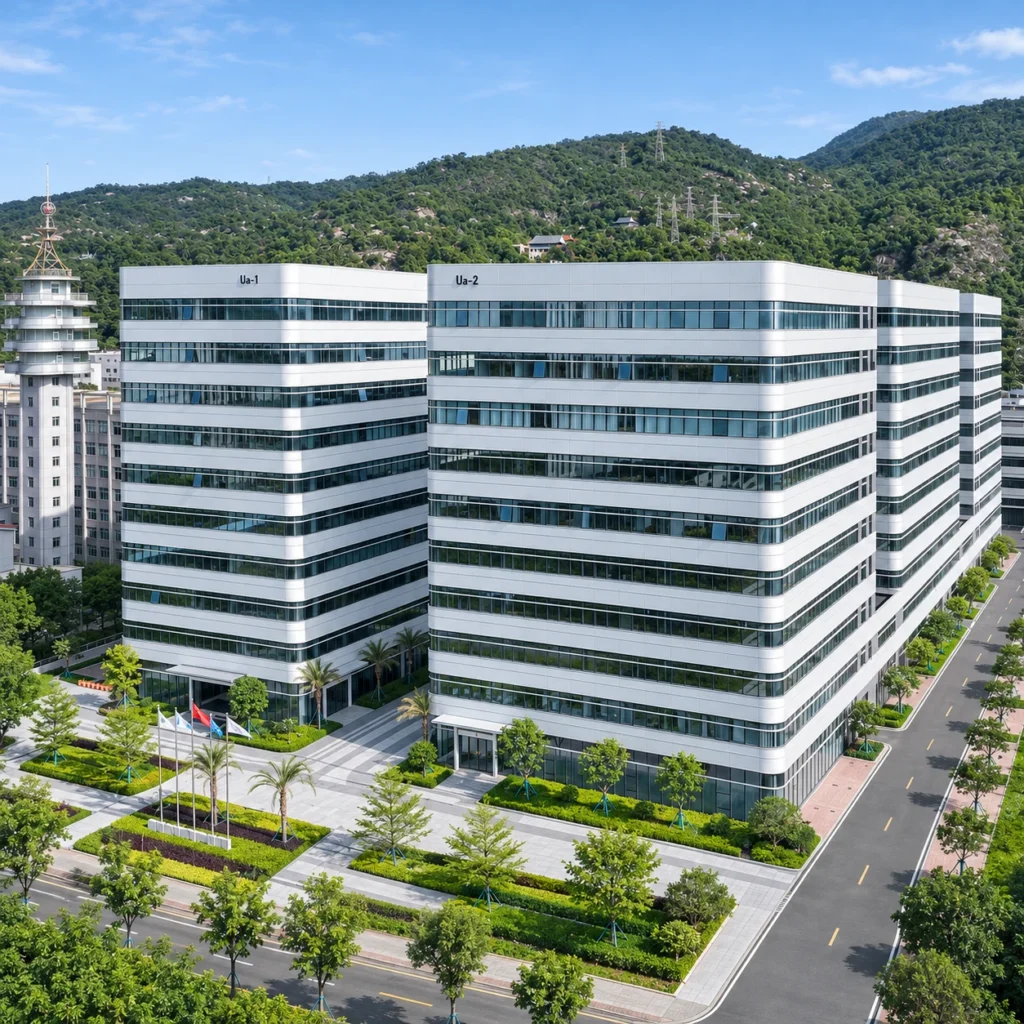
OUR COMPANY
SUPERIOR Optics is the optical lens brand of Fuzhou Superior Electronic and Technology Co., Ltd. Founded in 2002 and based in Fuzhou, China, the company works across camera and imaging lenses, optical design, manufacturing, and inspection.
Our catalog covers CCTV and compact camera optics, as well as lenses for machine vision, line scan, telecentric imaging, and spectral imaging. We help camera brands, distributors, and OEM teams compare catalog models or define a custom brief, from sensor fit and mounting constraints to sample evaluation and inspection criteria.
TWO WAYS TO WORK TOGETHER
Start with a catalog lens when the sensor, field of view and installation are already defined. If the application calls for a different optical design or mechanical interface, bring us a brief for a custom project. Either route starts with the image you need to capture and the conditions in which the camera will operate.
01
Explore CCTV, M12, machine vision, line scan, telecentric and spectral lens families. Compare the lens against the sensor, scene and installation.
Explore the lens catalog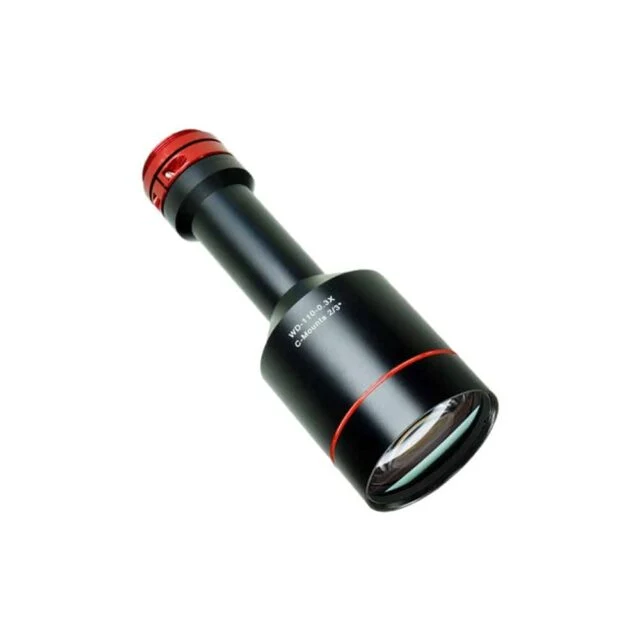
02
Discuss optical targets, mechanical interfaces and sample evaluation when a standard model does not meet the application.
Explore optical engineeringWHAT GUIDES US
At SUPERIOR Optics, we start by asking what the camera needs to capture and where it will operate. That helps us identify the requirements that matter most and agree on what a sample should demonstrate before you make a purchasing decision.
Describe the target, the detail the camera needs to resolve, and the conditions it will operate in.
Define the sensor format, field of view, wavelength band, and mechanical limits that affect lens suitability.
Test representative samples with the intended camera and lens under agreed conditions.
Record approved specifications, responsibilities, and proposed changes as the project develops.
ENGINEERING & QUALITY
SUPERIOR Optics reviews design assumptions, manufacturing scope, and inspection criteria together. That helps you decide what to verify during sample evaluation and what to document before production.
Review optical targets, sensor coverage, and mounting interfaces to confirm what the lens must achieve within the available space.
Optical design servicesIdentify which fabrication and assembly steps apply to the selected lens and what needs to be confirmed before increasing production.
Manufacturing informationAgree on test conditions, acceptance criteria, and the inspection records needed to compare samples or accept a production lot.
Inspection procedureWHO WE WORK WITH
A camera maker may start with a sensor and mount, a distributor with a product range, and an integrator with an inspection task. We use those different starting points to narrow the lens options and identify what to confirm before requesting samples or a quotation.
Sensor matching, integration constraints and model or specification approval.
Lens family selection, model information and quotation requirements.
Application geometry, operating conditions and sample evaluation.
SHARED KNOWLEDGE
Start with the lens selection guides to check sensor coverage, field of view and working distance. Then use the optical lens blog to explore specific imaging questions and decide which measurements or test conditions to include in your brief.