


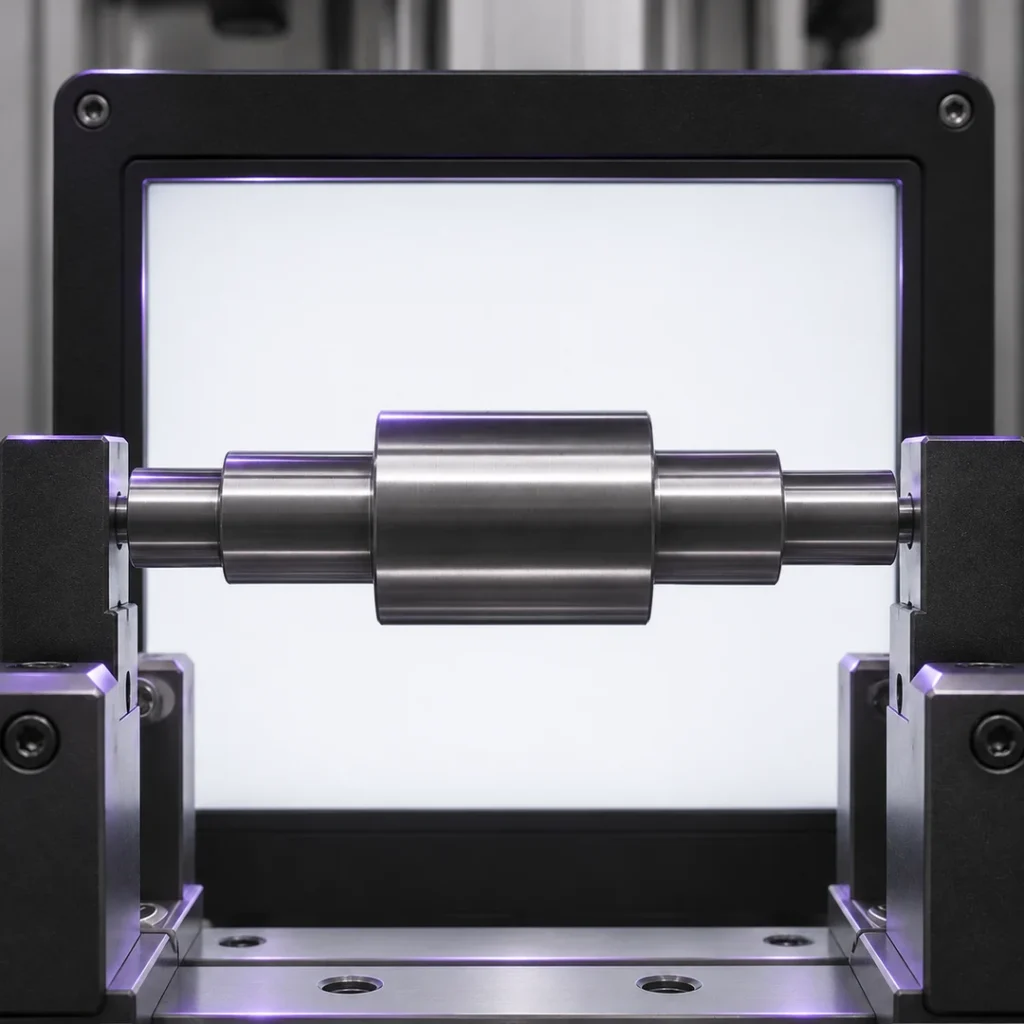
Backlit Profile Gauging
Check diameters or edge gaps against calibrated artifacts. Use consistent backlighting and confirm the edge can be located on each part finish.
SUPERIOR OPTICS / APPLICATIONS
Dimensional Measurement starts with the drawing tolerance and the measurement uncertainty you can accept. Test samples at the lowest and highest expected part positions, repeat the same measurement, and compare the results with a calibrated reference. Consider telecentric imaging when height-driven scale changes consume too much of the error budget.
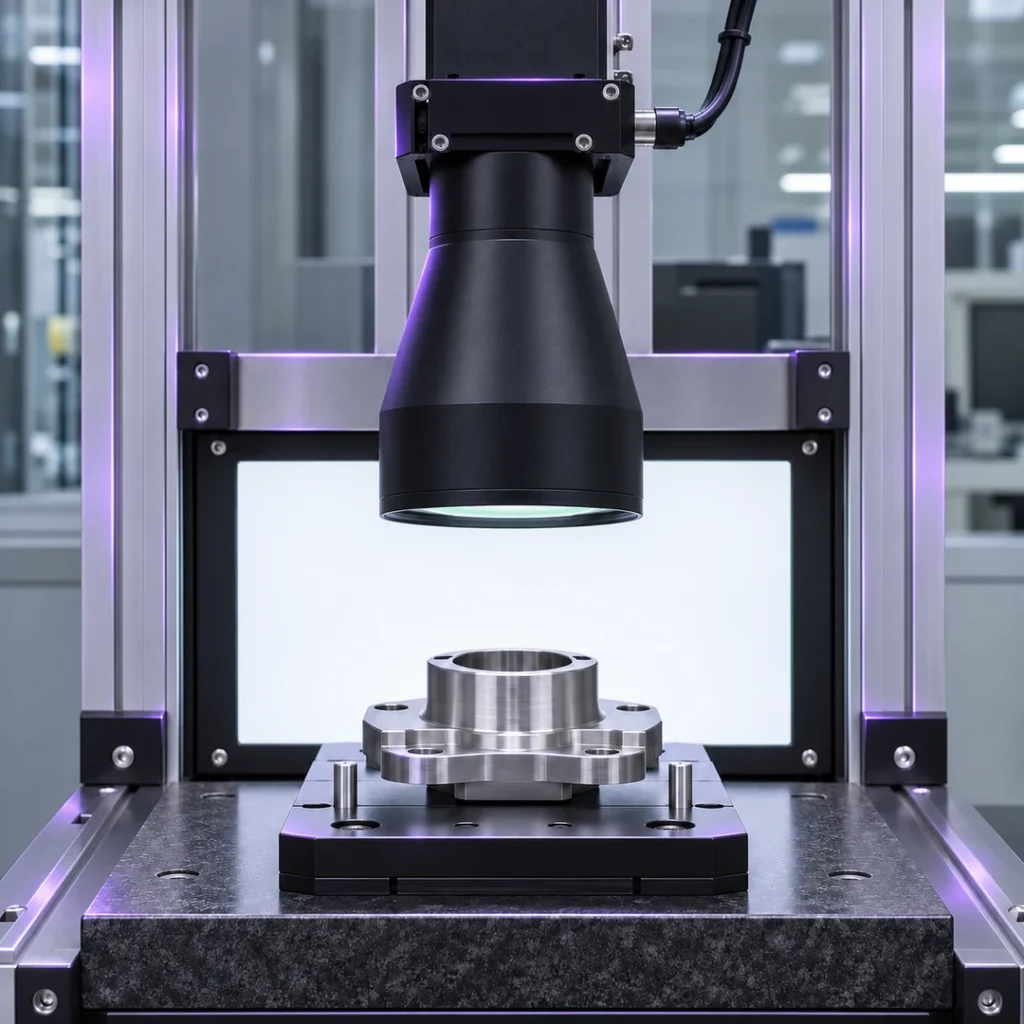
Dimensional Measurement can involve edge-to-edge gauging, parts that sit at different heights, or repeated checks on the same feature. Use these cases to identify where the measurement result can drift and what to include in the validation plan.
Check diameters or edge gaps against calibrated artifacts. Use consistent backlighting and confirm the edge can be located on each part finish.
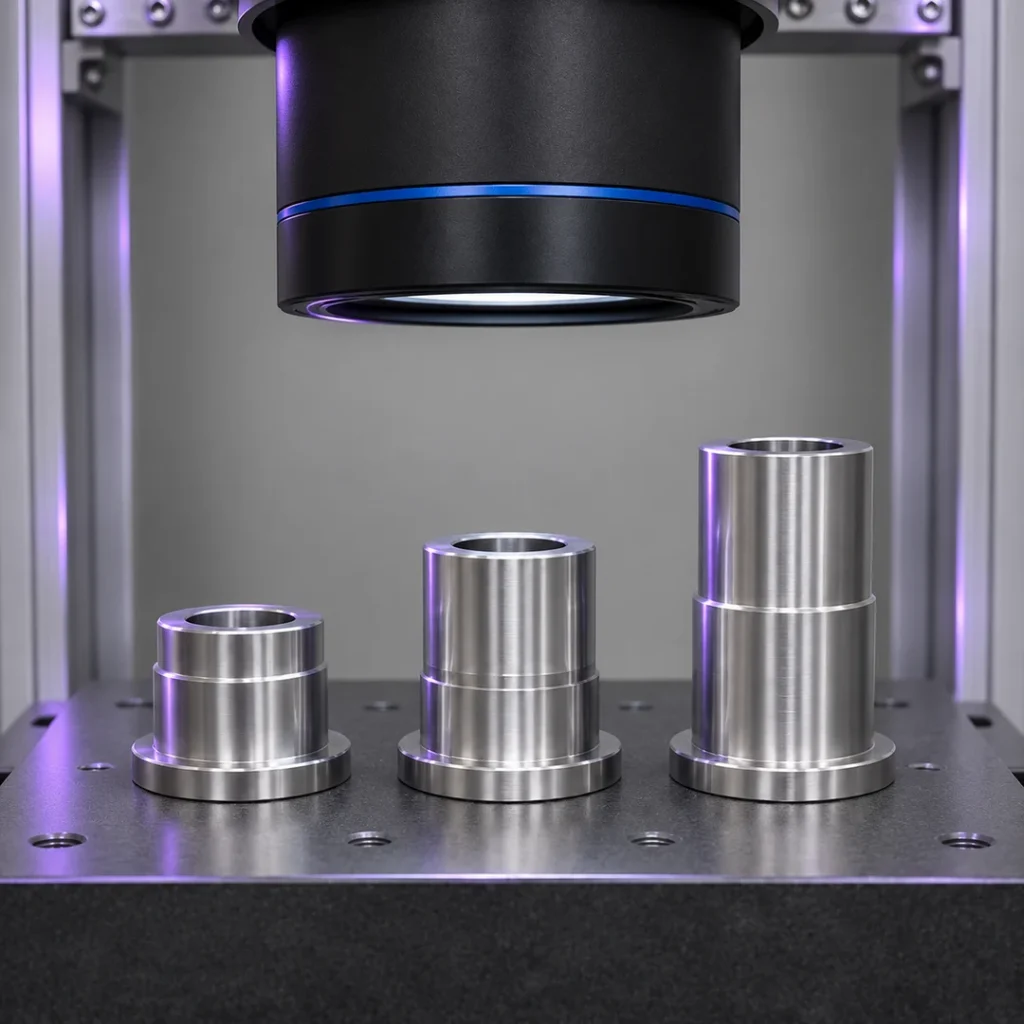
Move a part through the expected height range and measure the same feature at each position. Compare scale drift with the uncertainty budget.
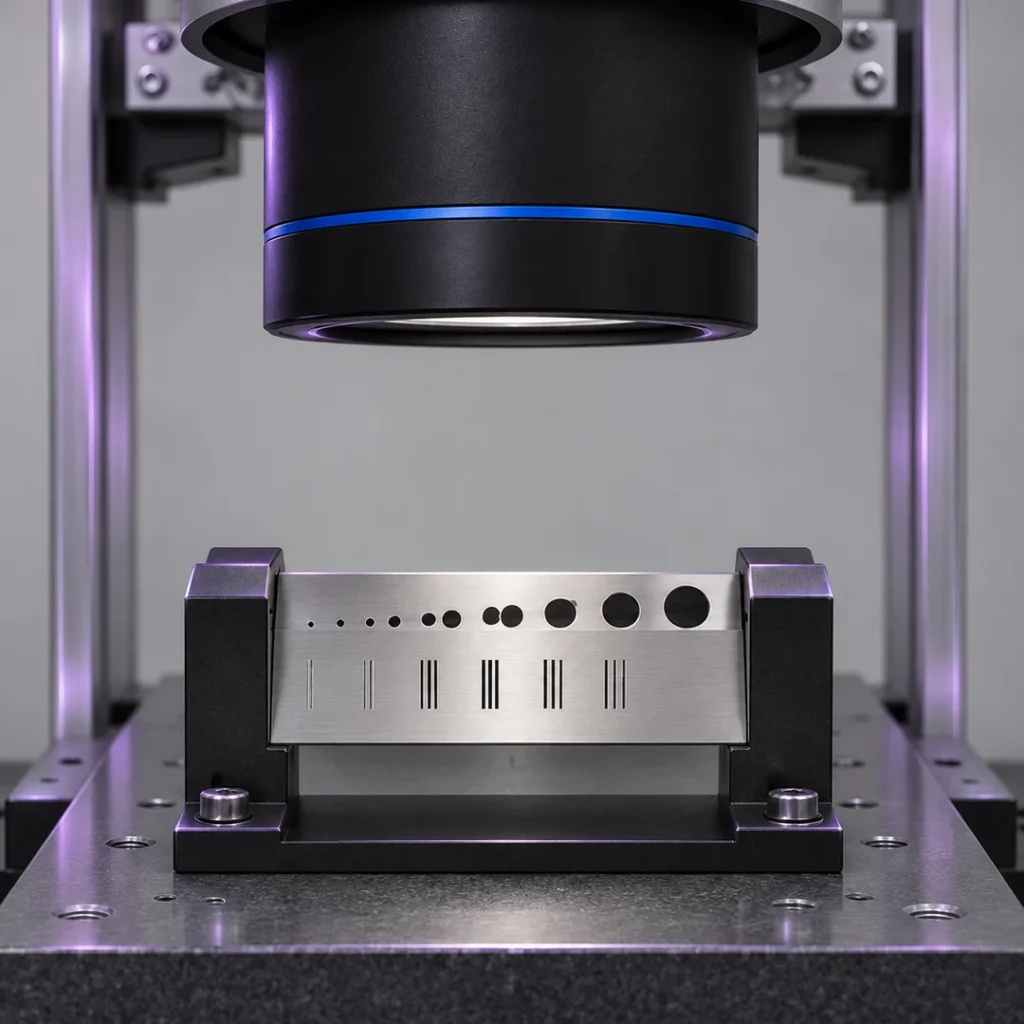
Measure a reference part several times after repositioning it. Record the spread before assuming the measurement is stable enough for the drawing tolerance.
Dimensional Measurement depends on scale stability, edge quality, and repeatability together. Test across the expected height and orientation range, and compare the results against a reference artifact with known dimensions.
Use the drawing tolerance to set an allowable measurement error. Choose magnification that gives the smallest feature enough image detail.
Record the lowest and highest part positions allowed by the fixture. Measure the same feature at both limits and check for changes in scale.
Use a calibrated target to check scale and distortion across the measurement area. Verify the result at the center and near the edges.
Reposition the same reference part between readings. Compare the spread with your repeatability limit and the average with the known dimension.
Dimensional Measurement can benefit from a telecentric lens when height changes affect scale. Evaluate conventional machine vision optics when distance is tightly controlled, and compare both options using the same reference artifacts.
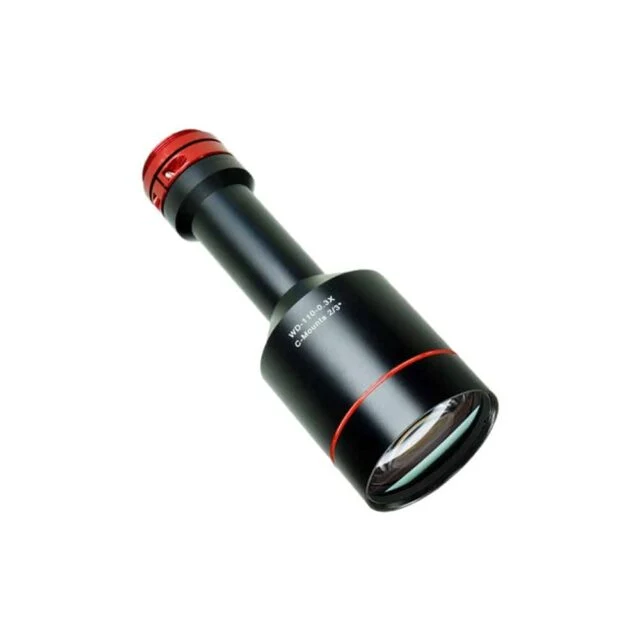
Consider telecentric lenses when part height varies and apparent size affects the measurement. Test representative parts across the expected height range to see whether readings stay within tolerance.
Browse Telecentric Lenses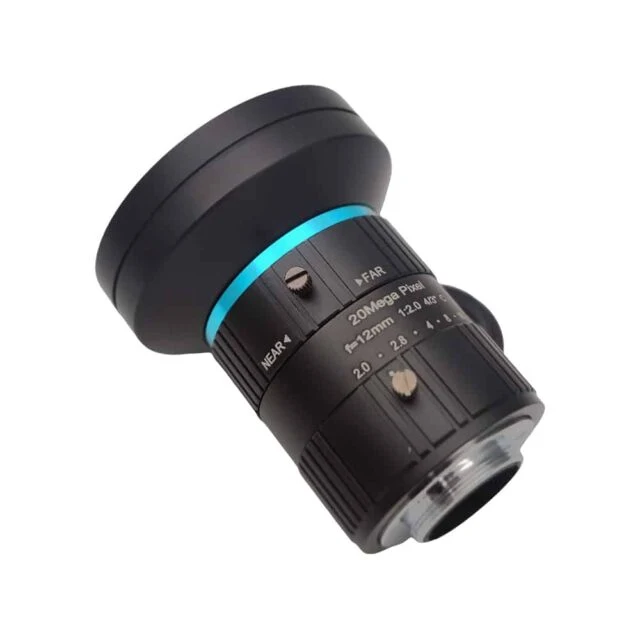
Compare lenses for robot guidance, assembly checks, and defect inspection. Verify field of view, working distance, and whether the lens preserves enough detail to see the smallest feature reliably.
Browse Machine Vision LensesFor Dimensional Measurement, first decide whether part height variation calls for telecentric imaging. Then use your measurement error budget to select a lens and plan tests with reference parts.
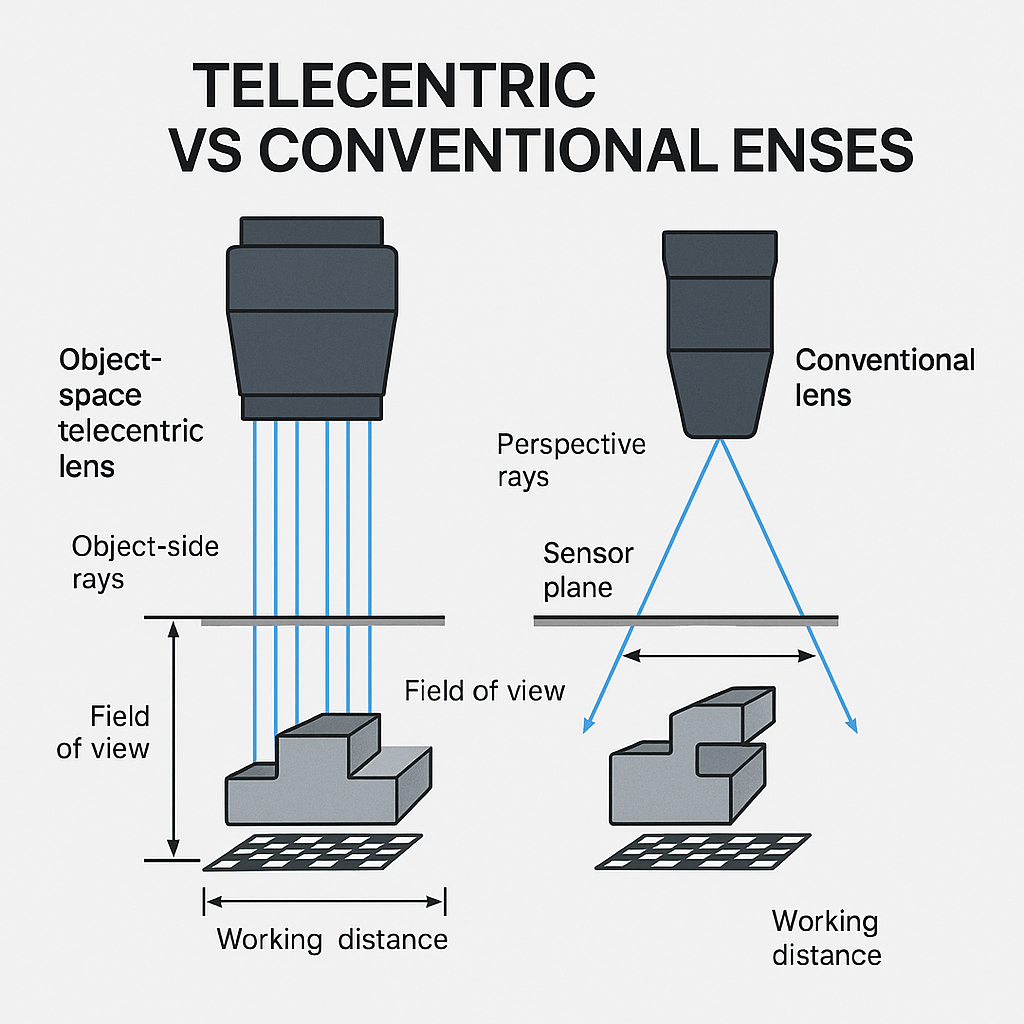
Compare how each lens type handles changes in part height and apparent size.
Read Guide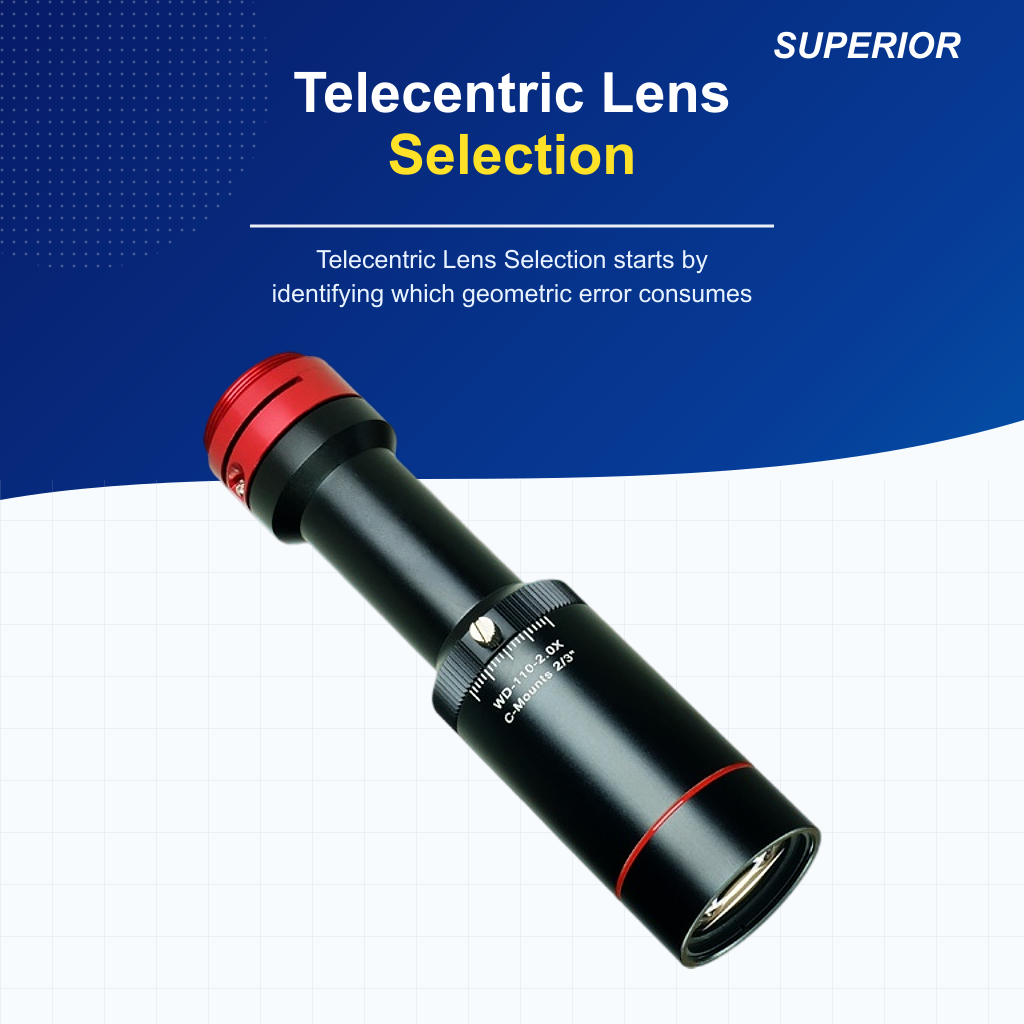
Match magnification, sensor size, and working distance to your tolerance.
Read Guide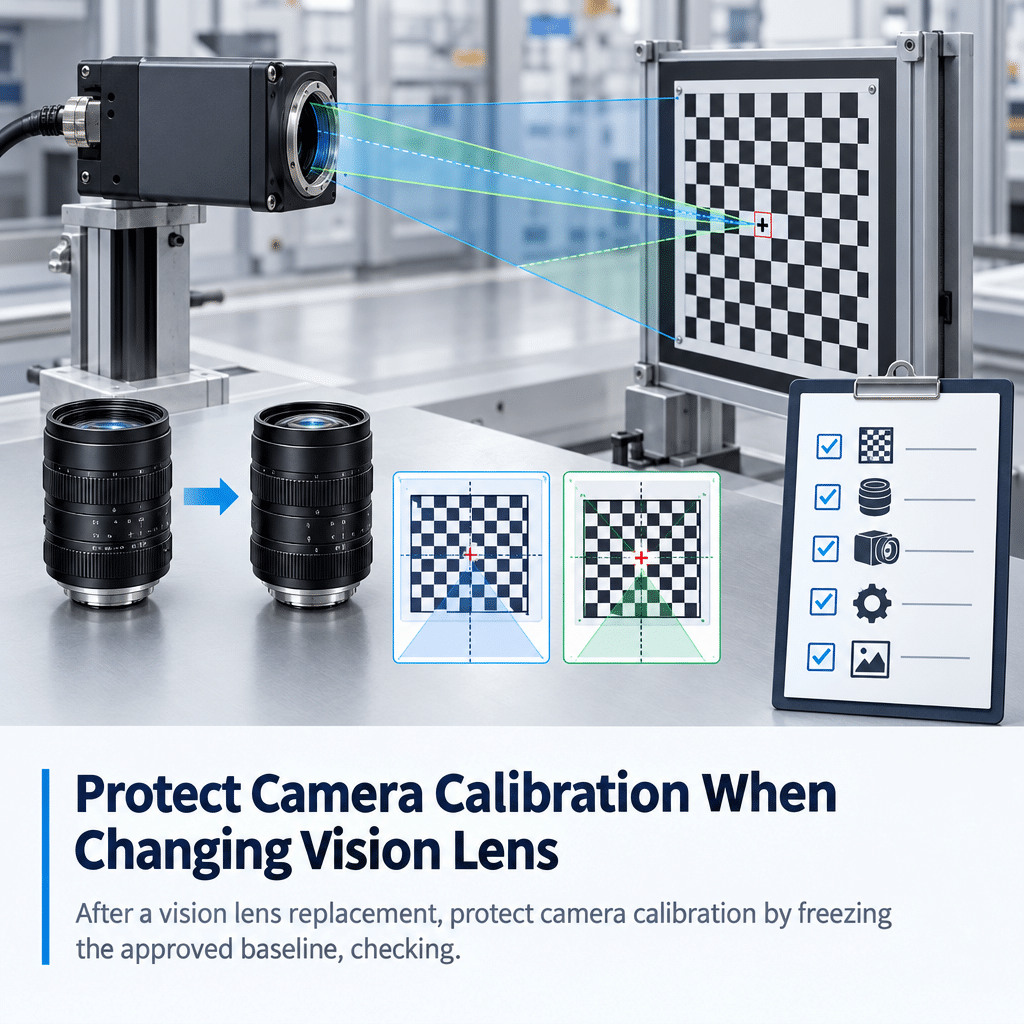
Check scale and measurement repeatability on reference parts after replacing the lens.
Read GuideBUYER QUESTIONS
Answers to common Dimensional Measurement questions about choosing optics and verifying the finished setup.
When changes in part height or working distance cause unacceptable changes in measured size.
No. You still need to verify scale, distortion, alignment, and the edge detection method.
Measure the same reference feature multiple times, including after reloading the part, and report the spread of results.
Use expected part height and fixture variation. Test both limits and verify usable edge contrast throughout the range.
PROJECT INQUIRY
For Dimensional Measurement, share the drawing tolerance, feature dimensions, working distance, expected height variation, and repeatability target. A calibrated sample or reference drawing helps define the validation.
Include a model number or the information currently available:
You do not need a complete optical specification to start. Send the information currently available, along with your delivery destination and preferred schedule.