
+86 591 8379 6881

High Temperature Pinhole Lenses

SUPERIOR OPTICS / CATEGORY

High Temperature Pinhole Lenses for Industrial Monitoring

High temperature pinhole lenses give industrial cameras a view through small or recessed ports in furnaces, kilns and hot-process equipment. SUPERIOR can review the port geometry, camera position, imaging band and thermal exposure for your installation. If the project requires numerical temperature readings, specify the radiometric camera, target range and measurement requirements for a system review.

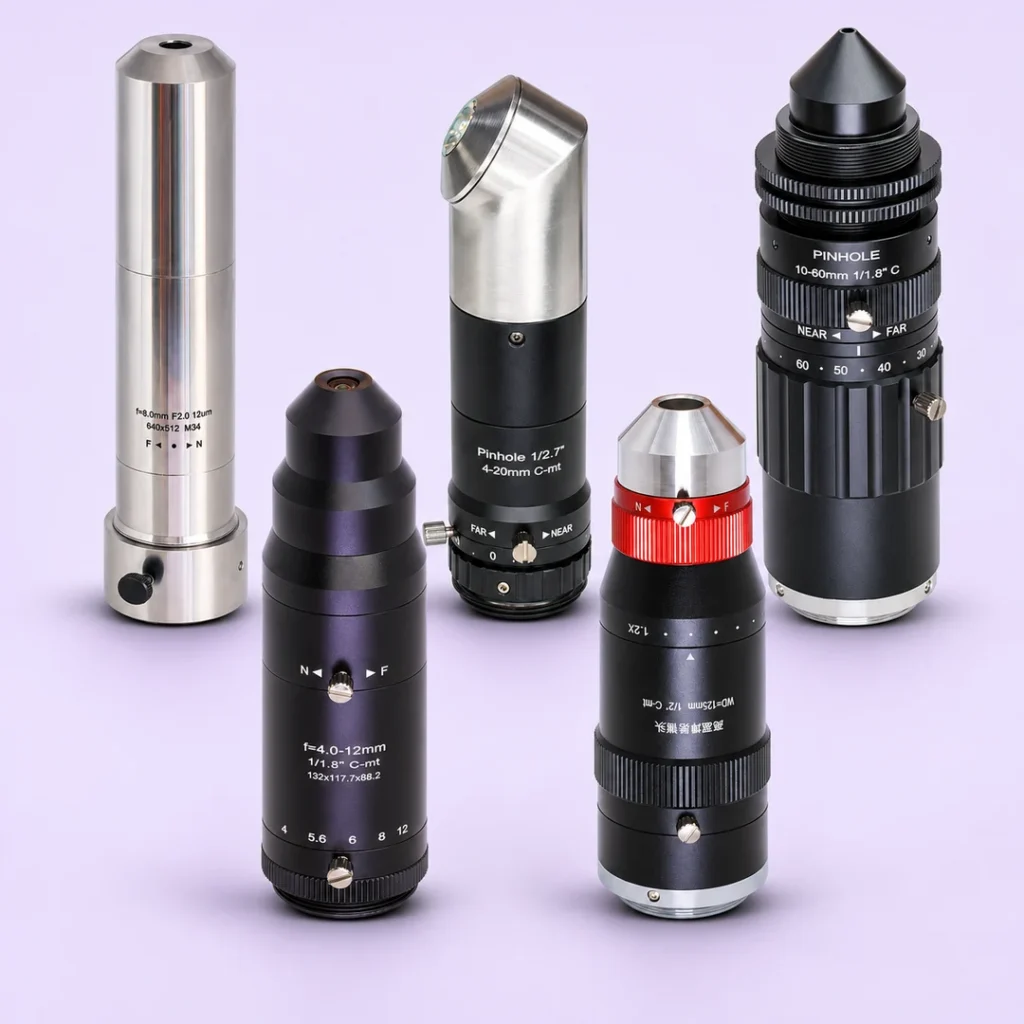
Five high temperature pinhole lenses configurations, including straight and angled probes

Explore High Temperature Pinhole Lenses

Filter Lens Models
Required Focal Length (mm)
Mount
Mount

No rated values available.

Sensor Format
Sensor Format

No rated values available.

Iris Option
Iris Option

No rated values available.

Operating Wavelength (nm)
Clear All

Select multiple options within a field to match any; different fields combine. Choices appear only when model data is entered. Unknown values do not satisfy a selected specification. Resolution ratings require confirmation against sensor and pixel conditions. Focal length, wavelength and magnification must fall within the stated model range.

0 matching models

The model catalog is being prepared. Use the lens selection checklist below to outline your requirements.

Selection Checklist for High Temperature Pinhole Lenses

Use this checklist to shortlist high temperature pinhole lenses for your furnace, kiln or hot-process camera. Record the viewing opening, target area and exposure at the lens tip, barrel and camera. Confirm the optical and mechanical fit, then agree on test conditions for the complete assembly before approving a model.

Selection Checklist for High Temperature Pinhole Lenses
ParameterSelection inputVerification required
Observation geometryWindow recess, aperture and required viewCheck probe reach, clearance and vignetting.
Optical configurationFixed or adjustable focal range as specifiedConfirm focus behavior and control access.
Heat exposureLens tip, body and camera temperature conditionsDistinguish ambient, radiant exposure and actual part limits.
ProtectionCooling, purge, windows and housing responsibilitiesValidate the complete installation design.
Camera and imaging bandSensor, mount, spectral band and whether the system needs video or numerical temperature readings.Check usable image detail and transmission through the optics and window. For radiometry, verify complete system calibration.
AcceptanceExposure duration, process conditions and test methodRequest model-specific evidence; do not infer a furnace temperature rating.

Technical Reference

Use this technical reference alongside model-specific specifications and your project test plan. It does not establish certification or performance of a SUPERIOR product.

Key Features and Advantages

The right configuration depends on how far the viewing tip must reach, where the camera can sit and what the operator needs to see. Compare these factors before deciding on a straight or angled probe and a fixed or adjustable focal length.

  • Imaging Through Restricted Openings

    Pinhole Lenses provide a compact viewing tip for imaging through a limited front opening. Match the lens entrance geometry, panel thickness and tip position to the required viewing angle; check the complete housing for obstruction and vignetting.

  • CS, M12 & M9 Mount Options

    Compare available models by the specified mount and thread pitch, sensor coverage and focusing arrangement. Confirm holder engagement, rear clearance and flange requirements where applicable; mount size alone does not establish optical compatibility.

  • Field of View & Sensor Matching

    Select focal length and image-circle coverage for the intended sensor and object distance. Evaluate useful field of view, edge detail and distortion using the actual camera, viewing opening and housing configuration.

  • OEM Housing & Illumination Integration

    Review barrel dimensions, viewing-tip placement, filter configuration and installation space for your camera assembly. Evaluate samples under the planned lighting and exposure, and agree on focus retention and acceptance criteria before production.

Manufacturing and Quality Control

Evaluate high temperature pinhole lenses in a setup that represents the intended installation. Check field of view, focus and image detail through the specified port or window. Verify mechanical fit and alignment, and agree on what evidence is needed for exposure duration, component temperatures and protective hardware.

  • Optical Performance Checks

    Evaluate center and edge detail, distortion and illumination uniformity at the intended object distance. Check the usable field of view through the actual panel opening, and confirm any visible or infrared performance requirements for the selected model.

  • Mechanical & Mount Inspection

    Verify the specified CS, M12 or M9 interface, applicable thread pitch and critical dimensions against the approved drawing. Check tip diameter, protrusion, holder engagement and rear clearance for interference with the sensor, filters or housing.

  • Assembly & Focus Verification

    Set focus with the intended camera and installed viewing-tip geometry. Check image alignment and focus retention; where adhesive locking is used, agree on the process and inspect image quality after curing.

  • Final Inspection & Traceability

    Review appearance, clean optical surfaces, model identification and protective packaging against agreed requirements. Request applicable inspection records, batch identification and approved specification revisions before shipment release.

High Temperature Pinhole Lenses for Furnaces, Kilns & Hot Processes

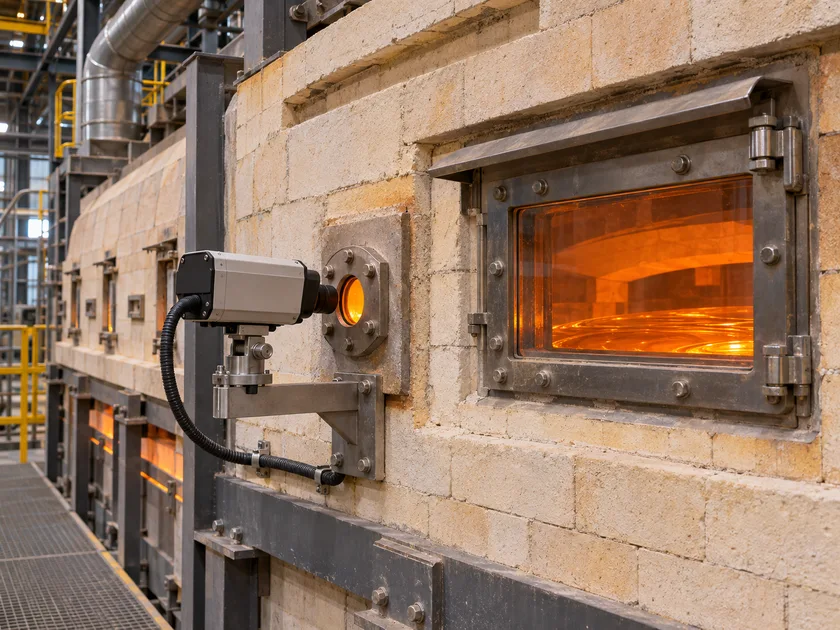
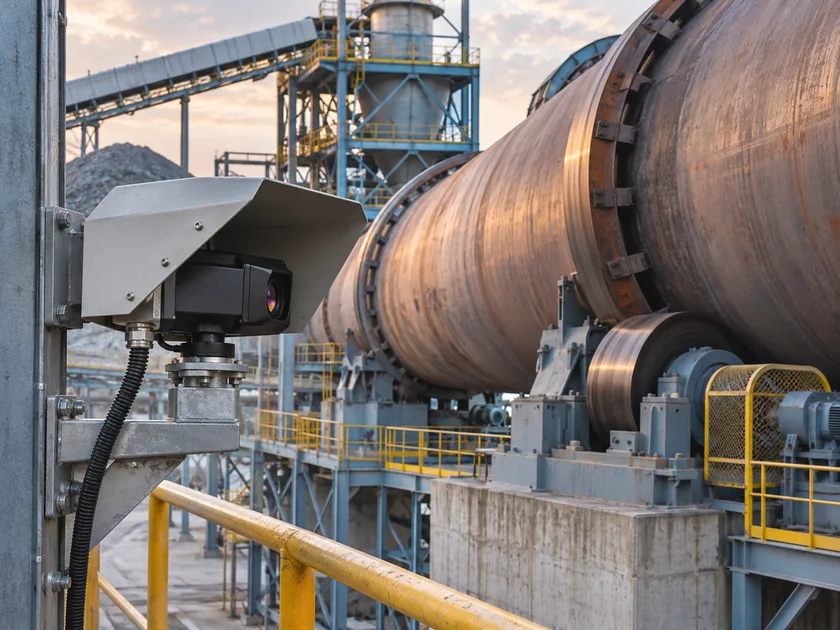
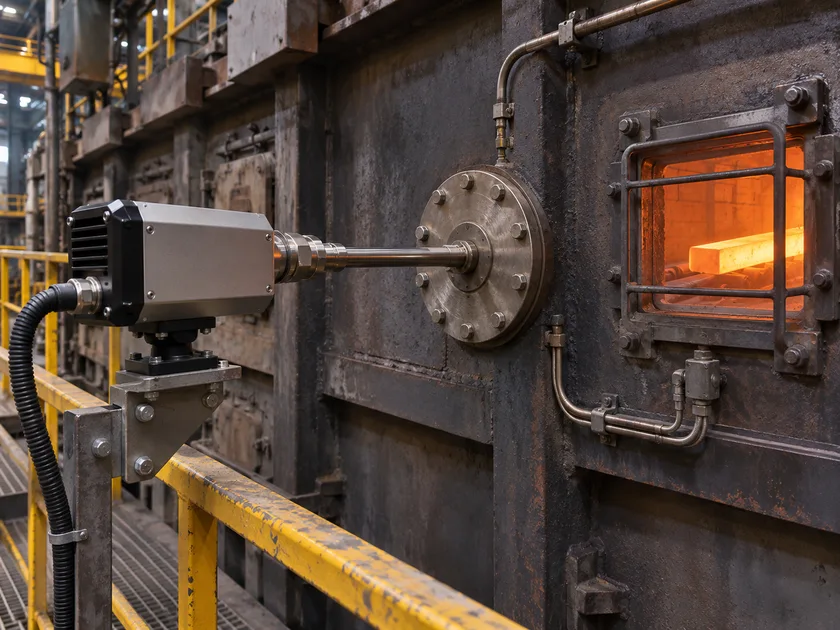
High temperature pinhole lenses help operators view hot processes where access is limited by a small or recessed port. Start by defining what the camera must show: steel movement, molten glass behavior or a target for temperature measurement. Match the lens, camera and protective hardware to that task.

Illustrative application scenes.

Related Products & Engineering Support

Compare high temperature pinhole lenses with standard pinhole optics and wavelength-specific infrared lenses before finalizing the camera setup. If your port geometry, spectral band or operating conditions call for a special configuration, share your drawings and intended test conditions with our engineering team.

Pinhole Lenses

Browse standard pinhole lenses for restricted openings when the installation does not require a verified high-temperature configuration.

Explore

Infrared Lenses

Compare infrared options by spectral band and camera compatibility. For temperature measurements, verify how the lens and window affect system calibration.

Explore

Custom Lens OEM / ODM

Share your port drawing, camera interface and optical requirements. Define the required probe geometry, protection and acceptance tests for the proposed configuration.

Discuss OEM / ODM

BUYER QUESTIONS

Frequently Asked Questions

Selection and project review questions for High Temperature Pinhole Lenses, covering heat ratings, camera placement and focal length options.

Can a pinhole lens measure temperature?

A lens can route infrared radiation to a compatible sensor. Numerical readings require a calibrated radiometric system and appropriate compensation for emissivity, reflections and any protective window.

Does furnace temperature equal the lens or camera rating?

No. Component exposure depends on position, duration and protection. Provide the process temperature and expected conditions at each component separately for a model-specific review.

Can the camera sit farther back from a recessed observation port?

An extended probe may allow a different camera position. Confirm probe reach and support, then verify the field of view through the actual port geometry.

When should I specify an adjustable focal length?

Consider it when the target area or working distance may change. Confirm the adjustment range, focus behavior and access to the controls on the proposed lens.

PROJECT INQUIRY

Request a High-Temperature Lens Review

Send your viewing port drawing, camera model, target area and expected heat exposure. Specify whether you need visual monitoring or calibrated temperature readings, and note any protective window, cooling or purge setup.

Prepare Your Lens Inquiry

Include a model number or the information currently available:

  • Application and sensor details
  • Field of view, working distance and wavelength
  • Sample quantity or expected annual volume
  • Delivery destination and preferred schedule
Contact SUPERIOR

You do not need a complete optical specification to start. Send the information currently available, along with your delivery destination and preferred schedule.