


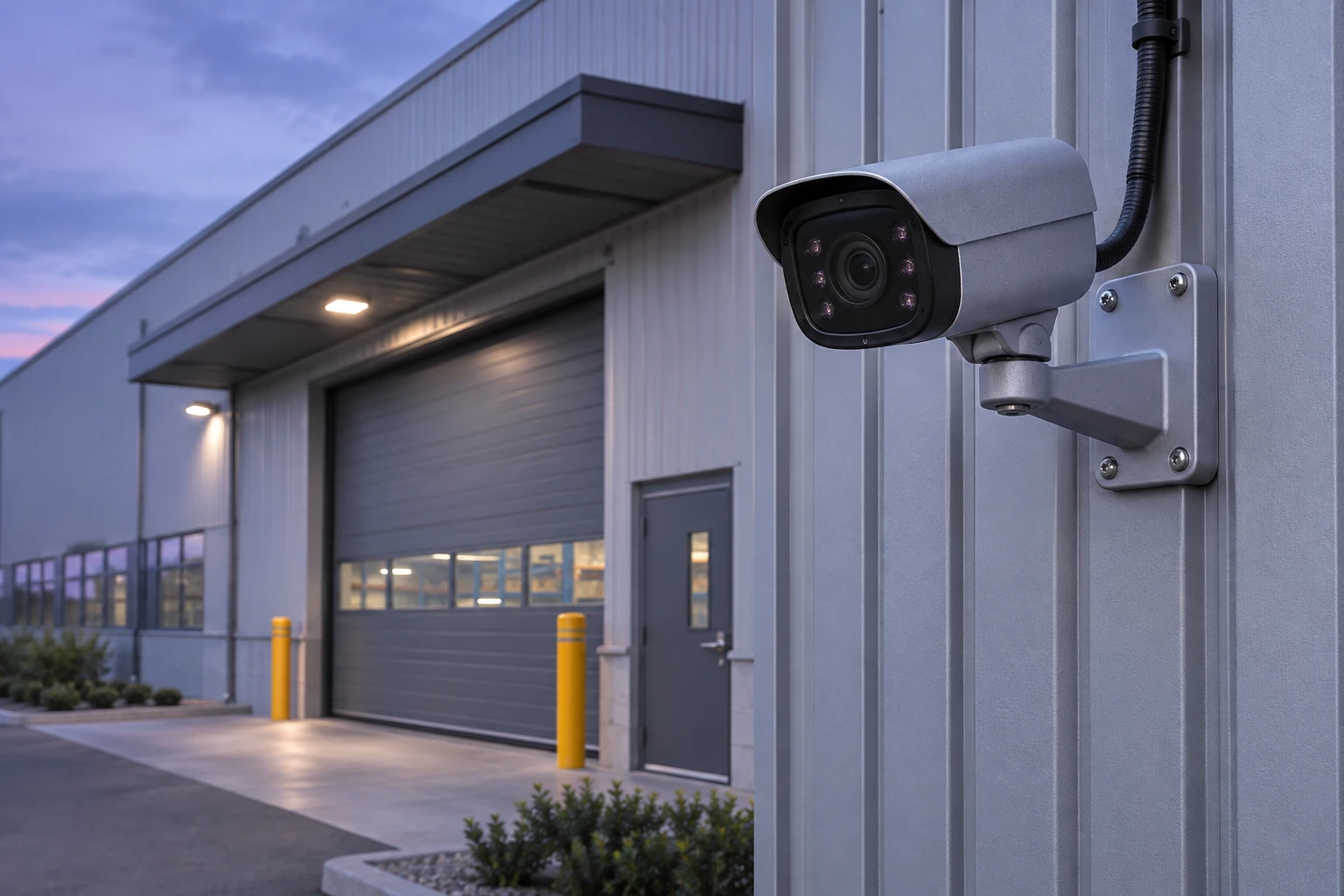
NIR Camera Evaluation
Evaluate scene detail with a specified near-infrared illuminator and compatible sensor. Check exposure, focus and filtering under representative conditions.
Discuss Your ApplicationSUPERIOR OPTICS / CATEGORY
Infrared lenses must match the operating wavelength band, detector and imaging geometry. SUPERIOR reviews application requirements for infrared lens selection, including sensor coverage, focal length, transmission and mechanical interfaces. Specify whether your project uses near-infrared illumination, SWIR imaging or a thermal detector before requesting model-specific feasibility and performance data.
0 matching models
The model catalog is being prepared. Use the lens selection checklist below to outline your requirements.
Infrared lenses collect and focus light within a specified infrared wavelength band for a compatible detector. NIR and SWIR systems often image reflected or transmitted light, while MWIR and LWIR systems are commonly used for thermal imaging. Lens materials, anti-reflection coatings, detector windows and focus performance must match the actual operating spectrum; one IR lens does not cover every infrared band.
Start with the detector, field of view, focal length, aperture and mounting geometry, then verify transmission, image quality and temperature-related focus behavior for the complete system. Band labels provide a starting point, while model-specific wavelength limits and test conditions determine suitability.
Use project-defined inputs to prepare a selection brief. Confirm the selected model specifications and agree on test conditions before approval.
| Parameter | Selection input | Verification required |
|---|---|---|
| Operating band | State wavelength limits and spectral weighting | Confirm material, coating and detector compatibility. |
| Detector | Active dimensions, pixel pitch and detector type | Check usable image circle and sensor window. |
| Scene geometry | Field of view and object distance | Review focal length, focus range and installation clearance. |
| Transmission | Required band and test conditions | Request a model-specific curve; a band label is not measured transmission. |
| Temperature | Lens, detector and ambient conditions | Evaluate focus behavior and any calibration requirements. |
| Interface | Mount, filter stack and rear clearance | Verify the approved assembly drawing. |
Match the stated wavelength range to the source, detector and optical materials. Treat NIR, SWIR and thermal imaging as different selection cases; confirm the operating band of each proposed model.
Review active sensor dimensions, pixel pitch and any detector window. Evaluate image detail and usable coverage with the intended camera rather than inferring compatibility from a format label.
Request applicable spectral transmission and focus data under defined conditions. Review aperture, exposure and illumination together when comparing candidate infrared optics.
Check the mount, rear clearance and protective-window arrangement. Define the actual lens temperature range and assess image quality across the planned operating environment.
Agree on the optical and mechanical acceptance criteria for your Infrared Lenses project. Request applicable drawings, test conditions and inspection evidence before approving a production configuration.
Measure applicable image quality, transmission and focus behavior within the specified band using the intended detector or a documented test setup.
Check mount dimensions, detector-window clearance, filters and housing interfaces against the approved drawing.
Verify alignment and focus at the defined wavelength and object distance; agree on temperature-related checks where required.
Review appearance, model identification, approved specification revision and protective packaging against agreed requirements. Request applicable inspection records and batch identification before shipment release.
Use this technical reference alongside model-specific specifications and your project test plan. It does not establish certification or performance of a SUPERIOR product.
Define the imaging or optical task and validate the complete system under representative conditions.
Evaluate scene detail with a specified near-infrared illuminator and compatible sensor. Check exposure, focus and filtering under representative conditions.
Discuss Your Application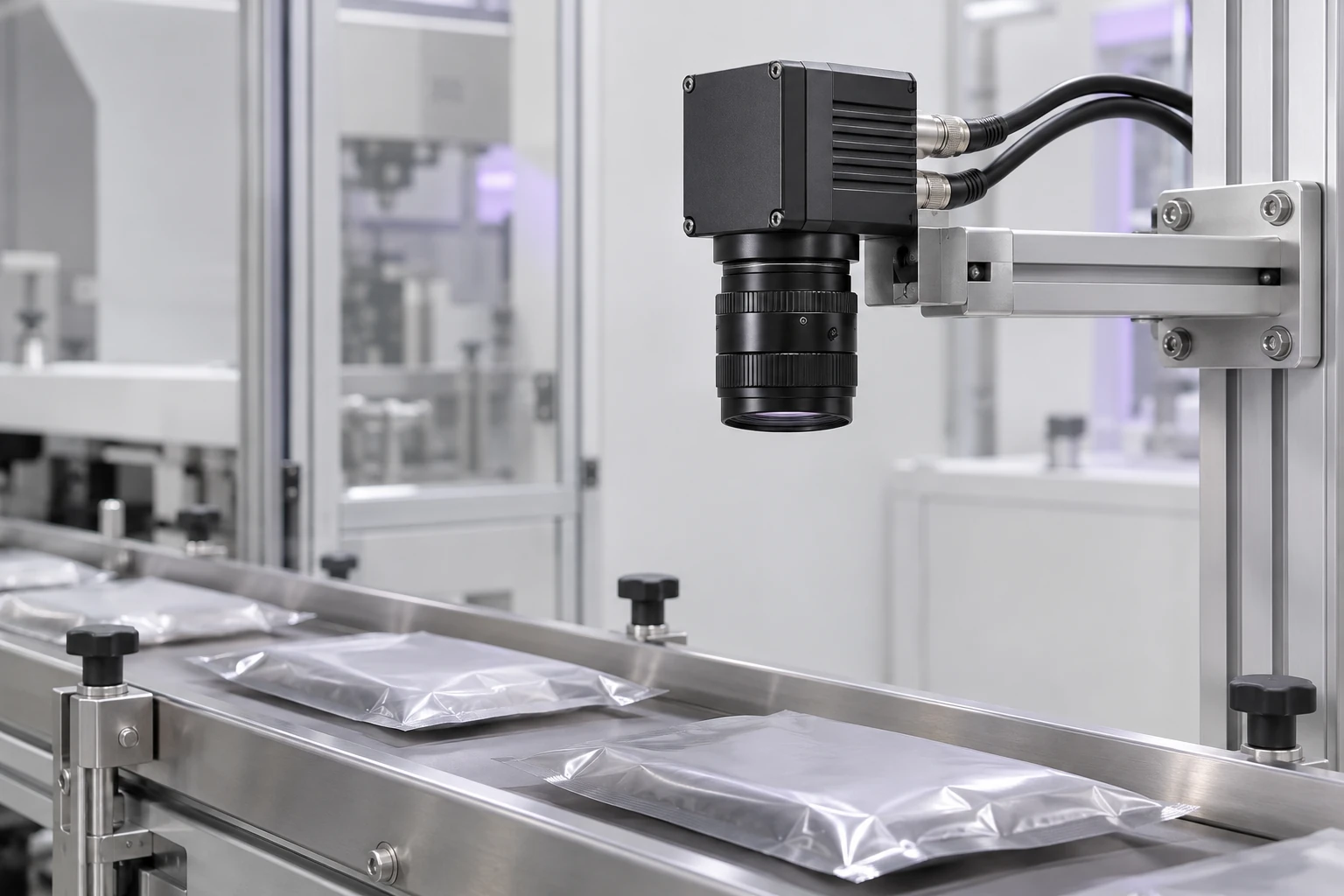
Review infrared imaging requirements for material inspection. Define the detector band, target contrast and illumination before selecting a suitable lens family.
Discuss Your Application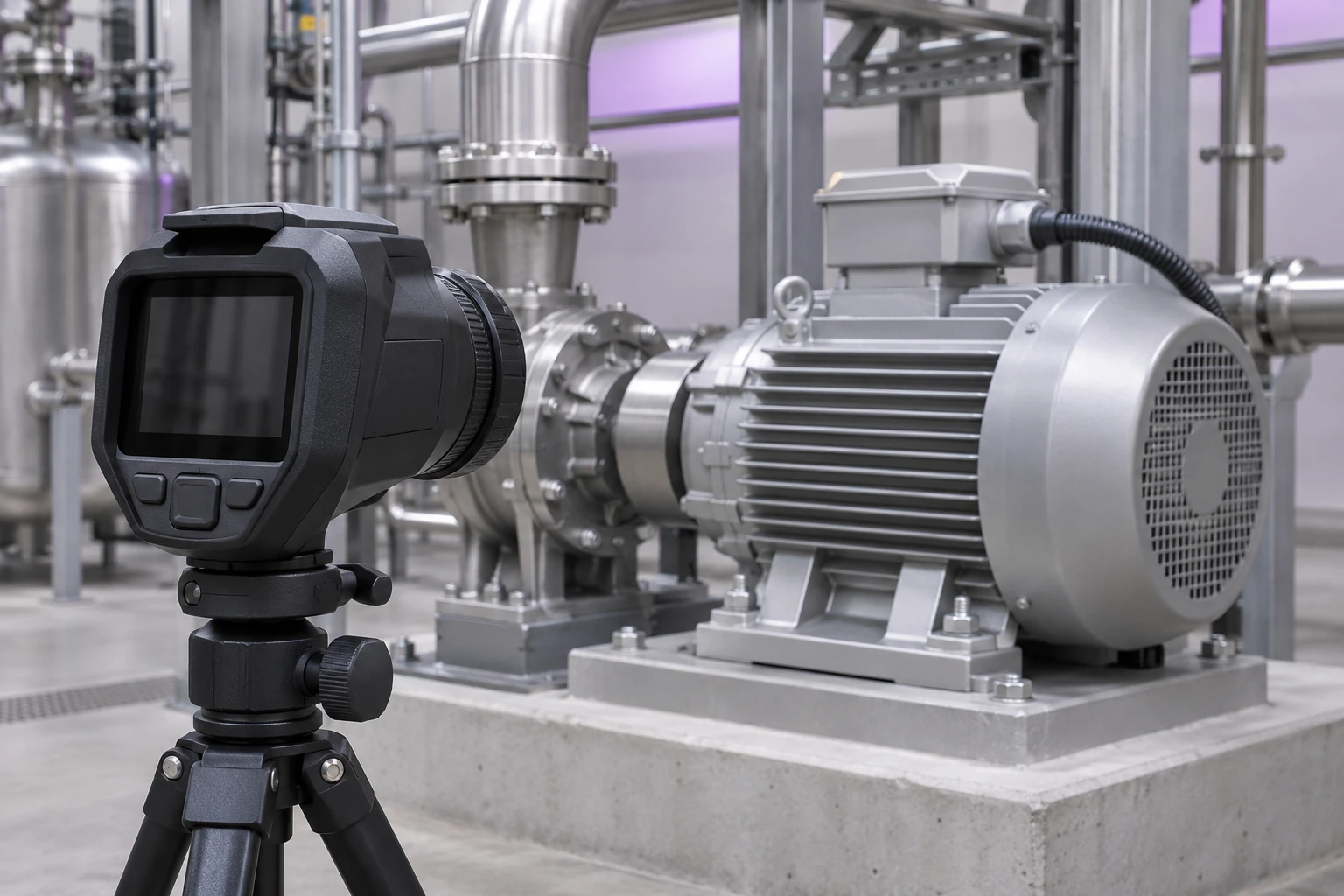
For thermal-detector projects, confirm wavelength compatibility and model feasibility first. Review window transmission, temperature conditions and calibration with the camera supplier.
Discuss Your ApplicationIllustrative application scenes (AI-generated).
Continue the application review with this related product or engineering category.
ExploreReview detector compatibility, spectral band, field of view and focus requirements before selecting infrared optics.
Read Selection GuidesDiscuss optical targets, mechanical interfaces, prototype evaluation and production requirements.
Discuss OEM / ODMBUYER QUESTIONS
Selection and project review questions for Infrared Lenses.
No. Confirm the actual transmission band, detector type, optical materials and model specifications. NIR illumination and thermal imaging require different spectral configurations.
This page helps define the infrared band and integration requirements. The SWIR page addresses SWIR detector matching and model evaluation in more detail.
Request a model-specific spectral curve with wavelength range, measurement method and relevant coating conditions. Do not infer transmission from a category name.
Send the selection inputs listed above, the relevant drawing and representative targets or process conditions. Request a model-specific feasibility review, sample evaluation plan and quotation before production approval.
PROJECT INQUIRY
Send your infrared lenses requirements, relevant drawings and evaluation conditions. Request a model-specific feasibility review, sample plan and quotation.
Include a model number or the information currently available:
You do not need a complete optical specification to start. Send the information currently available, along with your delivery destination and preferred schedule.