+86 591 8379 6881

Night Vision Objective Lenses

SUPERIOR OPTICS / CATEGORY

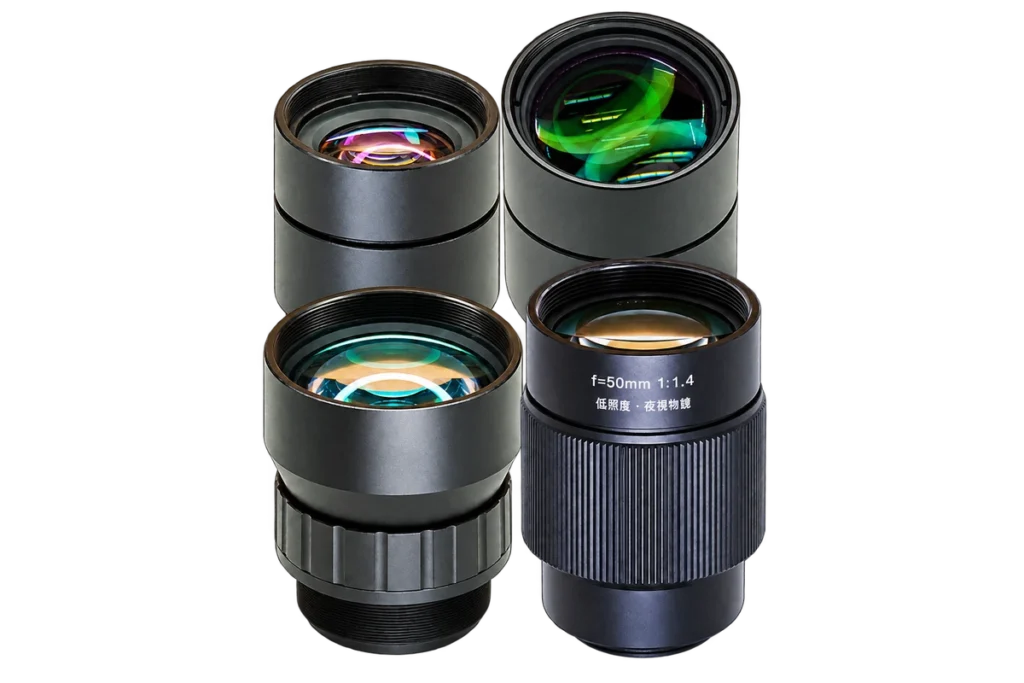
Night Vision Objective Lenses for Low-Light Imaging

Night vision objective lenses collect scene light and form an image at the input plane of a compatible night vision system. Compare focal length, aperture, spectral range, usable image circle and mounting geometry. SUPERIOR helps review front-end objective requirements for low-light camera integration, with sensor or image-intensifier compatibility confirmed for each selected model.

Night Vision Objective Lenses project review

Explore Night Vision Objective Lenses Models

Filter Lens Models
Required Focal Length (mm)
Mount
Mount

No rated values available.

Operating Wavelength (nm)
Sensor Format
Sensor Format

No rated values available.

Minimum Image Circle (mm)
Maximum Stated F-Number
Clear All

Select multiple options within a field to match any; different fields combine. Choices appear only when model data is entered. Unknown values do not satisfy a selected specification. Resolution ratings require confirmation against sensor and pixel conditions. Focal length, wavelength and magnification must fall within the stated model range.

0 matching models

The model catalog is being prepared. Use the lens selection checklist below to outline your requirements.

Understanding Night Vision Objective Lenses

The objective is the front-end imaging optic facing the scene. In a digital night vision camera it forms an image on a sensor; an image-intensifier system requires an objective matched to its input plane. Eyepieces serve the viewing side and belong to a separate collection.

Start with the detector input, required field of view, scene distance and operating spectrum. Review aperture and transmission alongside exposure and gain. A low f-number supports light collection but does not, by itself, establish a minimum-lux camera rating or the detail available in a scene.

Confirm the mounting reference plane, focus travel, filter and window stack, and mechanical clearance. Evaluate coverage, image detail, stray light and focus at the planned wavelengths and conditions. Visible-to-NIR focus correction and image-intensifier compatibility require model-specific confirmation.

Night Vision Objective Lenses Selection Checklist

Use project-defined inputs to prepare a selection brief. Confirm the selected model specifications and agree on test conditions before approval.

Night Vision Objective Lenses Selection Checklist
ParameterSelection inputVerification required
System coverageSensor size or intensifier inputCheck image circle and input plane.
Focal length & fieldTarget field and scene distanceVerify coverage and target detail.
Aperture & lightF-number, exposure and illuminationTest system contrast and noise.
Spectrum & filtersWavelength band and filter stackConfirm transmission and focus shift.
Mount & focusMount drawing and focus travelCheck fit, clearance and locking.
Acceptance & useImage targets and operating conditionsAgree on test limits and records.

Key Features and Advantages

  • Scene & Detector Matching

    Select focal length and usable image circle for the required scene field and detector input. Compare actual image detail at the distances and field points used in your system.

  • Aperture & Light Collection

    Review f-number together with spectral transmission, exposure and detector response. Evaluate usable contrast and noise under defined low-light conditions.

  • Spectral & Focus Compatibility

    Match the specified visible or NIR operating band to the source, filters and detector. Confirm focus shift and image quality for the wavelengths actually used.

  • Front-End OEM Integration

    Review mounting geometry, reference planes, focus travel and locking access. Confirm clearance within the enclosure and compatibility with the complete imaging path.

Manufacturing and Quality Control

Agree on the optical and mechanical acceptance criteria for your Night Vision Objective Lenses project. Request applicable drawings, test conditions and inspection evidence before approving a production configuration.

  • Optical Performance Checks

    Evaluate image detail, usable field, distortion, relative illumination and stray-light response at agreed wavelengths, apertures and scene distances. Record detector settings and illumination.

  • Mechanical & Mount Inspection

    Inspect mounting threads, reference shoulders, barrel dimensions and rear clearance against the approved interface drawing. Include the filter and detector-window stack in the fit review.

  • Assembly & Focus Verification

    Check alignment, focus travel and locking with the intended detector or a defined equivalent test setup. Repeat agreed focus and image checks under project-specific operating conditions.

  • Final Inspection & Traceability

    Review appearance, model identification, approved specification revision and protective packaging against agreed requirements. Request applicable inspection records and batch identification before shipment release.

Technical Reference for Night Vision Objective Lenses

Use this technical reference alongside model-specific specifications and your project test plan. It does not establish certification or performance of a SUPERIOR product.

Night Vision Objective Lenses Applications

Define the imaging or optical task and validate the complete system under representative conditions.

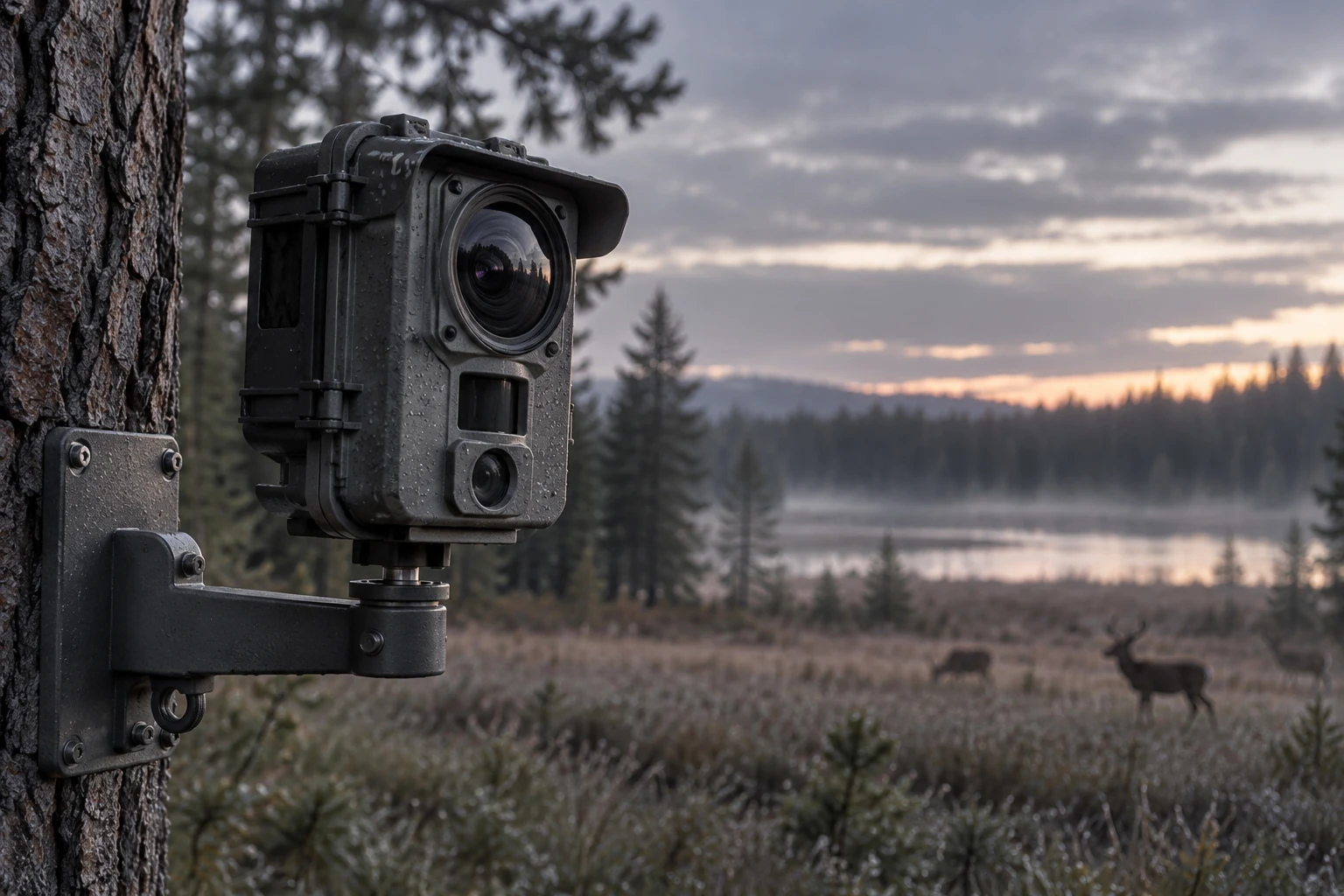
Illustrative wildlife & outdoor monitoring scene for night vision objective evaluation

Wildlife & Outdoor Monitoring

Match the objective to the field, scene distance and illumination used in a civilian wildlife observation system. Review enclosure clearance and evaluate focus, stray light and image detail in representative outdoor conditions.

Discuss Your Application

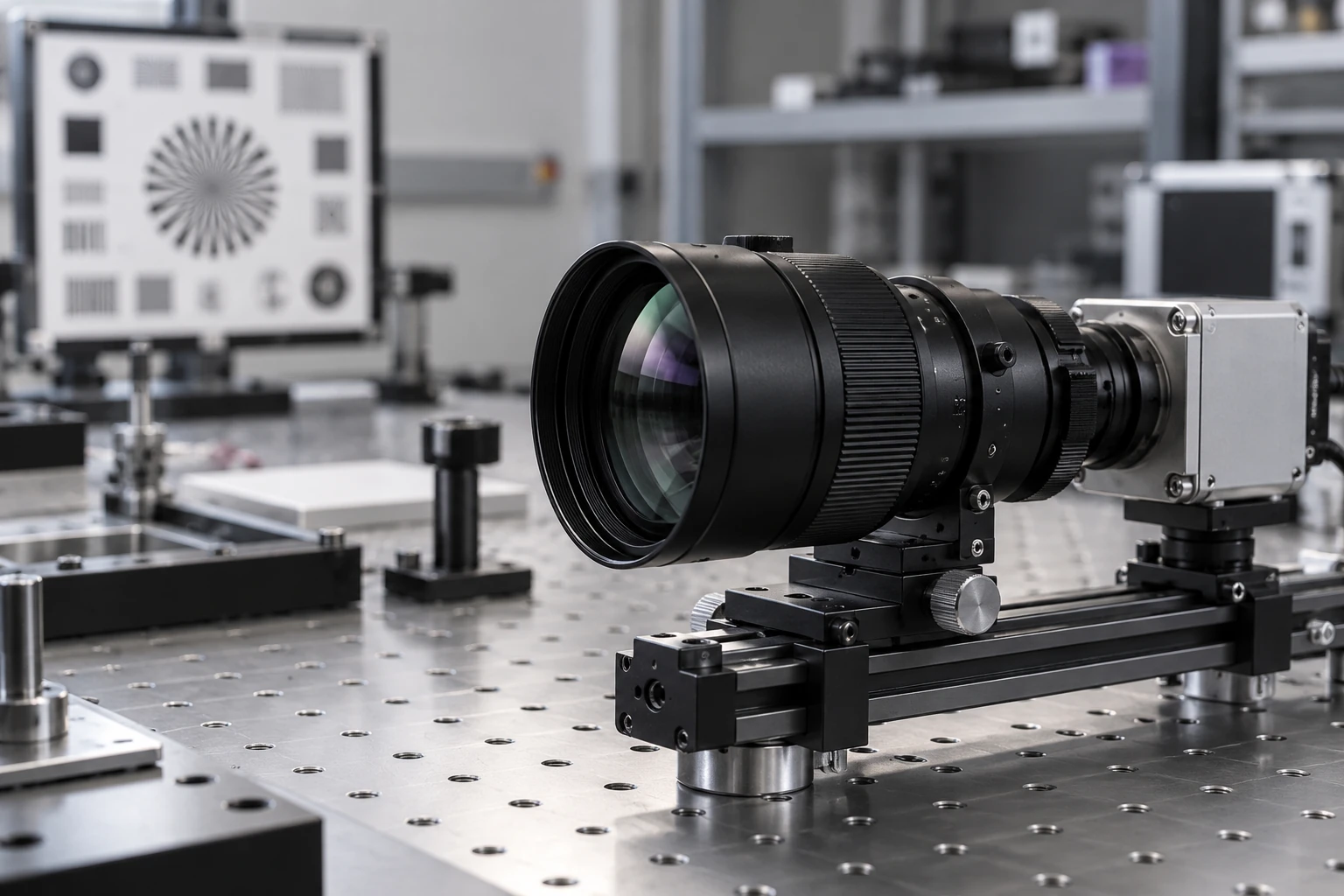
Illustrative application scenes (AI-generated).

Related Products & Engineering Support

Explore objective lenses, selection guides and OEM support for your night vision project.

BUYER QUESTIONS

Frequently Asked Questions

Selection and project review questions for Night Vision Objective Lenses.

What is a night vision objective lens?

It is the scene-facing front-end lens that collects light and forms an image at the input plane of a compatible night vision imaging system. It is distinct from the eyepiece used to view an intermediate image or display.

Can the same objective be used with a digital sensor and an image intensifier?

Compatibility must be checked separately. Active area, input-plane position, windows, spectral response and mechanical interfaces can differ. A camera mount or night vision label does not establish image-intensifier compatibility.

Does a low f-number guarantee an ultra-low-lux camera?

No. Camera sensitivity also depends on detector response, exposure time, gain, spectral transmission, scene illumination and the required image quality. Define and test the complete system before stating a minimum-lux value.

Are all night vision objectives IR-corrected?

No. Transmission within a near-infrared band does not establish common focus between visible and NIR operation. Confirm the illumination wavelengths and request focus-shift or image-quality evidence for the selected model.

Can SUPERIOR review an OEM night vision objective project?

Send the optical targets, detector or intensifier input specification, spectral band, mounting drawing and environmental conditions. Request a feasibility review, sample evaluation plan and quotation; custom scope is confirmed for the project.

PROJECT INQUIRY

Request an Optical Project Review

Send your detector or image-intensifier input specification, target field of view, scene distance, operating wavelength, illumination conditions and mounting drawing. Include image-detail targets, sample quantity and expected production volume for a model-specific review.

Prepare Your Lens Inquiry

Include a model number or the information currently available:

  • Application and sensor details
  • Field of view, working distance and wavelength
  • Sample quantity or expected annual volume
  • Delivery destination and preferred schedule
Contact SUPERIOR

You do not need a complete optical specification to start. Send the information currently available, along with your delivery destination and preferred schedule.