


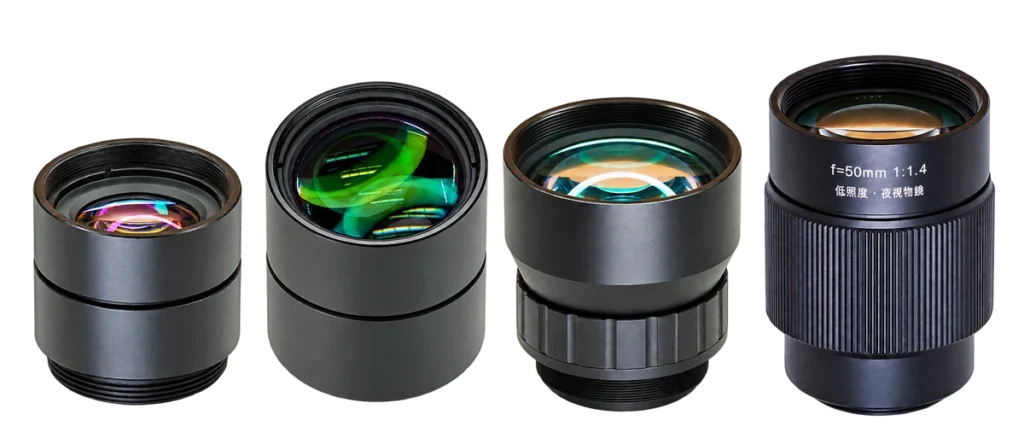
Night Vision Objective Lenses
Review scene-facing objectives by focal length, aperture, spectrum and compatibility with a defined night vision detector or intensifier system.
Compare Objective ModelsSUPERIOR OPTICS / CATEGORY
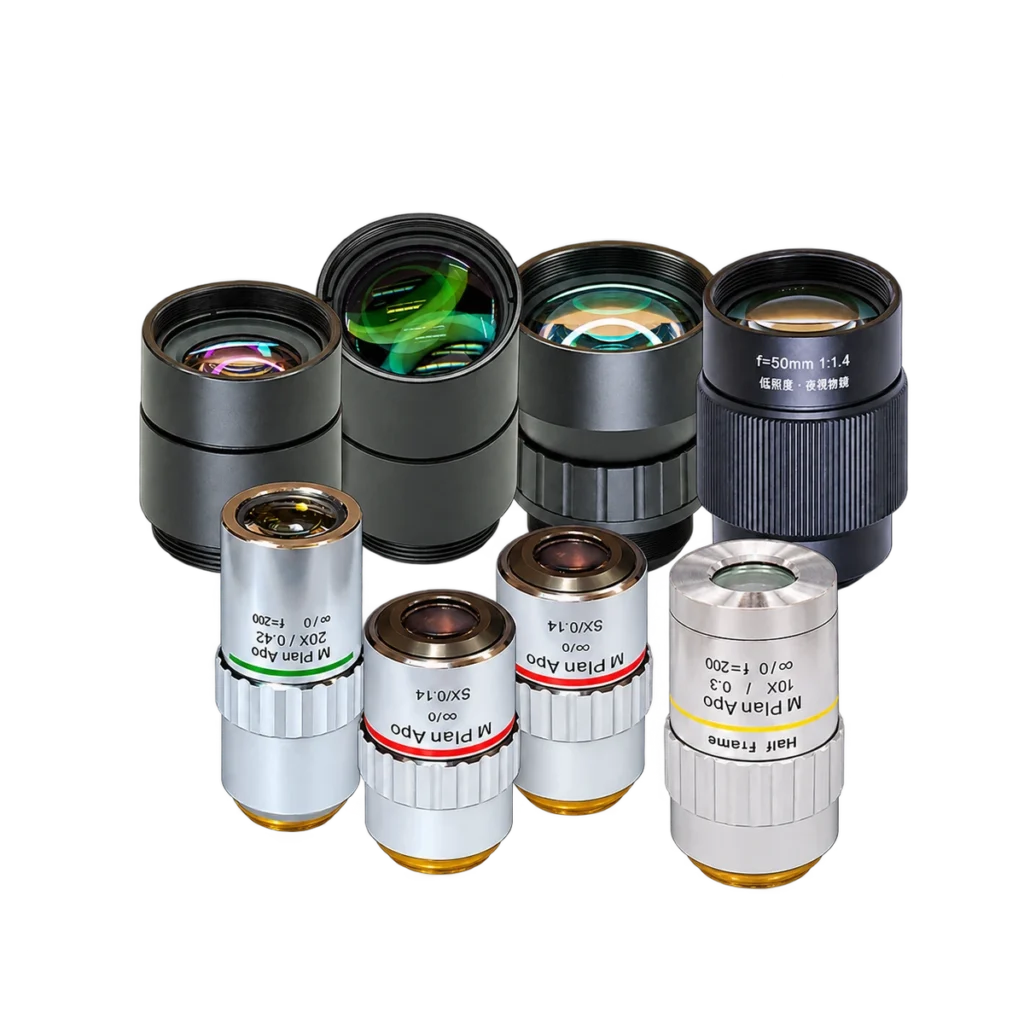
Objective lenses collect light from a scene or specimen and form an image within an optical system. Explore night vision objective lenses and microscope objective lenses by application, field coverage, aperture and working geometry. SUPERIOR helps review detector or tube-system compatibility, mechanical interfaces and model-specific evaluation requirements for OEM integration.
Review scene-facing objectives by focal length, aperture, spectrum and compatibility with a defined night vision detector or intensifier system.
Compare Objective Models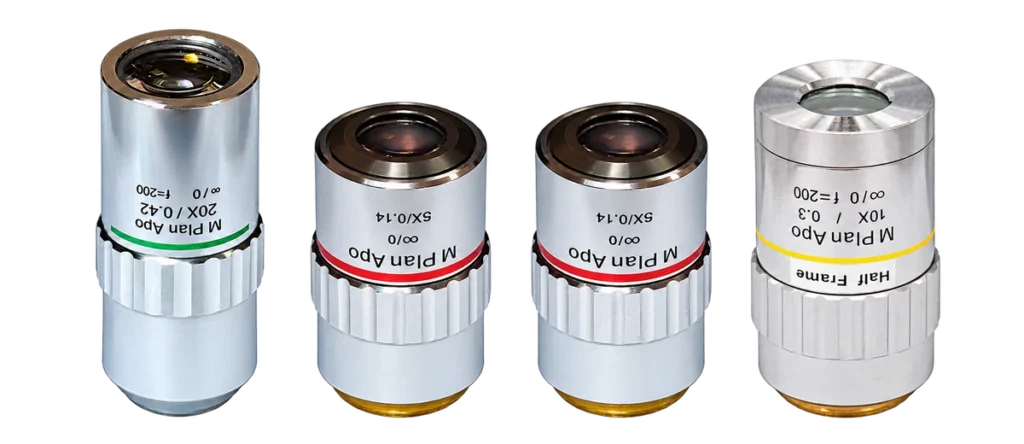
Review specimen-facing objectives by magnification, numerical aperture, working distance and microscope tube-system compatibility.
Explore Microscope ObjectivesCompare confirmed night vision and microscope objective models. Select the appropriate product group and review system-specific data.
0 matching models
The model catalog is being prepared. Use the lens selection checklist below to outline your requirements.
Objective lenses are the scene-facing or specimen-facing imaging optics in an instrument. This collection groups Night Vision Objective Lenses and Microscope Objective Lenses, while Eyepiece Lenses remain a separate collection for the viewing side of a system.
For night vision, review focal length, f-number, spectral range and compatibility with the selected sensor or image intensifier. For microscopy, review magnification, numerical aperture, working distance and the finite or infinity-corrected tube system. These groups use different selection conventions and are not interchangeable.
Continue to the Microscope Objective Lenses page for detailed microscopy selection. Plan achromatic, plan apochromatic and long working distance attributes should be offered only where real model data supports them. Select published models below or send the complete system requirements for an engineering review.
Use project-defined inputs to prepare a selection brief. Confirm the selected model specifications and agree on test conditions before approval.
| Parameter | Selection input | Verification required |
|---|---|---|
| Product group | Night vision or microscope objective | Match the objective to its actual instrument and imaging path. |
| System interface | Sensor or intensifier; finite or infinity-corrected microscope | Confirm image plane, tube lens and any supporting optics. |
| Image scale & field | Focal length or magnification and required coverage | Evaluate usable field with the specified detector or relay. |
| Aperture | f-number or numerical aperture, as applicable | Use the correct metric and test conditions for each group. |
| Working geometry | Object distance, working distance and reference planes | Check sample clearance and focus travel in the complete system. |
| Spectrum & validation | Operating band, image detail and distortion targets | Request model-specific evidence under agreed conditions. |
Compare night vision objectives and microscope objectives within their own system requirements. Keep eyepiece selection in the separate Eyepiece Lenses collection.
Review f-number and detector coverage for night vision designs, or numerical aperture, magnification and corrected field for microscopy. Use the metric appropriate to the actual optical system.
Match the operating spectrum and image plane to the detector or intensifier. For microscope objectives, confirm finite or infinity-corrected operation and the required tube optics.
Review reference shoulders, mounting interfaces, focus travel and available clearance. Evaluate the objective within its intended instrument before accepting the configuration.
Agree on the optical and mechanical acceptance criteria for your Objective Lenses project. Request applicable drawings, test conditions and inspection evidence before approving a production configuration.
Measure image detail, field coverage, image scale and applicable spectral performance using the agreed detector or microscope system. Record the aperture, wavelength and test geometry.
Inspect mounting threads, reference shoulders, barrel dimensions and clearance against the approved drawing. Confirm the image-plane or tube-system interface.
Verify alignment and focus with the required sensor, intensifier-compatible test setup or tube lens. Assess representative targets across the agreed field and distance range.
Review appearance, model identification, approved specification revision and protective packaging against agreed requirements. Request applicable inspection records and batch identification before shipment release.
Use objective-system references to define the optical path, magnification, aperture and supporting optics. Compare those principles with the selected model data sheet and actual detector or microscope configuration.
Define the imaging or optical task and validate the complete system under representative conditions.
Review objective focal length, aperture and spectral requirements for a compatible night vision imaging system. Match the image plane and coverage to the selected detector, then evaluate scene detail under defined illumination.
Discuss Night Vision Optics
Select microscope objective magnification, numerical aperture and working distance for the specimen. Confirm tube-system compatibility, illumination and sample clearance, then evaluate useful field and image detail.
Discuss Microscope Objectives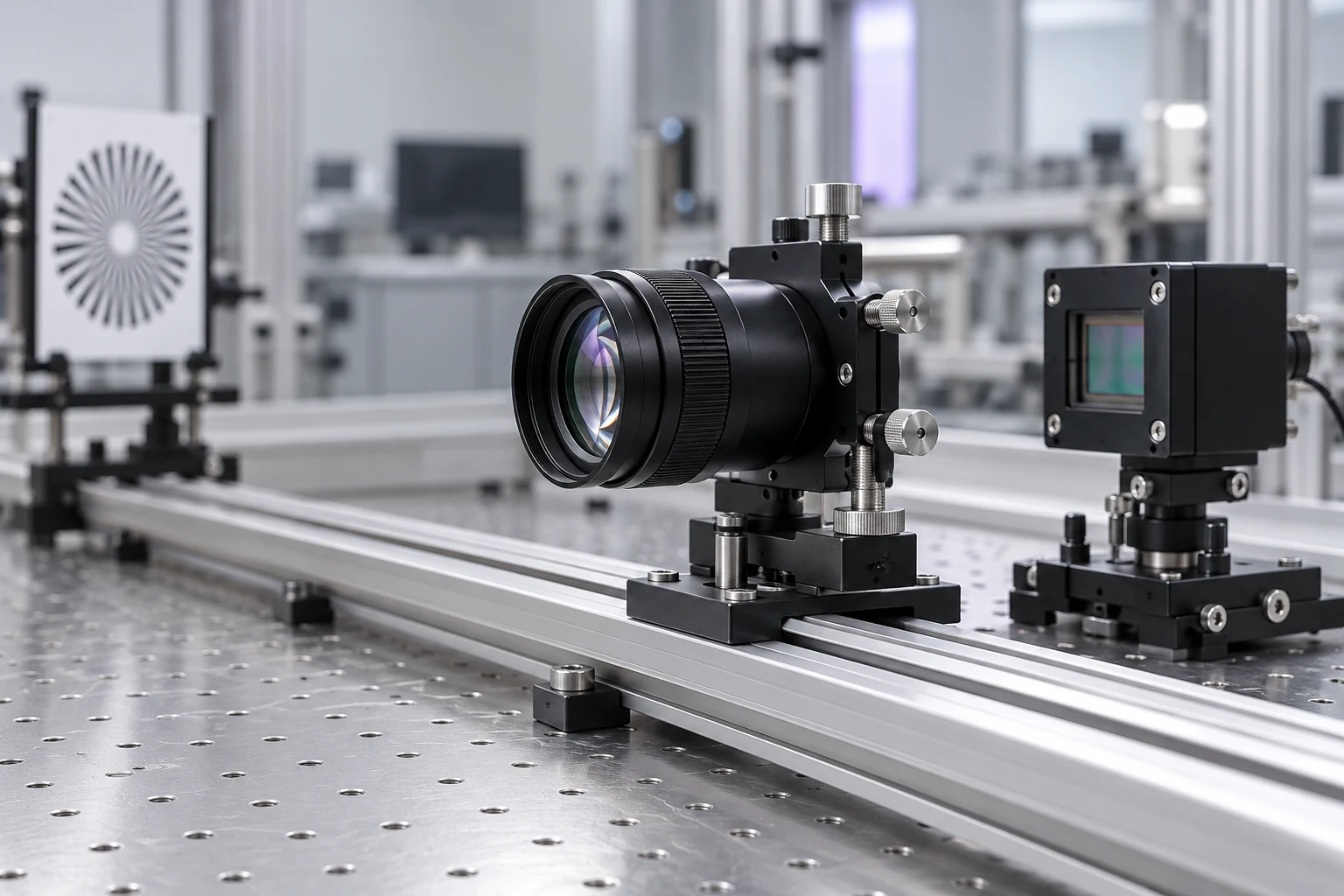
Integrate an objective into a defined imaging path with suitable mounts and supporting optics. Review reference planes, focus access and alignment, then validate representative targets in the complete assembly.
Discuss Objective IntegrationIllustrative application scenes (AI-generated).
Explore objective lenses, selection guides and OEM support for your night vision project.
Continue the application review with this related product or engineering category.
ExploreReview optical-system compatibility, aperture, field and working geometry before choosing an objective.
Read Selection GuidesDiscuss optical targets, mechanical interfaces, prototype evaluation and production requirements.
Discuss OEM / ODMBUYER QUESTIONS
Selection and project review questions for Objective Lenses.
This parent collection groups night vision objective lenses and microscope objective lenses. Choose the application group first, then compare the specifications of real published models.
No. Their imaging geometry, aperture specifications, spectral requirements and mechanical interfaces differ. Confirm compatibility with the actual detector, image intensifier or microscope tube system.
Eyepieces are a separate product family. The objective receives light from the scene or specimen; the eyepiece presents an intermediate image or display for viewing.
Plan achromatic, plan apochromatic and long working distance groupings should be offered when actual models and supporting performance data are available. Working distance and correction class describe different attributes.
Send the intended system, detector or tube-lens details, field, image scale, operating wavelength, working geometry and interface drawing. Include representative targets and acceptance requirements.
PROJECT INQUIRY
Send your objective group, imaging-system details, required field, aperture, working geometry and mounting drawing. Request model selection support and a project-specific evaluation plan.
Include a model number or the information currently available:
You do not need a complete optical specification to start. Send the information currently available, along with your delivery destination and preferred schedule.